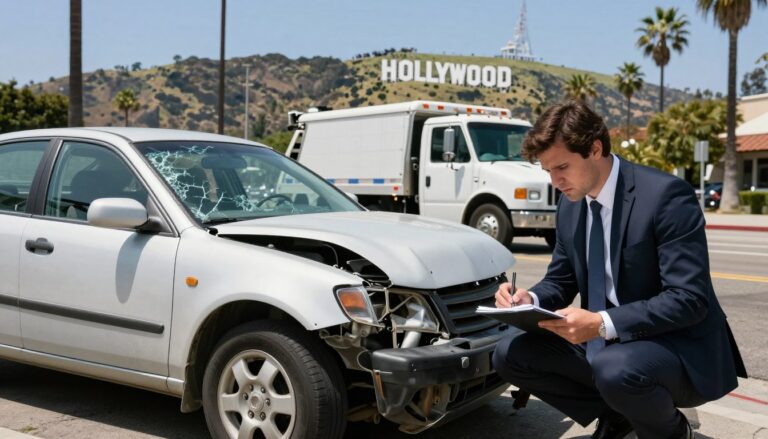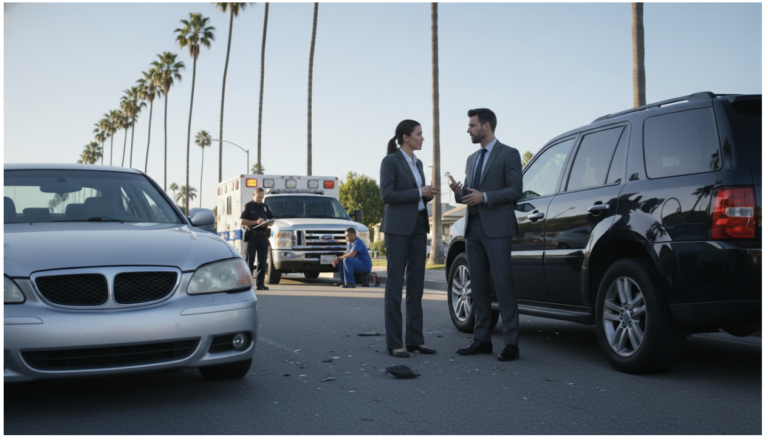
Research shows nearly 17,000 collisions happen daily across our nation. That impact creates instant panic and leaves drivers feeling completely lost. If metal crunches on Lankershim Boulevard, the chaos feels overwhelming immediately. Confusion strikes fast, making people forget basic safety measures in the heat of the moment. Click the link to learn more about the daily amount of collisions we have per day.
Our team has supported many neighbors throughout the los angeles area. We understand how your heart races when things go wrong on the road. Staying calm is hard when you are unsure which steps come next. We provide clarity during these stressful times based on years of shop experience.
This guide explains the process following any car accident. We focus on protecting your well-being and ensuring your vehicle receives proper care. Your choices during these first minutes will affect your insurance claim and repair quality. Let us walk you through the essential actions for recovery in North Hollywood.
Key Takeaways
- Prioritize safety and move away from traffic.
- Contact local police to file an official report.
- Exchange information with every driver involved.
- Take photos of all damage and the surrounding scene.
- Seek medical evaluation for any potential injuries.
- Choose a trusted collision center for expert repairs.
Understanding the Shock and Confusion After a Car Accident in North Hollywood
Most drivers rarely think about a crash until they are standing on a busy street like Vineland Avenue. Even a minor fender bender can leave you feeling completely disoriented within seconds.
If a car accident happens suddenly in North Hollywood, the overwhelming noise and traffic can cloud your judgment. Your body reacts with a massive spike in adrenaline almost instantly.
This biological surge often hides physical injuries and makes you feel fine when you might be hurt. We often see this reaction in customers who visit our shop shortly after an accident.
“During those first few minutes, your brain prioritizes survival over logical assessment, which is why a checklist is your best friend.”
They often arrive with shaking hands or keep repeating the same details about the scene. This isn’t a sign of weakness; it is simply your nervous system entering survival mode.
| Aspect | Immediate Reaction | Professional Advice |
|---|---|---|
| Physical | Adrenaline Surge | Check for Pain Later |
| Mental | Confusion | Follow a Checklist |
| Vehicle | Overlooked Damage | Get a Professional Look |
Whether you were clipped merging onto the 101 or hit at a stoplight, your body doesn’t distinguish the severity of the accident. Now is not the time to guess if you or your vehicle are truly okay.
- Adrenaline spikes mask pain for several hours after the initial impact.
- Stress makes it very difficult to spot subtle or structural vehicle damage.
- The surrounding chaos of North Hollywood traffic increases your anxiety levels.
Step 1: Check for Injuries and Ensure Immediate Safety
We always advise our customers that the first few seconds after an accident are critical for assessing physical harm. Adrenaline often masks pain, so you must stay calm and evaluate your condition before reacting. Look for any visible injuries and try to move your limbs gently to check for hidden strain.
Assess Yourself and Your Passengers First
Perform a quick ten-second self-assessment to check for bleeding or sharp pains in your neck and back. If you feel fine, check on your passengers using the same focused approach. Look for signs of disorientation or shock that might indicate a concussion.
If someone is unconscious or unable to move, do not try to pull them from the car. The only exception is a life-threatening emergency like a vehicle fire. Moving a person with a spinal injury without professional help can cause permanent damage.
Move Vehicles Out of Traffic When Safe
North Hollywood streets like Lankershim or Burbank Boulevard are incredibly busy and pose a high risk for secondary crashes. If your vehicle still runs and there is no severe damage to the wheels, drive it to the shoulder. Moving to a parking lot or a side street helps prevent additional injuries from occurring.
Clearing the lane is the most effective way to ensure safety for everyone involved in the incident. Only move the car if it does not cause more mechanical damage or put you in the path of oncoming cars. If the car is stuck, leave it and move yourself to a secure area away from the road.
Turn On Hazard Lights and Set Up Warning Signals
Visibility is your best tool to ensure safety when you are stranded on the side of the road. Flip your hazard light switch immediately to warn other drivers that your car is stationary. This simple action helps prevent high-speed rear-end collisions in heavy traffic or morning fog.
If you have road flares or triangles in your trunk, place them at least fifty feet behind your car. Never stand in an active traffic lane to inspect the dents or take photos. We have seen many situations where a person’s safety was compromised because they stepped into the street without looking.
| Priority Level | Immediate Action | Safety Benefit |
|---|---|---|
| Highest | Assess physical injuries | Identify urgent medical needs |
| High | Clear traffic lanes | Prevents secondary accidents |
| Medium | Deploy warning signals | Protects scene safety |
Step 2: Call 911 and Report the Accident
We always tell our North Hollywood neighbors that calling the police is the best way to document the scene correctly. Even if a crash seems minor, you should not wait to call 911. It is always better to speak up early rather than guess about the severity of your situation.
When Emergency Services Are Required
You should contact an emergency dispatcher for any accident involving visible injuries or significant vehicle damage. California law requires a police report when a collision involves injury, death, or property damage exceeding $1,000.
Many people do not feel pain until hours later when the adrenaline wears off. We recommend requesting help if vehicles block traffic or if you feel unsafe at the scene. Dispatchers prefer responding to a minor scene rather than missing a serious medical crisis.
What to Tell the 911 Dispatcher
When you call 911, stay honest and keep your voice steady for the dispatcher. Clearly state your location using cross streets like the intersection of Vineland and Chandler. You can simply say, “There has been a crash at the corner of Lankershim and Magnolia, and I need to provide information.”
| Situation | Reporting Requirement | Action Needed |
|---|---|---|
| Injury or Death | Mandatory | Call 911 Immediately |
| Damage > $1,000 | Mandatory | File Police/SR-1 Report |
| Minor Fender Bender | Optional/Recommended | Call Non-Emergency Line |
The dispatcher will ask if anyone needs an ambulance. Answer based on visible injuries or any mentions of pain, even if they seem small. Do not try to guess if an injury is “bad enough” for professional care.
Why a Police Report Protects Your Rights
An official emergency response creates a neutral third-party account that insurance companies respect. We have seen insurers deny claims because drivers lacked a accident record for what looked like a simple fender bender. This document carries significant weight when you need to prove fault later.
Without this official record, you rely entirely on the other driver’s honesty. California recorded over 3,700 traffic-related deaths in 2020, highlighting the importance of proper documentation for every incident. Even if everyone is friendly, call 911 to ensure you have a legal paper trail for your protection.
Step 3: Exchange Information with All Parties Involved
Once the scene is safe, exchanging credentials becomes your primary legal responsibility. California law mandates that you share your name, address, and insurance details with the other party. We see many people forget these basics when they are understandably shaken up after a collision.
Essential Contact and Insurance Details to Collect
We tell our customers to collect specific contact information from every driver at the scene. This includes their full legal name and current phone numbers. Don’t forget to write down their home address and driver’s license number as well.
You also need their insurance company name and the policy number listed on their card. Take a clear photo of their insurance card to avoid any manual transcription errors. If you are in West Hollywood, documenting these specific details allows us to streamline your claim efficiently.
Avoid Admitting Fault or Making Statements
While you exchange this information, keep your talk short and strictly factual. Never say “I’m sorry” or “I didn’t see you” to anyone at the scene. These words can be used against you as an admission of fault during the investigation.
Provide only the required contact and insurance data as the law specifies. Let the adjusters and police decide who caused the crash based on the physical information provided later. Maintaining a professional distance protects your rights and ensures the facts speak for themselves.
Handling Uncooperative or Aggressive Drivers
Sometimes a driver might become angry or demand you admit blame immediately. If this happens, stay calm and simply say, “Let’s wait for the police report.” This approach de-escalates the tension and moves the responsibility to the authorities.
Step back to your car if things get heated or if you feel unsafe. If they refuse to share their phone numbers, note their plate and direction of travel. This avoids confusion later and helps you document a potential hit-and-run situation.
Having the correct contact information makes it much easier for our team to work with your provider. We want you to have the right contact information and insurance data to protect your financial interests.
| Required Item | What to Record | Why it is Vital |
|---|---|---|
| Personal Identity | Legal Name and Address | Ensures the party can be reached |
| Vehicle Data | Plate and Make/Model | Identifies the actual car involved |
| Policy Coverage | Carrier and Policy Number | Necessary for repair billing |
| Visual Proof | Photos of ID Cards | Prevents errors in documentation |
Step 4: Document Everything at the Accident Scene
We always tell our customers that solid documentation is their best defense after a collision. Capturing the scene immediately helps you avoid a denied claim later. Use your phone to take more photos than you think you need.
Take Comprehensive Photos from Multiple Angles
Start with wide shots of the whole accident area to show how the cars sit. This establishes the context that close-ups of damage often miss.
Then, move in close to capture specific damage on your vehicle and the others involved. Include shots of crushed bumpers and broken lights, as these details prove the impact severity to your insurance adjuster.
Record Road Conditions and Traffic Signals
Look for skid marks on the road or fluid leaks that show the point of impact. Note if the surface was wet or if a pothole caused a sudden swerve. Visible evidence of the environment helps reconstruct what happened.
Check if a traffic light is malfunctioning or if trees hide a stop sign. These environmental details often change quickly, so capture them before they are fixed.
Note Specific Location Details and Landmarks
Take a quick picture of street signs, like Lankershim Blvd and Magnolia Blvd. This confirms the exact scene of the accident for the official record. Having recognizable landmarks in your photos makes it impossible for someone to dispute the location later.
| Photo Type | Why It Matters |
|---|---|
| Wide Views | Shows car positions and lane markings. |
| License Plates | Identifies every driver involved clearly. |
| Interior Shots | Shows deployed airbags or internal damage. |
Following these steps ensures you have the proof needed to get your road to recovery started. Here are a few more tips for effective documentation:
- Take dozens of photos from every possible angle.
- Capture the final resting position of all cars before they move.
- Photograph debris like broken glass or paint chips.
- Make note of the exact time and weather conditions.
Step 5: Gather Witness Statements and Contact Information
We often see that independent witnesses are the deciding factor in insurance disputes. While you and the other driver might have conflicting stories, neutral bystanders offer an unbiased perspective. They might have noticed the other car speeding or seen a traffic light change before the impact.
How to Politely Approach Witnesses
Look around for people at bus stops, in nearby shops, or in other vehicles. Approach them calmly and ask, “Did you happen to see what happened?” Many people want to help but might be in a rush.
If they are willing to speak, thank them for their time and keep the conversation brief. Never pressure anyone who seems uncomfortable or unwilling to get involved. Some witnesses may prefer to leave, but their initial observation can still be vital.
“Independent witnesses often make the difference between a claim being accepted or disputed, providing the clarity needed for a fair resolution.”
What Information to Collect from Bystanders
You need to secure their contact details immediately before they leave the scene. Ask for their full name and a primary phone number. This information ensures that insurance adjusters can verify the facts later.
Ask them to describe what they saw in their own words while the memory is fresh. Avoid asking leading questions like “He ran the red light, right?” Instead, let them explain the event naturally. If they allow it, a quick audio recording of their statement on your phone can be incredibly helpful.
| Essential Detail | Specific Data Point | Purpose of Collection |
|---|---|---|
| Personal Name | Full First and Last Name | Identifies the individual for legal records. |
| Contact Method | Primary Number or Email | Allows for follow-up statements later. |
| Observer Location | Where they were standing | Establishes the credibility of their viewpoint. |
Step 6: Seek Medical Attention Even If You Feel Fine
We often see drivers who feel fine at the scene but suffer greatly a few days later, which is why a professional check-up is vital. After a crash, your body releases a massive surge of adrenaline. This chemical reaction can easily hide the true extent of your physical damage.
Common Hidden Injuries That Appear Hours Later
Internal injuries frequently take hours or even days to surface. You might feel a bit dazed at first but believe you are completely unscathed. However, soft tissue damage like whiplash often causes significant pain only after the initial shock wears off.
Other serious conditions include concussions or internal bleeding that show no outward signs. If you ignore these early symptoms, a minor injury can turn into a long-term health crisis. It is wise to seek medical attention even for minor bumps to stay safe.
Documenting Injuries for Future Insurance Claims
Early medical attention prevents insurance adjusters from doubting your story. Professional medical attention serves as the primary evidence for any future legal or insurance needs. Doctors provide the specific notes and X-rays required to prove the collision caused your injuries.
Without this documentation, an adjuster might argue that your pain came from a different activity. To seek medical help is to protect your future financial recovery. Getting professional medical attention ensures this link connects every injury directly to the collision date.
The 72-Hour Rule for Medical Evaluation
In the insurance world, time is of the essence. California insurers often apply a 72-hour window for victims to seek medical evaluation. If you wait longer than three days, the company may question the validity of your injury claim.
Even if you feel healthy, you should seek medical advice within this window to remain protected. You must seek medical attention to create a formal record for your files. Your health is the one thing you cannot afford to risk after an accident. Managing post-crash pain correctly starts with a doctor’s visit.
| Injury Type | Common Symptoms | Typical Onset |
|---|---|---|
| Whiplash | Neck stiffness, headaches | 12 to 48 hours |
| Concussion | Dizziness, confusion, nausea | Immediate to 24 hours |
| Soft Tissue Damage | Swelling, localized pain, bruising | 24 to 72 hours |
Step 7: Report the Accident to Your Insurance Company
Once you have handled the immediate safety concerns, we suggest that you contact your insurance company as quickly as possible. Dealing with various insurance companies after a crash can feel like a daunting chore. However, we know that taking this step is vital for a smooth recovery and a valid claim.
A timely report ensures that you meet the contractual duties of your policy. Many accidents result in complicated disputes, so starting the process early protects your interests. We are here to help you navigate these initial conversations with confidence.
Timing Your Insurance Notification Properly
We advise our customers to notify their insurance company within 24 hours of the incident. Most insurance companies now offer mobile apps or 24-hour phone lines for convenience. You do not need to have every single detail finalized to report accident events to your insurance provider.
Delaying this notification can give the company a reason to deny your coverage or delay your vehicle repairs. Even if you were not at fault, your own policy usually requires prompt notice. This step initiates the insurance claim process so you can get back on the road sooner.
What to Say and What to Avoid with Adjusters
When you speak with an adjuster from the insurance company, keep your answers short and factual. Tell them where and when the crash happened and provide the contact information you collected. Avoid admitting fault or speculating about the causes of the accidents you witnessed.
“Insurance adjusters are trained to protect the financial interests of the company, not the policyholder.”
Be truthful but concise during these calls with insurance companies. Do not give a recorded statement until you fully understand your rights and the extent of your car’s damage. Your insurance adjuster may try to offer a quick settlement before hidden mechanical issues are found.
Understanding California’s Accident Reporting Requirements
In California, you have specific legal duties that are separate from your private insurance claim. You must file an official SR-1 report with the DMV if the damage exceeds $1,000 or if anyone was injured. Failure to report accident details to the state within 10 days can lead to a license suspension.
| Requirement | Deadline | Triggering Event |
|---|---|---|
| Insurer Notification | Typically 24 Hours | Any collision or damage |
| DMV SR-1 Form | 10 Days | Damage over $1,000 or injury |
| Legal Action Filing | 2 Years | Personal injury claims |
We have seen how insurance companies may pressure drivers to settle before they visit a repair shop. Remember that you have the right to choose your repair facility and take the time needed for a full inspection. Following these state and insurance company rules keeps your case on the right track.
What To Do After a Car Accident North Hollywood: Getting Professional Collision Repair
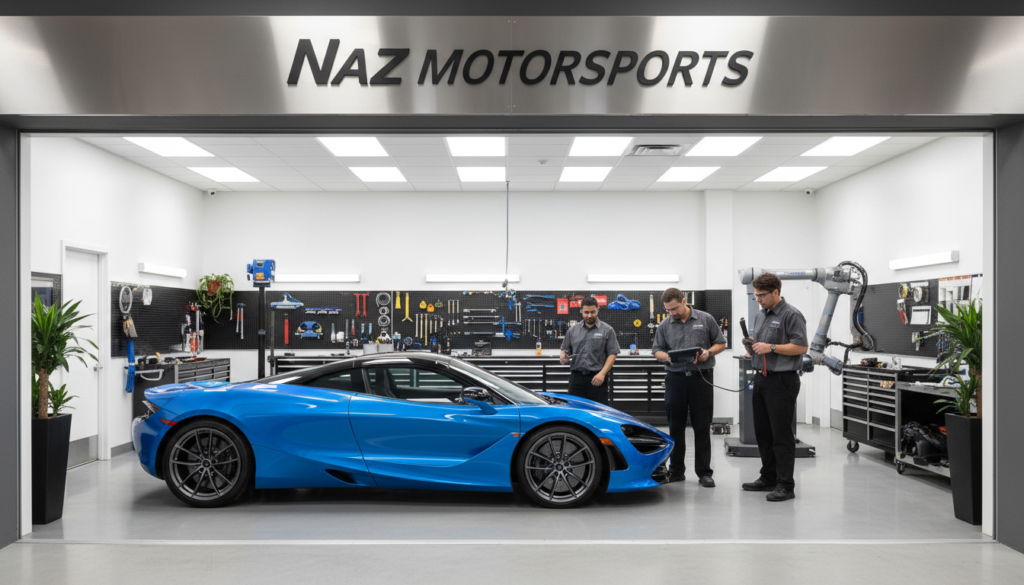
Finding a trustworthy shop for collision repair North Hollywood is the most vital step toward getting your life back to normal. Restoring your vehicle to its original condition requires more than just fixing visible dents.
You need a team that understands how to navigate the technical and administrative hurdles of a recent crash. We focus on providing clear guidance so you can make informed decisions about your safety and your property.
When to Contact Naz Motorsports for Expert Vehicle Assessment
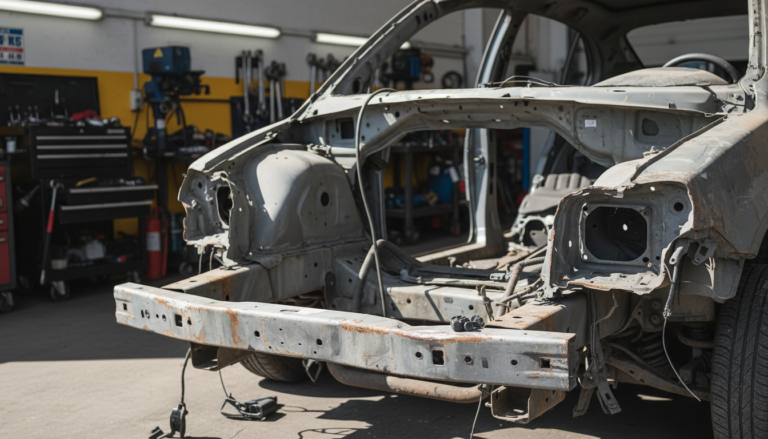
We recommend reaching out to us within the first forty-eight hours after your accident. Even if your car seems drivable, hidden frame damage or structural issues often lurk beneath the surface.
Our technicians identify safety concerns that are invisible to the untrained eye. We check your frame alignment and safety systems to ensure the vehicle is truly roadworthy again.
Understanding Repair Timelines and Insurance Claim Process
Typical timelines for minor work, like bumper replacement, usually range from three to five days. In any case involving major structural repair, the process might take two to three weeks to complete properly.
We work directly with your insurance company to handle the paperwork and approvals. Our team provides detailed written estimates, which can range from $1,500 for minor touch-ups to over $20,000 for a severe crash.
Rental Car Coverage While Your Vehicle Is in the Shop
Many insurance policies include provisions for a temporary car while yours is being serviced. We help you coordinate with rental providers to ensure you stay mobile during the repair window.
In every case, we aim to reduce your stress by managing the communication with your insurance adjuster. Our goal is a seamless restoration of your vehicle using quality parts and expert techniques.
Risks of Delaying Proper Steps After Your Accident
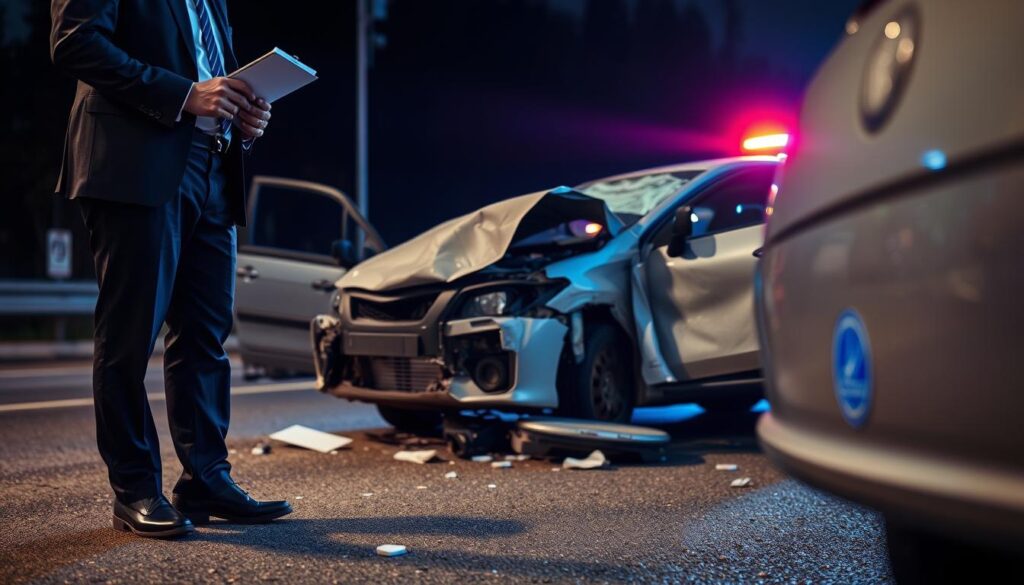
Taking immediate action might feel overwhelming, but delaying these essential steps often leads to denied claims and mounting out-of-pocket costs. We see it all the time: a driver thinks they can handle the paperwork next week, only to find their options have vanished. These delays create openings for insurance companies to question the validity of your situation.
How Delayed Medical Care Weakens Your Injury Claim
If you wait four or five days to see a doctor, you risk losing thousands of dollars in valid compensation. Insurance adjusters look for gaps in treatment to argue that your injury isn’t serious or related to the collision. They might claim that if you were truly hurt, you would have sought help immediately after the accidents occurred.
Consistent documentation is the backbone of any personal injury case. When you skip a follow-up or wait weeks for physical therapy, it suggests your pain is manageable. This lack of urgency gives the insurer a reason to reduce your settlement or deny the claim entirely.
Missing California’s Two-Year Statute of Limitations
In California, you generally have two years from the date of the car accident to file a personal injury lawsuit. While two years sounds like a long time, it passes quickly when you are focused on recovery. Evidence disappears, and memories of the accidents fade, making it harder to prove your case later.
There is also a strict 10-day DMV reporting requirement for property damage exceeding $1,000. Missing this administrative deadline can lead to a suspended driver’s license. We emphasize that personal injury claims require fresh evidence that only immediate action can provide.
Why Waiting to Repair Your Vehicle Causes Complications
Driving a damaged car often leads to secondary issues like rust, electrical failures, or uneven tire wear. When you finally bring the vehicle to a shop, the insurer may start disputes over which damage was original. They might refuse to pay for property damage that worsened due to your delay.
Waiting also makes it harder to resolve disputes regarding pre-existing wear versus new collision damage. A quick assessment of your car ensures that every scratch and dent is documented while the event is fresh. This protection is vital for receiving a fair settlement for your repairs or a total loss claim.
| Action Category | Immediate Timeline Benefit | Delayed Action Consequence |
|---|---|---|
| Medical Evaluation | Proves direct link to the crash | Claims of non-related injuries |
| Legal Filing | Preserves evidence and witness memory | Risk of missing the 2-year window |
| Vehicle Inspection | Prevents secondary mechanical failure | Insurer disputes over damage cause |
| DMV Reporting | Ensures legal compliance | Potential driver’s license suspension |
Conclusion: Moving Forward After Your North Hollywood Car Accident
An accident can leave more than just dents and scratches. It often brings frustration, stress, and total confusion to your daily life. Small actions, like calling for help and gathering names, make a big difference over time.
Even on a busy street in Los Angeles, taking a moment to write something down brings clarity later. Following specific steps after a car accident ensures you protect your safety and recovery.
“After a crash in North Hollywood, getting the right support can make all the difference.”
- Gather insurance information and witness details.
- Seek medical care within 72 hours of the collision.
- Contact Naz Motorsports for a professional car assessment.
| Timeline | Focus Area | Key Goal |
|---|---|---|
| Minutes | Safety | Check for injuries |
| Hours | Documentation | Photos of the accident |
| Days | Repair | Formal estimate |
Don’t delay these important steps. Reporting your car accident within 24 hours prevents many future complications. We are here in the Los Angeles area to help you navigate this accident with honest expertise.
Moving forward means handling immediate needs first. Then, work with professionals who understand insurance claims and quality collision repair. Every accident is manageable when you have the right team to fix your car with care.
FAQ: Common Questions About What To Do After a Car Accident in North Hollywood
You likely have several questions about the best way to handle your vehicle and legal rights now. We know that the time following a collision is stressful for any driver. Our team at Naz Motorsport wants to help you find the clarity you need to move forward safely.
Q: What should I do immediately after a car accident in North Hollywood if the other driver wants to leave without exchanging information?
If someone tries to flee an immediately car accident, do not attempt to chase them. Try to memorize or record their license plate and vehicle description immediately car. Contact the police to report the accident los incident so they can start an official investigation.
Q: How do I handle a potential medical claim?
Always visit a doctor even if you feel fine. A personal injury can stay hidden for days or even weeks. These steps take priority because medical records strengthen your case if you need to file a claim later.
Q: Does every accident los angeles event require a police report?
California law requires a report if there are injuries or damage over $1,000. For any car accident los angeles incident, a police report provides an official record of the event. This record helps when you present your details to insurance companies.
Q: Can I choose where to repair my vehicle?
You have the legal right to choose your own repair facility. We handle many car accidents and provide expert assessments for any car accident los angeles situation. We can help with the steps take toward restoring your vehicle. Navigating an accident los recovery is easier with experts by your side.
Q: How can I ensure my repair process goes smoothly?
Handling a car accident los angeles requires patience and professional support. We document every part of your case to ensure the insurance company sees the full scope of damage. From managing your personal injury documentation to fixing an immediately car accident wreck, we guide you. We focus on the steps take to get you back on the road. Our accident los experts handle the hard work for you.
| Action Step | Timeline | Primary Goal |
|---|---|---|
| Report to Police | Immediate | Legal Documentation |
| Medical Visit | Within 72 Hours | Health and Safety |
| Collision Estimate | ASAP | Vehicle Recovery |