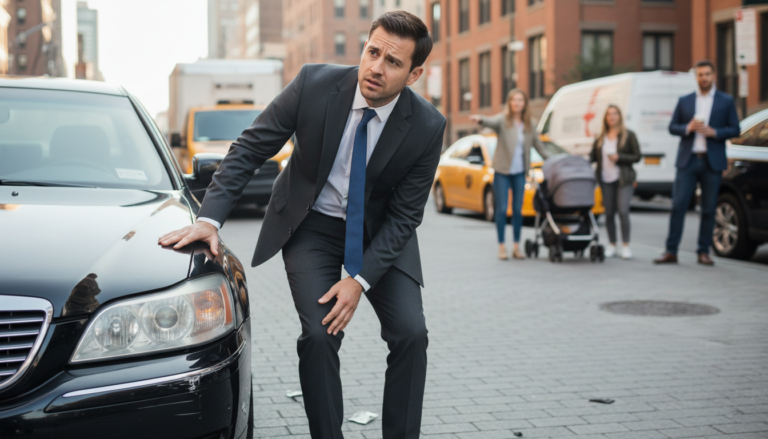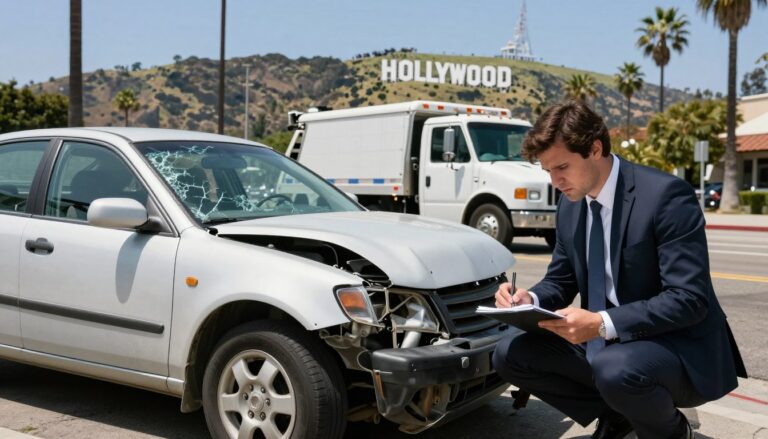
California Highway Patrol SWITRS indicated more than 216,000 injuries related crashes in 2022. A lot of time on the shoulder, looking at a car that appears to be fine. The question that many people want to ask is can you drive after accident and just arrive home?
This is what we witness each week in the shop. You are shaking, traffic is flowing, and your vehicle starts and rolls. The fact that the car is started and is in motion does not imply that it is safe to drive.
There are cases when it is possible to drive after an accident, only when the vehicle is really roadworthy. It also has to be done safely and legally by you.
It is not an easy task to drive after a car crash since the damages are not always evident. A steering change can be caused by a bent suspension part. A broken or torn bumper cover may conceal a broken absorber.
Even a minor collision will cause a change in alignment to the extent that the car will pull or chew a tire on its way home.
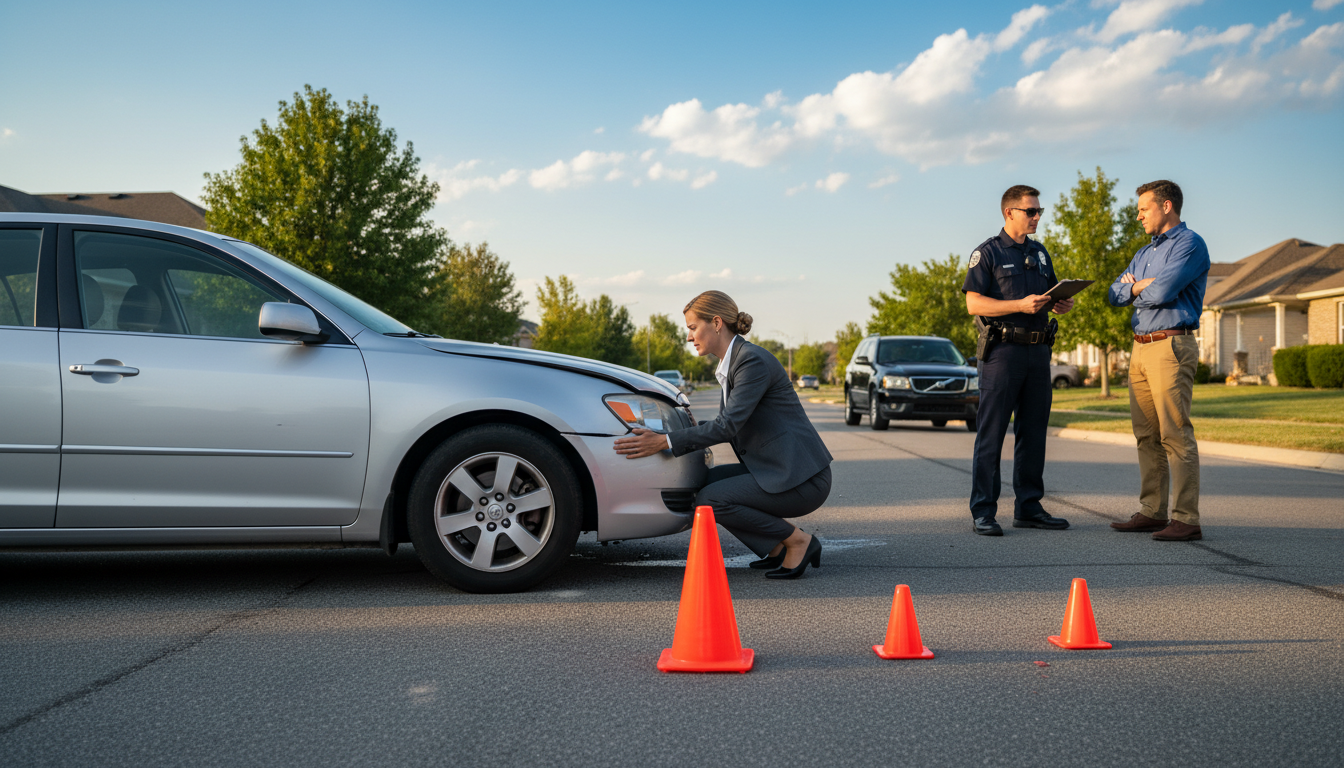
Rules matter, too. Basic equipment and safety standards are enforced by states in the U.S. California is an example of how strict it may be.
Missing mirror, broken windshield, or headlight increases safety hazards. They even may invite an equipment violation. The majority of people do not consider these details and continue to process the crash.
In this guide, we will be going through the straightforward driving rules that can be taken after an accident according to the opinion of a repair-pro. We will discuss simple safety inspections and damage necessitating a tow.
We will also describe how insurance and reporting may impact on your next step. Finally, we will explain why procrastination of repairs may be more expensive in the future. We just want to make your next important call: a confident and calm one.
Key Takeaways
- You are allowed to drive after an accident, but only when the car is safe, stable and legal to drive.
- Operating a vehicle following a car crash is dangerous as there is the possibility of concealed damage to steering, braking, and tires.
- Safety problems and legal exposure may arise due to equipment problems such as headlights, mirrors, and windshield damage.
- In case the car pulls, spills, overheats, or the airbag has gone off, prepare to have it towed.
- Obvious driving rules after an accident begin with a brief safety checkup before you decide to travel any distance.
- What you do next can be influenced by insurance and reporting steps, so you can do it early and slow down to document.
Understanding the Aftermath of an Accident
Time right after a crash is hectic, and the subsequent actions reduce risk. When customers inquire us what to do with driving after an accident, we begin with people, not with a car. The decisions you make at the scene may affect injuries, traffic hazard, and the post-incident report.
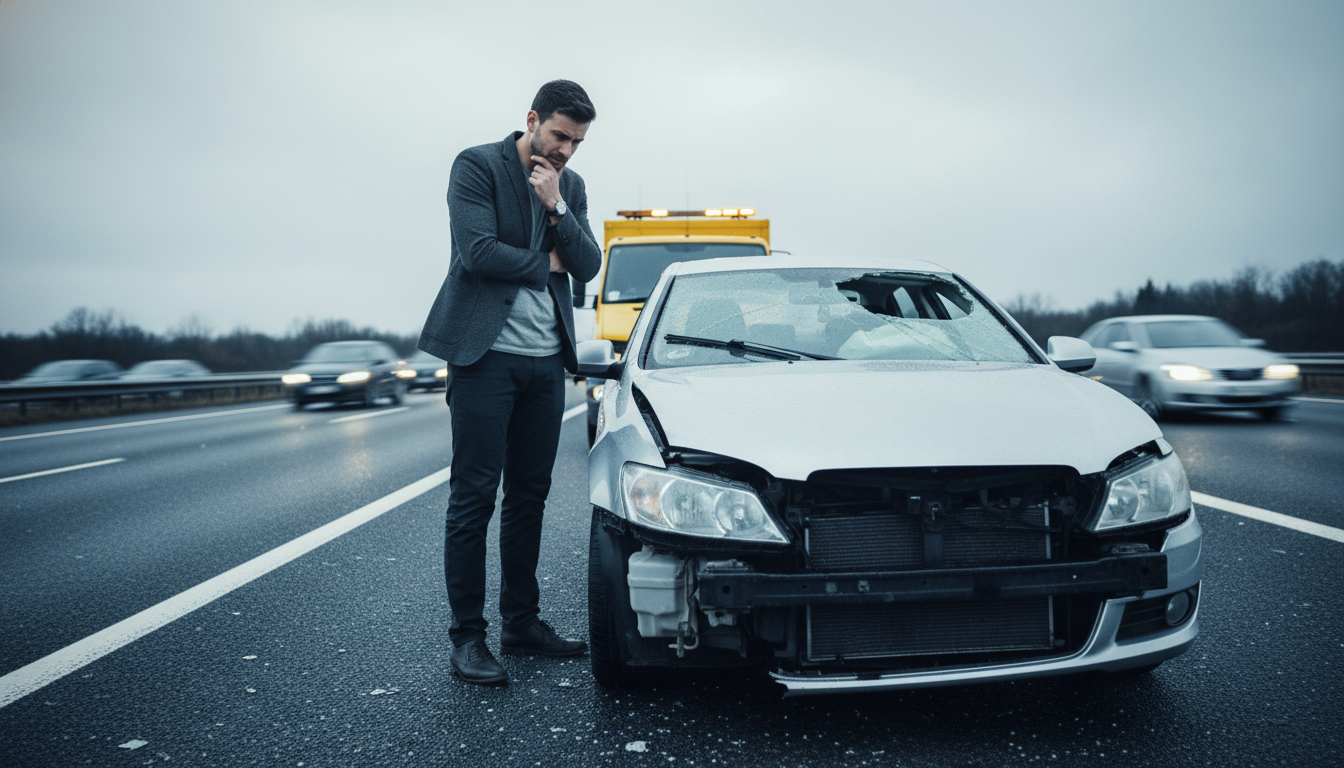
Immediate Concerns Following an Accident
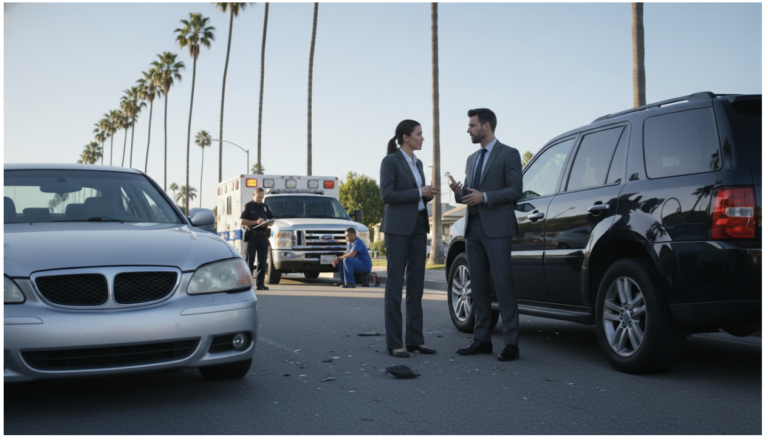
First, you need to cease. Leaving may be considered as a hit-and-run and may be severely penalized upon conviction. Dial 911 immediately in case someone is injured.
When no one is hurt, and the automobile can move, clear the road when it is safe. This not only safeguards the road when there has been a car accident but also ensures that the roads are cleared to allow emergency services.
When you find hazard lights or a collision ahead, slow down and leave the scene room so that the responders can work.
Share minimal details: driver license, car title, insurance, and address. Record the plate number and policy details and take photographs of damage and the roadway when it is fresh.
In case an animal is hurt or killed, call the police or the closest humane society. Don’t leave the animal unattended, and don’t try to move it.
In case you strike a car parked or an establishment, attempt to locate the owner. In case you are unable, drop a note with your name, phone number, and address, and report it to the law enforcement as necessary.
Assessing Your Vehicle’s Condition
Second is the bitter reality: it drives, does not imply it is safe. A collision of even low speed may utilise sensors, bend brackets or strike a wheel off course.
California and other states of the U.S. have a minimum set of equipment and safety requirements to vehicles on public roads. Lights that are broken, missing mirrors, or even weak brakes may lead to citations and liability following an accident.
Take a walk-around before you think of driving. Check lights, glass, tires, and the ground to see whether they leak. In case of anything appearing suspicious, park and have it checked.
| Quick check | What you can spot fast | Why it matters before driving |
| Headlights, brake lights, turn signals | Dim, flashing, or dead bulbs; cracked housings; fast-blinking turn signal | Visibility and communication reduce rear-end risk and help driving safety after a car wreck |
| Windshield and mirrors | Cracks in your line of sight; loose mirror; blocked view | Bad sightlines raise crash risk and can trigger a stop for equipment issues |
| Tires and wheels | Bulges, punctures, bent rim lip, steering wheel off-center | Blowouts and loss of control can happen quickly after impact damage |
| Steering and suspension feel | Pulling, shaking, clunks, unstable handling over bumps | Misalignment or bent parts can make the car unpredictable at speed |
| Fluid leaks | Puddles or wet trails; sharp smell; low reservoir level | Brake fluid, coolant, or transmission leaks can lead to sudden failure |
| Dash warnings | New warning lights after the impact, including check engine or stability control | The vehicle may be signaling a system fault that makes continued driving risky |
If the car has advanced driver assistance features, calibration is part of returning to normal braking and lane support. When repairs need sensors, glass, bumper covers, or alignment, ADAS calibration after collision ensures systems read the road correctly.
In case of doubt, after an accident, about whether to drive, consider new noises, smells, leaks, or warning lights as a stop sign. Your claim, your passengers and your safety on the road after a car crash are now guaranteed by a keen eye after a car crash.
Is It Safe to Drive After an Accident?
Immediately after an accident, the question that comes to mind is, is it possible to drive my car after an accident? It hinges on a single thing as our response. That is, whether it is damage to control, visibility or safety equipment. If any of these are damaged, the risk increases quickly.
Keep in mind, the driving rules in car accidents are also based on the fundamental road regulations. Damaging components of a car may result in another crash, and you may be guilty of operating a defective automobile. This may complicate insurance claims and driving privileges following an accident.
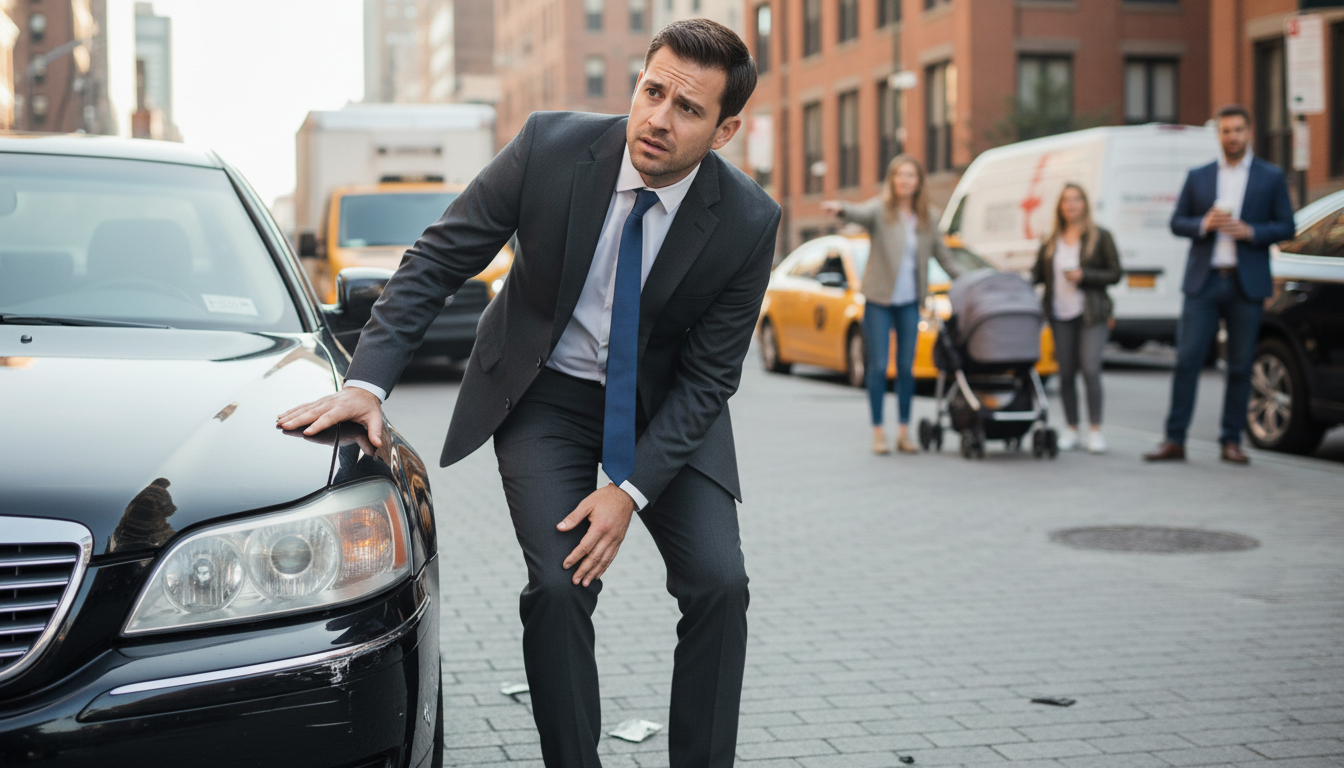
Factors to Consider Before Driving
We have a basic check: safe or not safe. When the car cannot stop straight, steer easily, maintain your visibility, then do not drive it home.
- Brakes: soft pedal, grinding, pulling, or longer stopping distance
- Steering/suspension: wandering, shaking, clunks, or off-center wheel
- Visibility: cracked windshield in your view, broken mirrors, or fogged lights
- Required lighting: headlights, brake lights, or turn signals not working
- Leaks and warnings: fuel smell, heavy leaks, or new warning lights
In case of uneven body gaps, appearance of new vibrations, or pulling of the car to one side, consider the frame or alignment changes. These issues influence management and may lead to the inability to drive in the car in case it is not safe.
| What you notice | What it can mean | Better next step |
| Car pulls, steering wheel is crooked | Alignment change, bent suspension part, shifted subframe | Limit driving; schedule an alignment and suspension check |
| Uneven panel gaps or a door that won’t close right | Possible structural movement or hinge/pillar damage | Get measured at a body shop before more miles |
| Warning lights appear after the crash | ABS, airbag, or stability control faults affecting safety systems | Scan codes and inspect before regular driving |
| Strong vibration at speed | Wheel/tire damage, bent rim, or steering component wear | Check wheels, tires, and steering; avoid highways |
| Visible fluid puddle under the car | Brake fluid, coolant, power steering, or fuel leak | Do not drive; arrange towing |
When to get a professional evaluation
When you are in doubt that the car is safe, go by the feeling. Have a post collision check-up to identify concealed problems. These could be the damage on the wheels, alignment changes, steering looseness or structural damage. These issues might not be evident when parked. When towing is safer, 24 hour towing and accident assistance can move the vehicle without extra risk.
We also listen to the condition of the driver, not only the vehicle. According to psychologist Edward Hickling, Psy.D., anxiety and additional precaution following a crash is normal. According to Kenneth Reinhard, Ph.D., these sentiments can subside in roughly a month. When you can’t concentrate or your hands tremble, this means as much as a red light when deciding whether to drive or not.
When you are comfortable driving, begin with short and comfortable journeys. Take a supportive passenger on the first occasion. Apply basic techniques such as breathing exercises or relaxing music. Don’t make a permanent fear out of a bad corner. Another way you can regain your skills and confidence is by taking a defensive driving course. Certain insurers such as GEICO can provide a defensive driver discount which depends on your policy and eligibility.
The Role of Insurance in Post-Accident Driving
Insurance is able to influence the next step, particularly when you wish to drive following the damage of a car accident. A clean claim file assists the repairs to begin earlier and maintain decisions clear.
Lack of information will lead to stalling of approvals and minor issues may escalate into major ones.
The confusion in regards to driving rules after an accident is a common occurrence. Timely notice may be mandated in your policy.
Adjusters are dependent on a straightforward, regular schedule. The less the conjecture the quicker the claim.
Navigating Insurance Claims
The quickest assertions are usually backed by strong evidence. Immediately after the accident, be sure to take extensive and narrow shots of the scene, vehicles, road, and any leaks or broken lights.
Record chronologically what occurred as you recall. In such a manner, your statement remains consistent.
California requires reporting rules which may impact your claim and your license. The DMV has a 10-day deadline to submit an SR-1 form when somebody is hurt or killed or when property is damaged (above $1,000).
This regulation extends to the private property and regardless of who caused the collision.
Law enforcement does not file the SR-1 for you. In case of injury or death, and it was not attended to at the scene, you should report to the police within 24 hours.
These can be important steps in adhering to driving regulations after an accident to prevent unnecessary delays.
We assist owners in maintaining tight paperwork and communication. It can frequently be the difference between expedited approval and weeks of back and forth.
If you need a clear repair plan tied to the claim, our insurance claim support and repair documentation helps keep the process moving without extra stress.
Understanding Coverage for Repairs
Coverage defines what is repaired, when and whether to continue driving after a car accident impact.
You should have documentation of financial responsibility in your car and be willing to hand it to the other driver in the event of a collision.
Without coverage, even before repairs are made, you may be at risk of losing your driving privileges.
California minimum liability limits are a handy point of reference that many are familiar with:
| Coverage item (California benchmark) | Minimum limit | What it may pay for | Why it matters for driving rules after an accident |
| Bodily injury per person | $30,000 | Medical bills and related losses for one injured person | Helps prevent disputes that can pause approvals and delay safe repairs |
| Bodily injury per accident | $60,000 | Combined injury costs for multiple people in the same crash | Sets expectations when several claims compete for limited coverage |
| Property damage | $15,000 | Damage to another vehicle, fence, building, or other property | Impacts how quickly your claim settles and whether repairs can start |
Rules of financial responsibility are significant too. Parents or guardians can be responsible for drivers under 18.
Drivers 18 and older are responsible for themselves. Crashing without proper coverage can suspend your California driving privileges for up to four years, no matter who was at fault.
The last three years of suspension can be reinstated. You will have to submit a California Insurance Proof Certificate (SR 22 or SR 1P) and maintain it until the necessary term.
The California Department of Insurance license status tool allows you to check the status of an insurer or agent in consumer protection.
In case of cost being a hindrance, there is also the California Low Cost Automobile Insurance Program that could help you as you make plans on repair and adhere to the driving rules after an accident.
Practical Steps to Take After an Accident
Immediately after a hit, people pose the question whether they can drive without putting their safety or that of other people at risk. We receive these questions on a weekly basis. The best option is to take your time and inspect your car before proceeding.
If you’re wondering can I drive my car after a crash, start by checking what you can see and feel. Spending a few minutes inspecting in a parking lot can prevent breakdowns, tickets, or another accident.
What to Check Before Driving Your Car
Pace around the car outside and with the lights. Check Headlights, brakelights, turn signals. Good visibility and signaling are key for safety after a wreck.
Then, inspect the windshield and mirrors to see whether there are cracks or chips and an object that may obstruct your sight. Small fractures can worsen due to road vibrations or temperature changes.
Next tire and wheels. Search surfaces of bulges, low pressure, nails or bent rims. Check pulling, shaking or steering wheel that does not center. It is an indication of alignment or suspension damage.
Check the ground before going off, fresh drips. They can indicate a leak of coolant, brake fluid, transmission fluid, or oil. Turn the engine on and observe the dashboard, there are warning lights, these lights indicate that the car should be inspected before proceeding to drive further.
During inspection, record clear photographs and the time when the symptoms occur e.g. at 35 mph when vibration is felt or when there is a burning smell at idle. This record assists in mending plans and aiding claims of insurance.
| Quick check | What it can mean | Safer next move |
| Brake light or turn signal not working | Broken lamp, damaged wiring, or impact-shifted housing | Limit driving and repair promptly to keep visibility and signaling reliable |
| Cracked windshield or mirror | Reduced sightlines and growing cracks from vibration | Replace or repair before longer trips, especially at highway speeds |
| Pulling, vibration, or wandering steering | Alignment shift, bent wheel, or suspension/steering damage | Stop driving and arrange a tow for a steering and suspension check |
| Fluid spot under the car after sitting | Leak from radiator, brake lines, oil pan, or transmission cooler | Do not drive; leaks can become sudden failures |
| Warning lights after the impact | Fault codes, sensor damage, or safety system issues | Get a scan and post-collision inspection before continued use |
Finding Collision Repair Services
When an individual enquires whether he can drive an accident, then we also question where his vehicle will go to. Select a collision repair shop which does not only paint and parts. Proper driving safety depends on post-collision examination, structural examination, steering, suspension, and safety system examination.
Insurance can recommend a favorable store, whereas, you can choose. An excellent store will leave a note of estimate and clarify that it is natural to have concealed damages after de-assembling the item. This is a typical collision work, rather than a surprise charge.
Do you still ask yourself can I drive my car after the crash and you notice it is leaking, the warning lights or the steering, plan to have the car towed rather than driving it. This option safeguards your engine, brakes, and road safety.
Risks of Delaying Repairs and Professional Help
When a crash has happened it is easy to drive a few days more and postpone the repairs. It is believed that slight body injuries are not serious.
However, there may be underlying issues, such as bent suspension components, broken mounts, or sensor problems. These may influence the tracking and braking of the car.
Here the driving limitations of car accidents and fundamental driving regulations following an accident are quick. The car might be unsafe even when it is in motion.
Brake, steering, tire, wheel, lighting, mirror, or windshield damage may make a commute a hazard. Leaks of fluids are equally severe.
The slight dripping of brake fluid, coolant, or transmission fluid can lead to a failure of the brakes, overheating of the engine, or unexpected failures in traffic. After hitting, warning lights are a definite indicator.
When there has been a crash, we consider any light that gives a warning as an indication that the vehicle should be taken to the professional for inspection before driving further.
Consequences of Driving a Damaged Vehicle
Legal and insurance issues may also ensue. Drivers will be able to receive a ticket due to equipment violation, such as a broken taillights or a broken windshield.
At night you are more difficult to see, too, because of these problems. You can end up partially at fault in the event of an accident that is occasioned by old damage.
Insurers could turn down or reduce claims when the car was not repaired and additional damage occurred during operating. This may influence course of action following an accident.
There is additional pressure on state reporting regulations. In California, e.g., in case of the crash, which reaches the threshold, you have to fill out DMV SR-1 form within 10 days.
Failure to do this may result in suspension of a license, despite the occurrence of the accident in a private property. Suspensions of up to four years can also be caused when driving without appropriate insurance, following a crash.
Depending on the case, reinstatement can be done with SR-22 or SR-1P. You only have to compare these car crash driving restrictions with the costs of quick checks to make your best decision.
Stop driving, obey post accident rules and have the car checked before it is used on a daily basis.
FAQ
Can you drive after accident if the car seems fine?
There are instances where you can drive after an accident, but this will be after you are sure the vehicle is really road worthy. You are to use it safely and lawfully. Being safe to drive and starting, as well as moving is not the same thing. Small impacts may conceal harm to braking, steering, or vision.
Can I drive my car after a crash if there’s only cosmetic damage?
Maybe, but “cosmetic” can be misleading. A bumper cover might seem to be the sole problem. The force may change the alignment, break a wheel, or a mounting point behind the wheel. In case control, visibility or equipment needed is compromised, do not drive, tow it over to an inspection.
What are the first things we should do at the scene before thinking about driving?
Remain and wait on the scene. Quitting might be regarded as runaway with harsh consequences. Dial 911 immediately in case of any injury. Assuming no one is injured and it is safe, pull the car out of the traffic. This saves risk and does not block the road.
If there’s no injury, should we move the car out of traffic in California?
Yes, if it’s safe to do so. Relocation of the vehicle minimizes the secondary crashes and maintains lanes. In other instances, California indicates that moving a vehicle can prevent impounding (VC §§22651 & 22651.05).
What information should we exchange after a collision?
Exchange driver’s license, vehicle registration, insurance information, and current address. Record license plate and policy numbers. Clear photos of all vehicles and the scene are to be taken to substantiate the claim in the future.
What are the driving rules after an accident if emergency lights are ahead?
Take your time and leave the scene room. It is advisable to avoid passing close to the crash. First responders should have space. Care is slow when traffic is blocked. This is fundamental safety information in DMV guidance in most states.
What should we do if an animal is injured or killed in the crash?
Contact police or closest humane society. Don’t leave the animal unattended. Don’t try to move an injured animal yourself. Injuries may aggravate and scared animals may bite or run into traffic.
What if we hit a parked car or damage property and can’t find the owner?
See whether you can locate the owner. Otherwise leave a note with your name, phone number and address. Thereafter call on the police. You cannot go without reporting on what occurred.
What basic roadworthiness checks should we do before driving after a car accident?
Ensure that headlights, brakes lights and turn signals are functional. Check mirrors and windshield are not broken or obstructing the view. Check tires such as bulges or punctures. After few minutes scan under the car to check fluid leakages.
Which fluid leaks mean we should stop driving immediately?
Leaks of brake fluid imply cease driving immediately. Quick overheating can be due to coolant leaks. Leaks of transmission fluid can lead to power loss or serious damages. Tow in case you can notice a puddle swelling or you can smell burning.
If the check engine light comes on after impact, can we keep driving?
Take new warning lights post crash as a message that something has changed. It could be a sensor or a more serious matter. When the light shows immediately after hitting something then get an inspection before driving further.
What damage makes a car unsafe to drive after a wreck?
Some very large red flags are engine issues with brakes, loose steering, suspension, tire or wheel punctures and massive fluid leaks. Faulty lights, mirrors or broken windshields that impair vision are hazardous. A car can travel straight at low speed but the structural damage such as a bent frame can be dangerous.
Can a broken headlight or cracked windshield create legal trouble if we drive?
Yes. Headlights, taillights, and broken windshields may pose safety hazards and result in equipment-violation tickets. They increase the liability in the event that they influence visibility or signaling in another crash.
What are common car accident driving restrictions in California that other states often mirror?
The state of California sets minimum expectations of vehicles on the public roads in terms of safety and equipment requirements. You risk liability and enforcement in case vital equipment is damaged such lights, mirrors, brakes, and windows. There are numerous states that have similar laws using different words.
How do we decide between driving to a shop vs. towing after an accident?
In case of doubt, roadworthiness, towing is the best and less stressful. Tow in case you have warning lights, leaking fluids, broken lights, cracks in your windshield or unstable steering. Any tug, shaking or uncontrollability implies tow it.
Why get a post-collision inspection if the car still drives?
It may seem normal to drive after an accident, but the problems emerge subsequently. Other defects such as shift of the alignment, curved suspension components or structural problems tend to reveal themselves only with scrutiny. These problems are discovered with an inspection.
Can driving a damaged car make insurance and liability worse?
Yes. You can experience shared fault claims in the event of damage resulting in another crash. The claims can be denied or restricted by insurers in a case of damage aggravated due to failure to stop driving without repair.
What should we document right away to protect an insurance claim?
Record photographs in the scene and at a later time in daylight. Record the entire incident as soon as it occurs. Record when such symptoms as pulling, warning lights, or leaks began. Adjusters can be in need of a strict schedule.
What is California’s SR-1, and does it affect driving privileges after an accident?
SR-1 (Report of Traffic Accident Occurring in California) should be submitted by DMV within 10 days in case of an injury, death or damage of property exceeding 1,000 dollars. This is even on the personal premises. Failure to file may result in suspension of license. This is not filed by law enforcement.
When do we have to report an injury crash to law enforcement in California?
In case someone is harmed or killed and it was not managed at the place, California is obliged to report within 24 hours. In case of doubt, report. Failure to deliver on time leads to unnecessary legal issues.
Do we have to carry and show proof of insurance after a collision?
Yes. When driving, you are required to carry evidence of insurance and present it in case of an accident. The absence of evidence may make the claims complicated and impose additional fines based on the circumstance.
What are California’s minimum liability limits, and why do they matter after a crash?
The minimums in California are $30,000 in case of injury or death of an individual, 60,000 in case of more than one individual and $15,000 in case of property damage. Severe damages and fixes are more expensive. Minimums can cost you additional out of pocket.
Can our license be suspended for driving without insurance after an accident?
Yes. California Driving without insurance post-crash suspension: In California, post-crash driving can be suspended up to four years. Fault doesn’t matter. You can reinstate through the submission of proof of insurance (SR 22/SR 1P) and maintaining it during the necessary period.
How can we verify an insurance company or agent is legitimate in California?
Use the California Department of Insurance license status tool at insurance.ca.gov/license-status/. This helps avoid bad paperwork and coverage surprises when you need help most.
Is there an affordable insurance option in California if cost is the problem?
Yes. The California Low Cost Automobile Insurance Program offers options for eligible drivers. Find details at mylowcostauto.com or call 1-866-602-8861.
What is a simple walkaround checklist we can follow before driving guidelines post-accident?
Check all lights, windshield and mirrors to ensure they can be seen safely, check tires and wheels to be undamaged. Check beneath the car to see whether there are leaks. The initial couple of feet, pay attention to steering feel. Stop driving is called pulling, vibration, or wandering. Do not see whether or not it gets better
Can we choose our own collision repair shop, or does insurance decide?
You are allowed to choose your repair shop. Insurers can recommend vendors of choice, but can not compel you. Select a shop where they can carry out post-collision repairs, structural appraisals, and suspension appraisals, but not cosmetic repairs.
Why does the repair estimate change after teardown, and is that normal?
It’s common. First estimates are on visible damage. Then there are the hidden damages that are added by the way of “supplements” that can be detected after disassembly. This is typical of appropriate repair planning following impact.
What are the consequences of driving a damaged vehicle for a few days?
The brakes, steering, suspension, tires, lights, mirrors, and the windshield visibility are damaged which increases safety risks. The leaks of fluids may lead to the brake failure, overheating, or failure. The postponement of repairs may undermine insurance claims and negatively affect credibility in the dispute.
How common are injury crashes, and why does that matter for “minor” accidents?
In 2022, there were more than 216,000 crashes with injuries in California (California Highway Patrol SWITRS). This demonstrates that even “minor” collisions might have serious consequences. Unseen harm may befall the control or visibility, which may influence the safety of driving post-wreck.
What if we’re too shaken up to drive even if the car is technically drivable?
That’s normal. According to psychologist Edward Hickling, Psy.D., crashes have a psychological impact on you and anxiety is a typical response. According to Kenneth Reinhard, Ph.D., these reactions frequently calm down in a month or so. When you are not steady, get someone to drive you or wait till it is calm.
What’s a safe way to start driving again after a crash?
Start with minor, comfortable journeys and think of a supportive passenger. Apply basic stress relievers such as deep breathing or relaxing music. Never be able to avoid the crash area permanently: Hickling remarks that avoidance may extend the anxious period.
Are defensive driving courses worth it after an accident?
They are able to develop confidence through educating about hazard recognition and safer following habits. Other insurers such as GEICO can provide discounts based on your state, policy and eligibility.
What should we do about driving after an accident if we’re not sure the car is legal to operate?
In doubt leave it. Post-accident driving regulations are geared towards roadworthiness: safe control, clear visibility, and operational equipment. In case of any doubt, tow it and have a professional inspect it and then drive again.