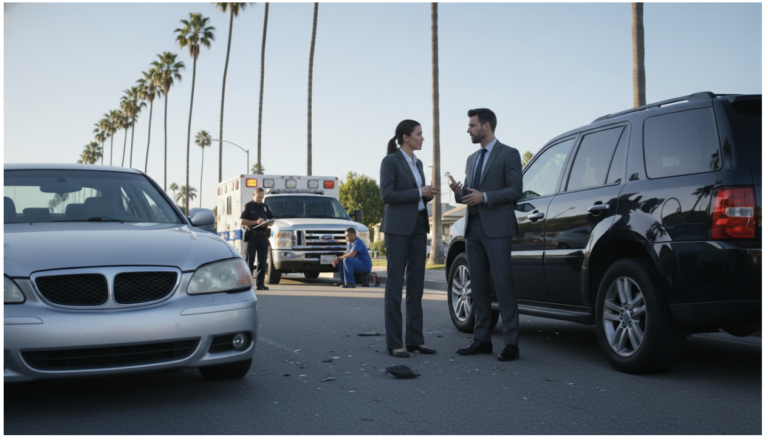
You should repair collision damage as soon as possible, even if it looks minor. In California, small accidents often hide deeper issues that can affect safety, performance, and long-term costs if left untreated.
Most drivers will experience a collision at some point. Many accidents look minor at first, but even small dents or scratches can hide deeper issues that affect how your vehicle performs and protects you.
At Naz Motorsport, we see this often across California. A bumper may look fine, but internal brackets, sensor mounts, or impact absorbers behind it may be bent or cracked. Even a low-speed impact can shift components by a few millimeters, which is enough to affect alignment, sensor accuracy, and safety systems. Modern vehicles rely on precise calibration of cameras, radar, and structural geometry. Delaying repairs can impact braking response, steering stability, and the timing of safety features like airbags.
If your vehicle needs ADAS calibration after a collision, that step is part of a safe, complete repair. It’s not an add-on.
Getting your vehicle inspected early is the best way to avoid hidden damage, higher repair costs, and longer downtime.
Key Takeaways
- Small collision damage can hide serious internal issues like misalignment or sensor damage
- Delaying repairs can affect safety systems such as braking assist and lane monitoring
- Broken paint exposes metal to moisture, leading to rust and corrosion
- Early inspection helps reduce repair time, cost, and insurance complications
- Proper repairs include alignment checks, structural inspection, and system recalibration
Why You Shouldn’t Delay Collision Repairs in California
After an accident, it’s easy to ignore minor damage. However, what you don’t see can become a bigger problem quickly.
Hidden Damage Happens Fast
Even small impacts can cause:
- Bent bumper reinforcements or brackets
- Misaligned panels that affect aerodynamics and sealing
- Shifted ADAS sensors (radar, cameras, parking sensors)
- Suspension or steering component stress
Deeper Insight: Modern vehicles are designed with crumple zones that absorb impact energy. Even a minor hit can partially compress these zones. Once compromised, they may not protect you properly in a future collision.
Safety Systems Can Be Affected
Modern vehicles in California depend on advanced systems such as:
- Forward collision warning
- Lane departure assist
- Blind-spot monitoring
- Adaptive cruise control
- Airbag deployment sensors
Even slight misalignment can cause these systems to fail or behave unpredictably.
Immediate Consequences of Collision Damage
What you don’t see can hurt you first. Behind a scuffed cover, bumper reinforcements may bend. Impact zones can weaken, and internal panels can have stress fractures.
Sensors for airbags can shift, changing how the system reads a hit. Even a small change in alignment affects how the car tracks. You may notice pulling, off-center steering, or uneven tire wear.
These are safety issues, not just comfort problems. Braking and stability depend on the chassis staying true. ADAS trouble can appear fast, too.
Lane departure warnings, backup cameras, and blind-spot monitoring rely on precise sensor aim. If a sensor is damaged behind a cracked bumper or dented quarter panel, you can get false or no alerts. Avoiding this helps prevent collision repair pitfalls later.
Side Barrier Crash Test Scenario. Read more
What Happens If You Wait
Delaying repairs can lead to more serious issues over time, both mechanically and financially.
Short-Term Problems
- Steering wheel off-center or vehicle pulling
- Uneven tire wear
- Dashboard warning lights
- Vibrations at higher speeds
Long-Term Damage
- Rust and corrosion from exposed metal
- Water leaks and wind noise
- Electrical issues from moisture
- Increased repair costs
- Lower resale value
For drivers wanting to minimize collision repair damages with clear expectations, we suggest details on fleet collision services. The same inspection and planning habits apply to personal vehicles.
Unique Insight: In coastal California areas, salt in the air accelerates corrosion. This means even small paint damage can spread faster compared to inland regions.
Understanding Collision Repair Timelines
After a crash, the first question we hear is, “How long will this take?” Timing depends on what the impact did under the surface. Collision repair best practices help set expectations and keep the process moving.
When you act early, we can focus on visible damage and protect what you can’t see. Small issues are less likely to spread into rust, broken clips, or cracked coatings. This is one of the simplest collision repair prevention strategies.
How Long Do Repairs Typically Take?
Minor cosmetic work usually moves fastest. Small dents may qualify for paintless dent repair (PDR). Light scuffs or chips can be fixed before moisture gets under the paint.
More involved damage takes longer. Rust remediation, panel replacement, and structural fixes add steps like measuring, parts ordering, welding, and refinishing. We slow down to do each step properly, avoiding shortcuts that cause more damage.
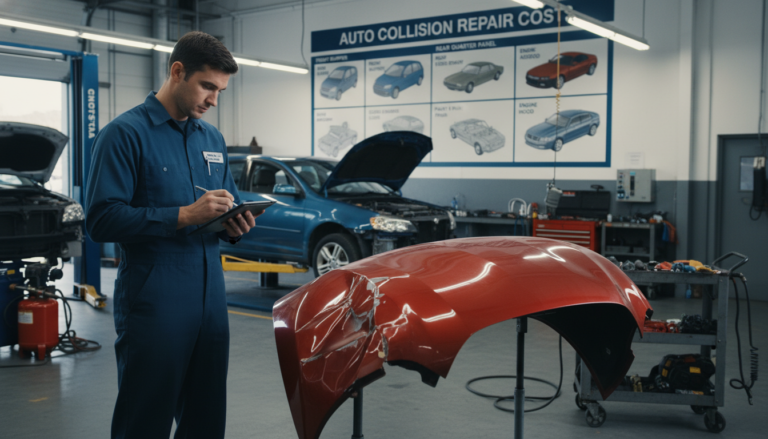
| Repair type | What it usually involves | Common timing range |
| Small dent with intact paint (PDR) | Accessing the panel and reshaping metal without refinishing | Same day to 1 day |
| Paint scuffs, chips, light bumper damage | Prep, spot repair, blending, curing, and reassembly | 1 to 3 days |
| Panel replacement and refinish | Parts sourcing, fit checks, corrosion protection, full refinish steps | 3 to 7+ days |
| Structural or suspension-related impact | Measuring, pulls, alignment checks, test drive, safety verification | 1 to 3+ weeks |
Factors Influencing Repair Time
Hidden damage can change repair time greatly. During teardown, we may find issues like a bent bumper reinforcement, sensor damage, or stress fractures not seen earlier.
Vehicle geometry affects timing too. If the impact shifted the suspension or subframe, we schedule alignment checks and corrections. This supports safe handling and reduces tire wear.
Paint breaks can also alter the plan. If moisture reaches bare metal, we must treat corrosion before refinishing. Stopping moisture intrusion early is key to collision repair prevention strategies.
Modern driver-assist systems add time when involved. Cameras, radar, and parking sensors may need scanning and recalibration after repairs. These steps help restore the car to manufacturer standards and minimize damages.
How Long Do Collision Repairs Take?
- Small dents (PDR): Same day to 1 day
- Minor paint damage: 1–3 days
- Panel replacement: 3–7+ days
- Structural damage: 1–3+ weeks
What Affects Repair Time
- Hidden damage
- Parts availability
- Structural or suspension issues
- Paint damage
- ADAS calibration
Cost Considerations for Delay in Repairs
After a crash, it’s tempting to “wait and see.” We understand that feeling. But delay often changes a simple fix into a bigger bill.
It can add stress when paperwork starts, too. The goal is to reduce repair costs without cutting corners on safety or fit.
Potential Increase in Repair Costs
Small dents and paint chips don’t always stay small. When paint breaks, bare metal gets exposed to moisture and road salt.
Rust and corrosion can spread under the surface. This makes the repair harder and usually needs extra steps.
This is the snowball effect we see in the shop. Light sanding can turn into metal work and rust treatment.
Repair may also require blending paint across more panels to match color. Fixing the problem early helps prevent it from spreading.
If you need expensive or complicated repairs, or if you have questions about recommended work, consider getting a second opinion. Read more
| What you notice | What can happen if you wait | Why the estimate can climb |
| Paint chip or scrape | Rust forms and creeps under paint | More prep time, corrosion removal, wider refinish area |
| Dented bumper cover | Hidden absorber or bracket damage stays missed | Added parts and labor after teardown and measuring |
| Misaligned hood or door gap | Latch wear, wind noise, water intrusion | More adjustment time, possible hinge or latch replacement |
| Cracked headlamp or taillamp lens | Moisture enters, electrical issues follow | Wiring checks, more parts, extra diagnostic time |
Why Delaying Repairs Costs More
Waiting to repair damage often leads to higher costs due to the “snowball effect.”
- Paint damage turning into rust
- Hidden damage worsening
- More parts required
- Increased labor time
Impact on Insurance Claims
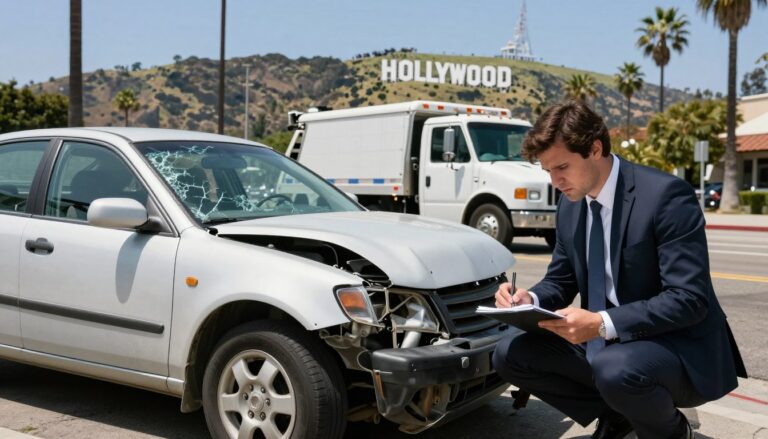
Waiting can also affect the insurance claim. One top tip is to document damage early.
This is because time makes it hard to tell crash damage from later issues like corrosion. That can cause disputes during estimates or supplements.
If damage grows, an adjuster may ask what changed and when. Leaving damage unattended can complicate claims or lead to denials.
We see fewer surprises when owners start claims and schedule inspections while damage is still clear.
Some warranties expect timely repairs and normal maintenance. Ignoring problems can challenge coverage.
To reduce repair costs, act early, keep records, and use insurance tips to avoid delays and extra pitfalls.
Insurance Considerations in California
- Harder to prove damage over time
- Possible claim delays or denial
- Additional inspections required
Step-by-Step Checklist After a Collision
- Inspect visible damage and note any changes in driving
- Take photos of all affected areas
- Check for warning lights or unusual sounds
- Avoid driving if safety is affected
- Schedule a professional inspection
- Contact your insurance provider
- Keep records of all damage and repairs
Signs You Need Professional Collision Repair
- Unusual noises
- Fluid leaks
- Warning lights
- Vibration
- Steering or braking issues
When to Call a Professional in California
You should call a professional immediately if:
- Your vehicle pulls to one side
- You hear grinding or clunking sounds
- Warning lights appear after impact
- You notice fluid leaks
- The damage involves sensors or cameras
Even if the car “feels fine,” hidden issues can compromise safety.
Assessing Vehicle Damage
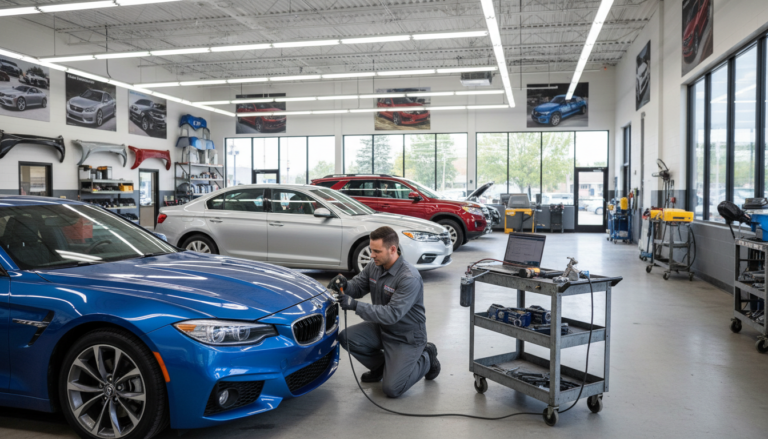
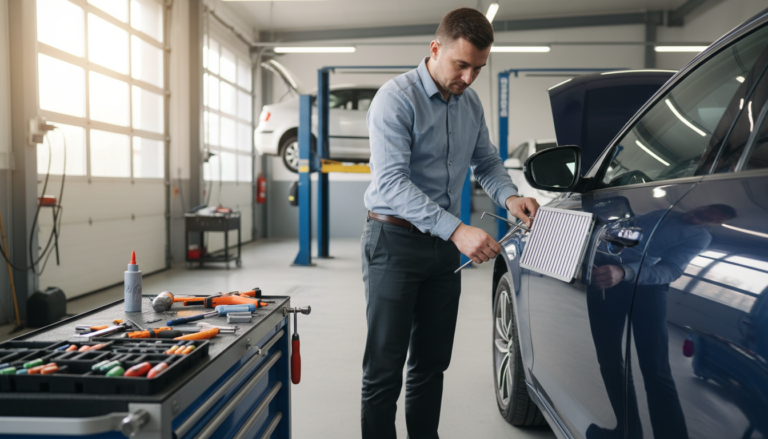
Our inspection starts with visible damage, then moves to what you can’t see. We measure panel gaps, check ride height, and look for uneven tire wear. These signs can point to misalignment.
Frame and suspension damage can happen without obvious outside clues. So careful checks are vital for safety.
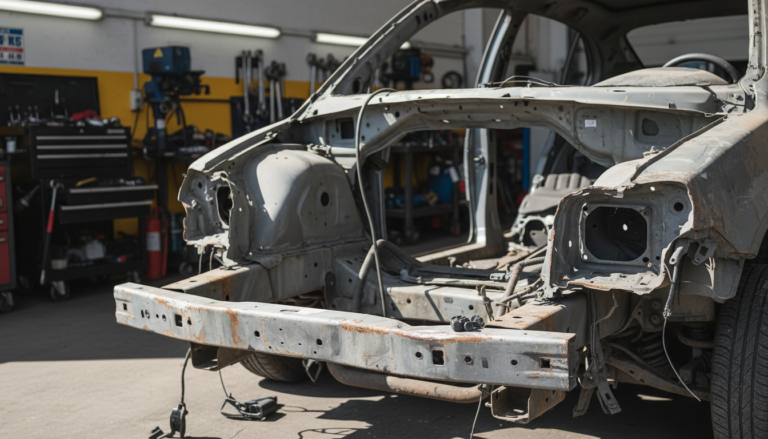
We also inspect hidden structural damage, stress fractures, and bumper reinforcements. Impact energy can reach airbag sensors and wiring behind the bumper cover.
Many vehicles have ADAS parts—lane departure warning, blind-spot monitoring, and backup cameras—in zones hit by low-speed crashes. So outside damage that looks minor might still cause sensor issues.
Proper training matters for these systems. ASE-Certified technicians and I-CAR Gold Class shops show readiness for modern materials, scan procedures, and calibration. These are key collision repair prevention strategies that help avoid repeat problems after repair.
Damage Assessment and Improved Inspection Systems Read more
| What you notice | What we check in the shop | Why it matters for safe driving |
| Steering wheel pulls or the car drifts | Alignment angles, suspension arms, steering rack mounts, wheel bearing play | Handling can change fast in rain or highway speed; uneven tire wear builds up quietly |
| Spongy brake pedal or longer stopping distance | Brake lines, calipers, ABS wiring, brake fluid condition, rotor runout | Stopping power may fade under stress; collision repair safety starts with reliable braking |
| Grinding or clunking after bumps | Struts, control arm bushings, sway bar links, subframe movement, body mount points | Loose or shifted parts worsen quickly and affect control in emergency maneuvers |
| Warning lights (airbag, ABS, engine) | Diagnostic scans, sensor data, connector pins, impact sensor mounting points | Some safety systems may be offline; collision repair best practices verify system status |
| Bumper looks scuffed but “fine” | Bumper reinforcement, energy absorber, radar/camera brackets, parking sensor mounts | ADAS and impact protection can be compromised even when the cover rebounds |
| New wet spot under the car | Coolant hoses, radiator seams, oil pan, transmission case, brake lines | Leaks can lead to overheating or loss of braking; early fixes support collision repair prevention |
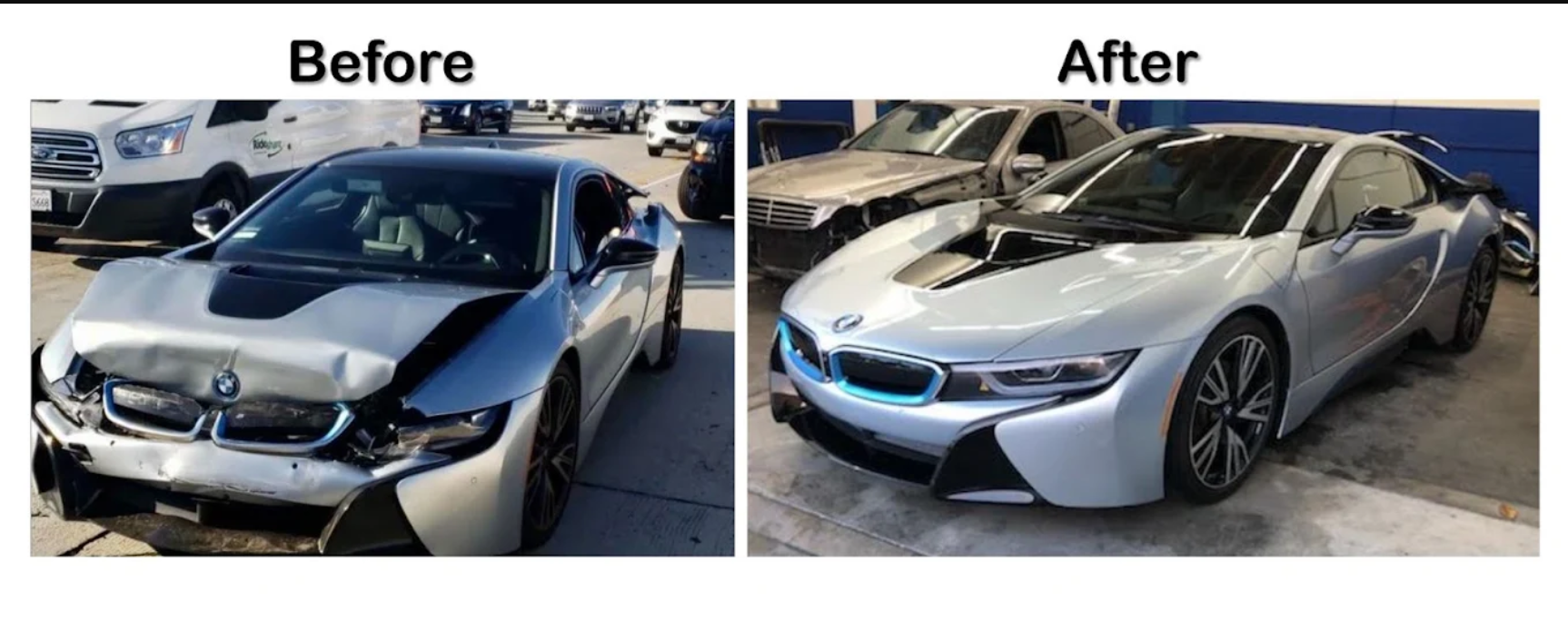
How We Inspect Your Vehicle
At Naz Motorsport, we check:
- Alignment and structure
- Suspension components
- Sensors and systems
- Hidden internal damage
We also perform system scans and calibration checks to ensure everything works as designed.
Risks of Delaying Auto Body Repair
After a crash, it is tempting to live with a dent or a cracked bumper for a while. In our shop, we see how delay risks build quietly, even when the car still drives. Small issues can hide bigger problems in the structure, steering, and driver-assist systems.
Safety Concerns
Modern vehicles rely on bumpers, crumple zones, and reinforcements to manage impact energy. When these parts weaken, a future hit may transfer more force into the cabin. Collision repair safety starts with a careful teardown and measurement, not just what you see from the curb.
Misalignment is a common problem after a hit to a wheel or suspension area. The car may pull or steer loosely, causing tires to wear unevenly. In rain or ice, loss of control can occur at the worst moment, which is a major delay collision repair risk.
ADAS features also need attention after body damage. A shifted bracket, disturbed sensor, or misaligned bumper can disrupt lane warnings, blind-spot alerts, or parking cameras. Repair includes scanning, calibrations, and road checks so these systems work correctly and don’t give false confidence.
Time matters for body panels too. When paint breaks, moisture can creep under the finish and start corrosion. Rust can spread beneath the surface, weaken metal, and make a simple repair much larger.
Forty Percent of Drivers Increasing Safety Risk by Delaying Automotive Maintenance Read more
| What gets delayed | What can happen on the road | What we check during collision repair safety measures |
| Front or rear structure that absorbed impact | Less protection in a second collision; unexpected deformation | Frame measurements, reinforcement inspection, OEM repair procedures |
| Wheel, suspension, or subframe misalignment | Poor handling, pulling, longer stopping distance, uneven tire wear | Alignment readings, suspension inspection, test drive verification |
| ADAS sensors, brackets, bumper mounting points | Warnings that fail, trigger late, or trigger when they shouldn’t | Pre-scan and post-scan, calibration, aim checks, sensor mounting checks |
| Chipped paint, exposed metal, cracked seam sealer | Corrosion spread, weakened panels, water intrusion and noise | Corrosion removal plan, refinish steps, seam sealing, cavity protection |
Legal and Insurance Implications
Waiting can complicate paperwork. If damage grows from a small crack to a broken mount or rusted edge, it can be harder to prove what came from the crash. Delay collision repair risks can cause longer negotiations or reduced coverage in claims.
We remind drivers to keep photos, estimates, and repair notes in one place. Solid records support fair decisions and reduce repeat questions. Clean documentation and a clear timeline help more than people expect.
If a warning light comes on, the car pulls, or a driver-assist feature acts oddly, treat it as a safety issue. Collision repair insurance tips work best when paired with timely diagnostics. This protects your vehicle, claim, and the people riding with you.
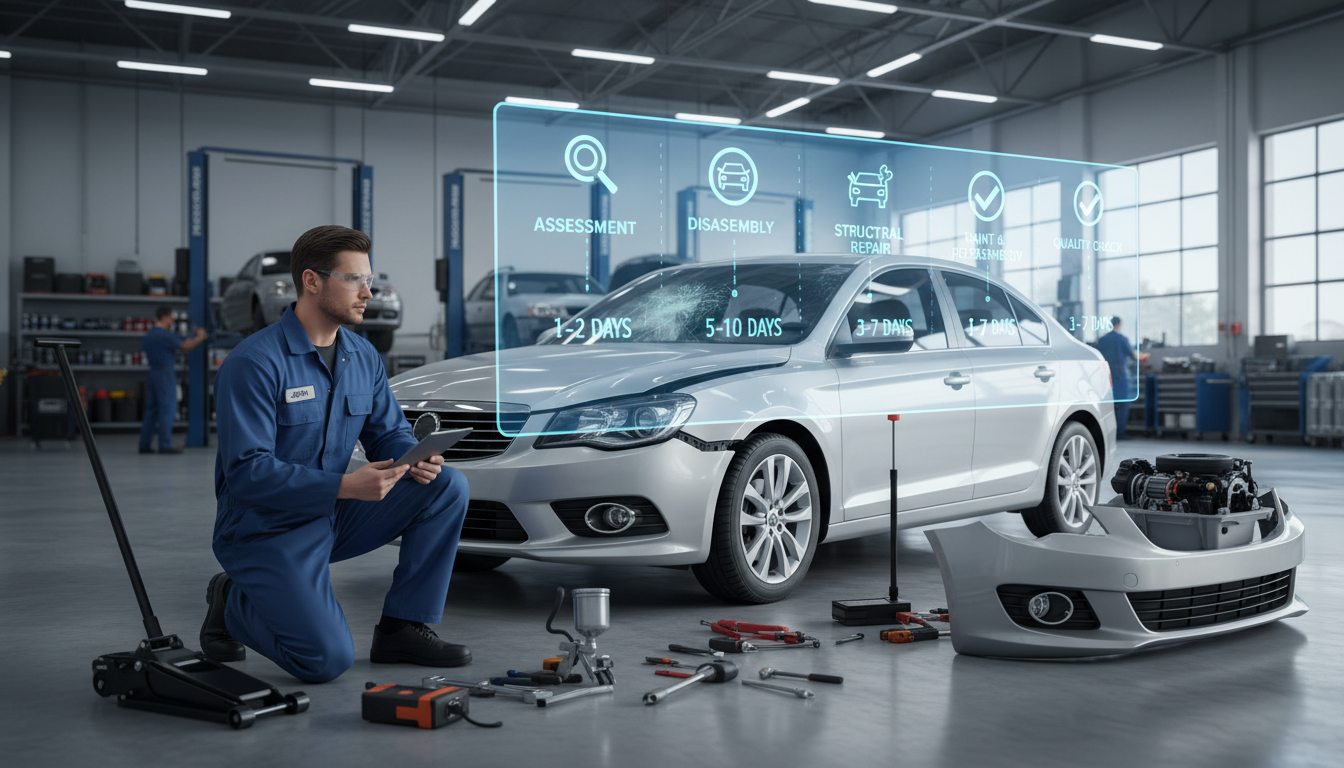
Our Collision Repair Process
Step 1: Inspection
Step 2: Disassembly
Step 3: Repair & Replacement
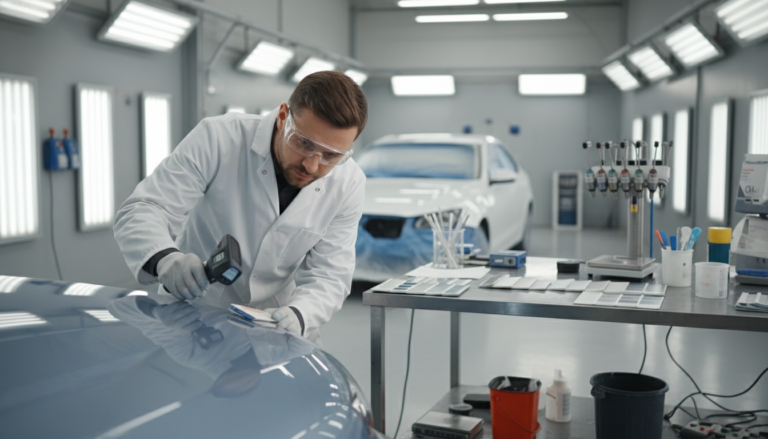
Step 4: Paint & Refinishing
Step 5: Final Checks
Practical Steps to Take After an Accident
Right after a crash, we focus on two goals: keep you safe and stop damage from spreading. If you see warning lights, fluid leaks, smoke, steam, or any change in steering or braking, stop driving immediately. Get the vehicle checked to prevent a small issue from becoming a major repair.
Next, don’t rely on a quick walk-around inspection. Schedule a post-collision check for hidden problems like wheel misalignment, bent mounting points, or damaged sensors. If you hit a curb or wheel, an alignment check can prevent tire wear and unsafe handling.
Initial Actions to Protect Your Vehicle
Take scratches and paint chips seriously. Moisture can get under the paint and cause rust to spread into seams. Early paint repair protects the metal and lowers future repair costs.
For small dents with intact paint, paintless dent repair (PDR) is a good option. PDR keeps the factory finish intact while fixing dents.
Finding the Right Collision Repair Service
Choose a shop that handles the full process: accurate estimates, teardown if needed, structural checks, paint matching, and bumper repair or replacement. Clear communication with insurance is also important.
Ask if the shop has ASE-Certified technicians and I-CAR Gold Class training. Also, look for OEM-approved paint-matching technology. These steps help avoid surprises and lower repair costs while preventing common collision repair pitfalls.
It helps to know what will happen with your insurance claim after you’re in a wreck. Use these tips to learn what to do and what to expect. And we hope you’re back on the road soon. Read more
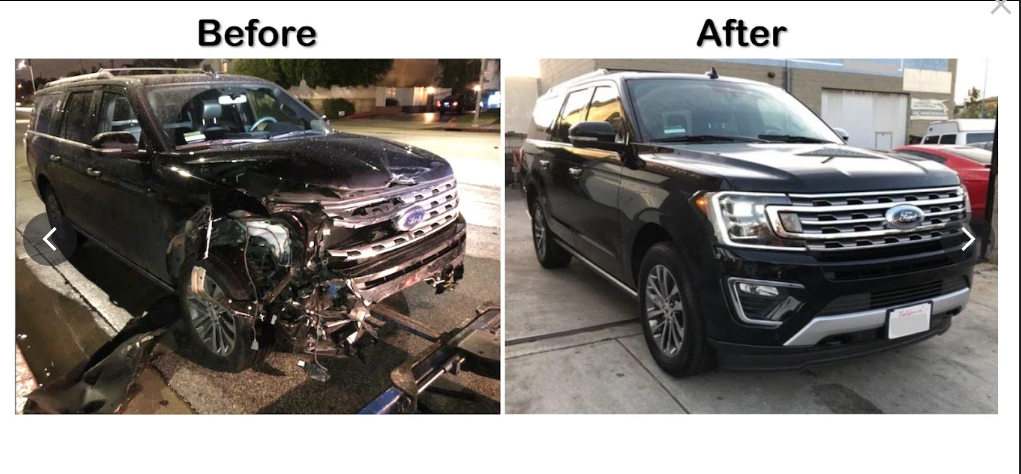
When to Repair vs Wait
| Situation | Best Action | Time | Cost Impact |
| Small dent | Repair soon | 1 day | Low |
| Paint damage | Repair quickly | 1–3 days | Medium |
| Sensor issues | Immediate repair | Several days | Medium–High |
| Structural damage | Repair ASAP | Weeks | High |
Contact Naz Motorsport in California
If your vehicle has been in an accident, this is the point where taking action matters most. Waiting longer can turn a simple repair into a major issue that affects both safety and cost.
At Naz Motorsport, we provide fast, accurate inspections and complete collision repair services to help you get back on the road safely. Whether the damage looks minor or severe, our team will identify hidden issues and guide you through the next steps.
Call 818-200-9048 now to schedule your inspection and get expert help right away.
FAQ
Is it safe to wait before fixing collision damage?
No. Even minor damage can lead to bigger issues.
Can a small dent affect performance?
Yes. It can affect alignment and sensors.
How soon should I repair damage?
As soon as possible.
Will insurance cover repairs in California?
Usually yes, but delays can complicate claims.