Did you know over six million collisions happen in the United States each year? This huge number means lots of cars need repairs. Many drivers wonder: does insurance cover collision repair, and how does it work?
We get these questions a lot. If you have collision coverage, it usually helps pay for damage from accidents. It doesn’t have a fixed limit. Instead, adjusters figure out how much based on your car’s value. Remember, you have to pay a deductible first.
We want to clear up any confusion so you can get your car fixed quickly and without stress. Our shop knows how important it is to have the right insurance for repairs. If you’re unsure about your coverage, talking to experts in fleet collision services and repair needs can help.
Key Takeaways
- Collision coverage usually covers damage from crashes with other cars or objects
- The insurer calculates repair costs based on your car’s actual cash value
- Paying your deductible is usually required before coverage begins
- Collision repair insurance coverage can ease the financial burden of an accident
- Professional guidance reduces confusion and ensures correct filing procedures
Understanding Collision Repair Coverage
Many car owners wonder what happens when their vehicle gets damaged. We aim to explain the basics of auto insurance collision coverage. This knowledge helps you feel more at ease.
What is Collision Repair Insurance?
This coverage helps soften the blow of unexpected repair costs. It covers damage from accidents with other cars or objects. Choosing the right plan can save you money and stress. Many lenders require it, so it’s a smart choice for protection.
Common Types of Auto Insurance Policies
People often combine collision coverage with other types. A basic plan might include liability for damage and injuries. Another good option is for repairs from theft, fire, or vandalism. Each mix offers unique benefits. We recommend checking what works best for you.
When Does Insurance Cover Collision Repairs?
Many drivers are unsure when insurance kicks in. Accidents with mailboxes, guardrails, or other cars might be covered if you have collision insurance. It’s important to check if your policy covers the incident and if it matches your deductible.
Real-World Scenarios: Damage and Claims
Our team helps drivers with car insurance claims for collision repairs. This includes hitting a fence or backing into another car. Serious crashes like head-on accidents are usually covered, as long as your policy includes collision coverage.
Some people choose to pay for small repairs themselves if the cost is close to their deductible.
Factors Influencing Coverage Acceptance
It’s vital to read your insurance policy carefully. Deductibles, fault, and policy limits all play a role in what you’ll get back. A good collision insurance plan helps a lot when there’s big damage.
Talking to your agent can help avoid surprises when repair bills come in.
Practical Steps to Navigate Insurance Claims
Accidents can be stressful. We aim to guide you through the process. This way, you’ll feel more at ease and informed. Keeping organized and noting each step is key, even with a collision repair insurance policy.
How to File a Claim for Collision Repair
Contact your insurer immediately after an accident. Collect driver info, damage photos, and accident details. For minor damage, get estimates from experts in scratch and minor damage. This can speed up your claim approval.
Key Documentation You’ll Need
Here’s what you should gather:
- Official accident report (if available)
- Repair estimates from a trusted body shop
- Personal details of everyone involved
Timeline Expectations for Approval
Insurers usually review claims quickly. An adjuster might check your vehicle or ask for more evidence. Once approved, pay your deductible before the policy covers the rest. This makes the process smoother and avoids unexpected costs.
When to Call a Professional for Assistance
When your car gets more than just a small scratch, it’s time to call a certified body shop. We want to help you understand your repair options. This way, you can keep your car safe and sound.
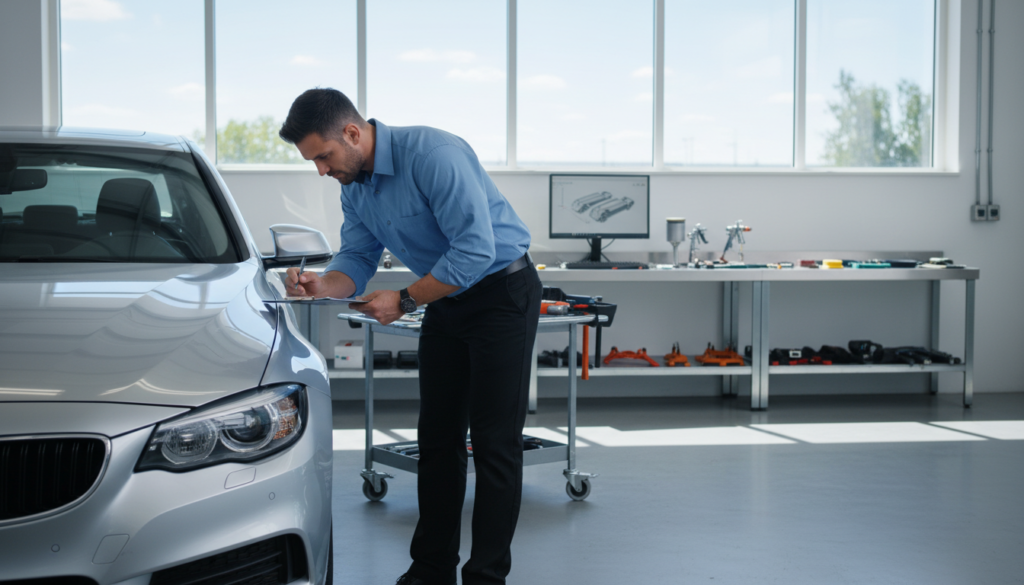
Insurance for car collision repair can be tricky. If your car’s frame is damaged, or if you need paint matching, you should get help from experts.
Signs That You Need Expert Guidance
Here are some signs you might need more help:
- Vehicle feels unstable or pulls to one side
- Warning lights on your dashboard remain active
- Door gaps or hood alignment appear off-center
Benefits of Consulting Auto Body Repair Specialists
Our team has the skills and tools for big repairs. We work with big insurance companies to make the repair process smoother. Check out our dedicated collision repair page to see how we handle everything from estimates to final checks.
Here’s a quick guide to the repair process:
| Stage | Purpose |
|---|---|
| Inspection | Identify damage to frame, brakes, and electronics |
| Repair Plan | Outline parts, labor costs, and timeline |
| Reassembly | Complete mechanical fixes and verify safety systems |
Risks of Delaying Collision Repairs
We get it, life can be busy. Putting off even small repairs can add stress and cost. We aim to keep your vehicle safe. Timely repairs help maintain its safety for daily drives and emergencies.
Potential Long-Term Costs
Ignoring small problems can lead to bigger issues. Rust can spread under chipped paint. Sensors, which help with parking or lane changes, might fail.
This can result in a higher repair cost than expected. It also makes insurance claims more complicated. Older damage might not get full coverage once new problems appear.
Safety Risks Involved in Postponing Repairs
Bent frames or loose bumpers pose hidden dangers. Airbags need precise alignment to work right. If another impact happens, damaged parts might not protect you or your passengers.
We focus on quick repairs to ensure your safety. Properly fixed panels and secure parts are key to safety.
| Delay Issue | Possible Outcome |
|---|---|
| Minor Dent | Expansion into Rust |
| Misaligned Components | Failure of Safety Features |
| Untreated Sensor Damage | Incomplete Airbag Deployment |
FAQ Section
Many people wonder about insurance coverage, limits, and what happens during repairs. This FAQ answers some common questions.
1. What types of collision damage does insurance cover?
Insurance usually covers damage from crashes with other vehicles or objects. It also covers your deductible. If you have a policy with a “comprehensive” option, it might cover damage from weather or vandalism too.
2. How can I determine my coverage limits?
To find out your coverage limits, check your declarations page or call your insurance company. This page shows your policy limits and deductibles. Your vehicle’s age, any past incidents, and specific policy terms can affect your coverage.
3. What should I do if my claim is denied?
If your claim is denied, first make sure all paperwork is correct. Collect any missing evidence, like photos, and appeal with new information. Our shop can help verify repair details, supporting your case.
4. How long does it typically take to repair a vehicle after an accident?
Repair times vary. They depend on parts availability and the damage’s severity. Some repairs are done in a few days. Others might take a couple of weeks. Our skilled technicians will keep you updated and on track.