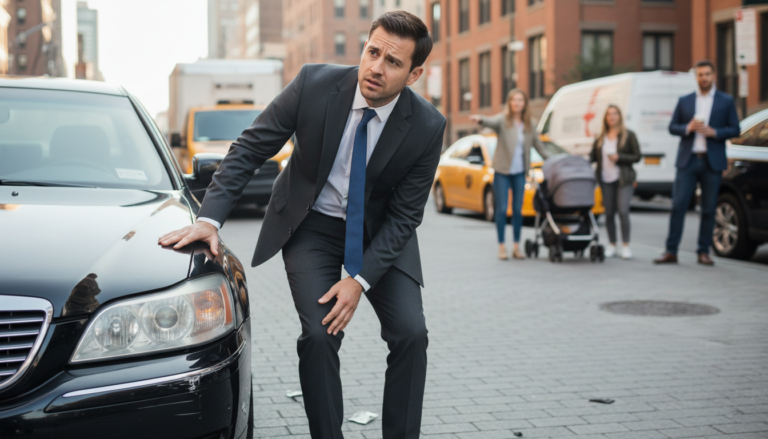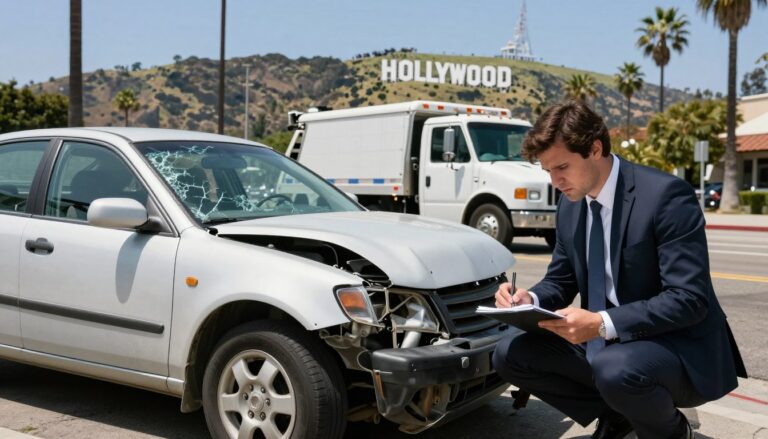
Did you know that a single factory code can have over 100 different shade variations? It is a common nightmare to pick up your vehicle after a collision repair only to see a panel that looks slightly off. This noticeable mismatch isn’t just an eyesore; it can slash your car’s resale value by thousands of dollars.
We understand the frustration when your car doesn’t look like itself. A professional auto paint matching process is more than just reading a code. It is a scientific system involving digital tools and skilled chemistry to account for years of UV fade.
Every vehicle ages differently due to sun and weather. Because of this, the color on your hood likely differs from the day it left the showroom. Our team uses precision tech to ensure the new finish blends perfectly with the old color. We aim to deliver a repair that is visually indistinguishable under any lighting or angle.
Quality color matching requires a disciplined, multi-step approach rather than a quick spray. This refined process ensures a perfect look for your auto paint by matching the original color exactly. By choosing the right shop, you protect your investment and ensure your vehicle receives a truly invisible repair. If wish to get in contact with us click the link to learn how we can help you!
Key Takeaways
- Factory codes are only a starting point because of production batch variations.
- Sun exposure and UV rays change your vehicle’s shade over time.
- Professional shops use digital cameras to measure the actual current color.
- A visible mismatch can drastically lower the resale value of your car.
- Technicians must manually tint mixtures to account for aging and oxidation.
- Quality repairs remain invisible under every lighting condition and viewing angle.
Why Your Car’s Paint Might Not Match After Collision Repair
Understanding why a mismatch happens starts with realizing that paint codes are only a starting point for any auto body professional. We often see owners receive a quick quote where the technician simply copies a number from the door jamb.
The problem is that your vehicle lives in the real world, not a showroom. Over time, UV fade and oxidation progressively bleach the pigments in your car paint, especially on reds and blacks.
Even identical cars from the same year can have a factory batch variance. Differences in booth conditions, such as humidity or spray pressure during assembly, create subtle shifts in the original color.
We regularly meet customers whose cars look “close but not quite right” after visiting shops that skip precision measurements. This visible mismatch usually happens because the paint used was mixed to factory-new standards, ignoring the aged surface of the vehicle.
Previous repairs or high-end detailing products like ceramic coatings also alter how light reflects off the color. These layers change the surface optics, making it difficult for basic tools to see the true paint underneath.
Simply ordering paint by a code is never enough for a seamless repair. We believe that professional matching requires a deep look at how your specific color has evolved since the day it left the factory.
| Factor | Primary Cause | Visual Result |
|---|---|---|
| Sun Exposure | Ultraviolet rays | Dull or lightened pigments |
| Manufacturing | Batch differences | Slight shade variations |
| Maintenance | Ceramic coatings | Changed surface gloss |
| Environment | Road chemicals | Shifted color depth |
What Auto Paint Matching Really Means (And Why It’s More Than Just Using a Color Code)
At our shop, we define successful color matching as the process of making a repair completely invisible. It is much more than just finding a shade that looks “close enough” under shop lights. We want the repaired area to be visually indistinguishable from the rest of your car in every lighting condition and at every viewing angle.
Achieving this level of quality requires us to look at the matching process through a technical lens. We do not just spray a panel and hope for the best. Instead, we use a combination of digital tools and micro-adjustments to ensure the final finish is seamless. This professional approach protects the value of your vehicle after an accident.
The Difference Between Factory Paint Codes and Your Actual Paint Color
Every automobile has a specific paint code located on the door jamb or under the hood. While this identifies the color as it existed when it left the factory, it is only a starting point. This formula does not account for how the paint has changed during its years on the road.
We explain to our customers that relying solely on a paint code often leads to visible transitions. The original formula is a “standard” version, but your vehicle likely has a unique color profile now. Without precise auto paint adjustments, a new panel may appear slightly darker or lighter than the surrounding bodywork.
Variables That Affect Your Vehicle’s Current Color
Several environmental factors change your color over time. UV exposure from the sun is the most common cause of fading, as it bleaches pigments differently based on where you live. Constant weathering also leads to oxidation, which creates a chalky surface that alters how the paint reflects light.
- UV Exposure: Strong sunlight gradually lightens the paint, meaning a factory-fresh mixture will look too dark.
- Metallic and Pearl Effects: The orientation of metallic flakes and pearl particles shifts how the color reads at different angles.
- Previous Repairs: Past auto paint work may have used a variant formula that is not visible until new work is done nearby.
- Surface Treatments: Ceramic coatings and waxes change the optical properties of the surface, requiring technicians to compensate during measurement.
Professional color matching addresses these variables by using three core pillars. We start with accurate digital measurement, follow with controlled mixing, and finish with intelligent blending. This ensures that the matching shades look perfect and that the new paint integrates perfectly with the old.
The Professional Auto Paint Matching Process: Step-by-Step
Understanding the intricate steps of the professional auto paint matching process helps you appreciate the level of care we provide. We don’t just pick a bottle off a shelf and hope for the best. Instead, we follow a strict technical process to ensure your car looks brand new again.
Step 1: Digital Color Measurement with a Spectrophotometer
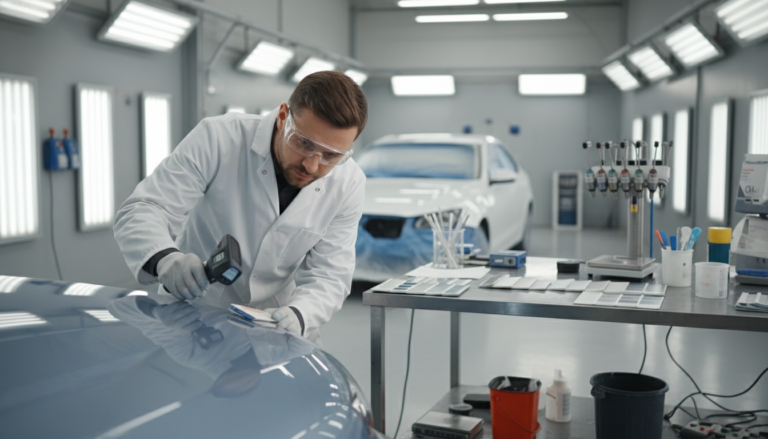
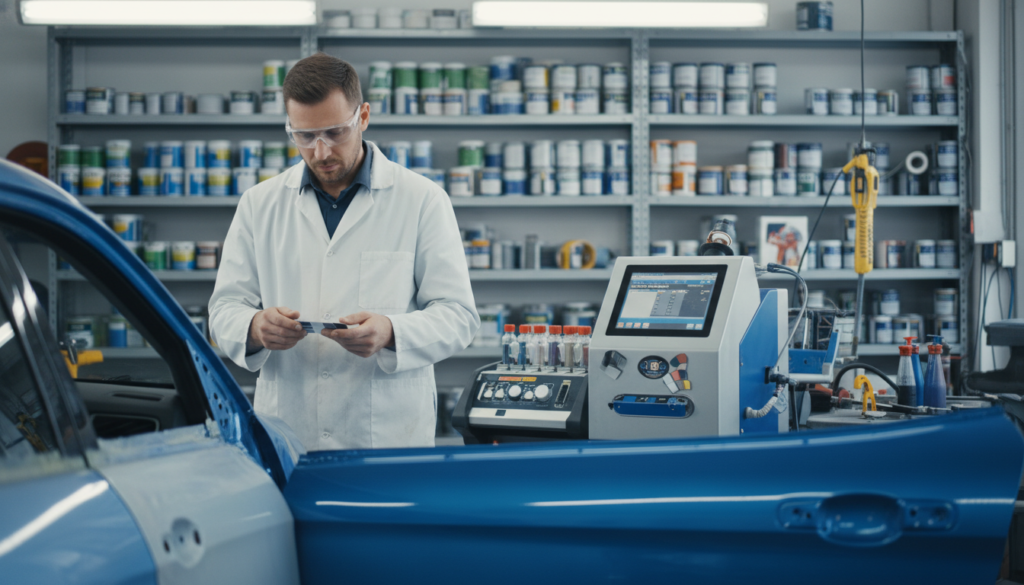
We begin by using a multi-angle spectrophotometer to scan your vehicle’s current finish. Unlike a basic tool, this device reads light reflectance at four different angles: 15, 45, 75, and 110 degrees. This is vital for metallic or pearl finishes that change appearance based on how you look at them.
We typically scan a cleaned panel, like a door jamb or an undamaged area next to the repair. This creates a digital profile of your car’s specific color. We then upload this data to professional software that compares it against thousands of factory variants.
Step 2: Formula Generation and Precision Mixing by Weight
Once the scan is complete, our software provides a ranked list of the best formula candidates. We don’t measure paint by eye or by volume, which can be inaccurate. Instead, we use a calibrated digital scale for mixing every ingredient by its exact weight.
This precision step ensures that we can repeat the exact results if more material is needed. By following the formula to the tenth of a gram, we remove the “human error” of guessing. This high level of auto repair tech is what separates a factory finish from a cheap fix.
Step 3: Spray-Out Card Testing Under Multiple Lighting Conditions
We never apply paint to your car until we have proven the matching on a test surface. We create “spray-out cards” using the same equipment and technique we will use on your vehicle. This allows us to see the final result before the first drop touches your auto body.
We check these cards against your car under four different lighting conditions. This includes direct natural daylight, shaded light, and color-corrected booth lamps. This reveals “metamerism,” where a color might look perfect inside but looks different once you drive out into the sun.
Step 4: Micro-Tint Adjustments for Perfect Accuracy
This final step is where our experts fine-tune the formula for a flawless result. If the spray test shows a slight shift in hue or brightness, we make micro-tint adjustments. We repeat the test cycle until the matching is invisible to the naked eye.
This level of detail is why we often recommend panel blending to ensure the new finish flows perfectly into the old. Once we are satisfied with the test card, we move forward with confidence. Your car leaves our shop with a finish that truly lasts and looks original.
Technology and Equipment Used in Professional Paint Matching
Modern automotive finishes are incredibly complex, which is why we invest heavily in high-end technology to ensure your car looks brand new. We believe that transparency is key to a stress-free repair experience.
To provide a truly invisible finish, a professional shop must use specialized tools. These tools allow us to move beyond guesswork and achieve scientific precision during the repair.
Multi-Angle Spectrophotometers vs. Basic Colorimeters
We use a multi-angle spectrophotometer to scan your car’s surface. Unlike basic colorimeters that only look at color from one direction, our tools read data at 15°, 45°, 75°, and 110° angles simultaneously.
This is critical for auto finishes that feature metallic or pearl flakes. These finishes change appearance based on how light hits them. Our advanced equipment ensures we capture every subtle shift in shade and flake orientation.
Digital Color Formulation Software Systems
Once we have a digital scan, we use professional software like PPG PaintManager or Axalta ColorNet. This technology cross-references your car’s scan against a database of tens of thousands of formula variants.
“Precision in the digital laboratory is the only way to achieve perfection in the spray booth.”
These systems are constantly updated by manufacturers. When a shop halfway across the world finds a better match for a specific paint, that data helps us improve your results too. This global network ensures we always have the most current information for your auto repair.
Gravimetric Mixing Scales and Quality Control Tools
After finding the right formula, we move to the mixing station. We use gravimetric scales that measure paint components by weight rather than volume. This process ensures repeatable accuracy down to the smallest drop.
- D65 Daylight Lighting: We use 6500K color-corrected lights to inspect the color without the yellow tint of standard bulbs.
- HVLP Spray Guns: Calibrated equipment helps the metallic particles settle correctly in the wet film.
- OEM-Approved Systems: We use paint systems like BASF Glasurit or Sherwin-Williams AWX for factory-level quality.
Finally, we implement strict quality control protocols before any vehicle leaves our facility. This technology investment is what separates a standard repair from a professional restoration that protects your vehicle’s value.
The Blending Process: Why Adjacent Panels Get Painted Too
Even if we find a perfect formula, applying it only to a single door can leave a noticeable line that catches the eye. The human eye is incredibly sensitive to small changes at the seams of a panel. If we stop the paint right at the edge of a repair, the transition becomes obvious under sunlight.
Professional shops avoid this “hard edge” by extending the work area. We want to ensure that your car looks uniform from every angle. This is why we often recommend painting parts of the vehicle that were not actually damaged in the collision.
What Panel Blending Means in Auto Paint Matching
This technique involves gradually feathering the new paint as we move away from the repaired zone. We do not simply stop at the physical boundary of the damaged part. Instead, we blend the basecoat into the surrounding panels to trick the eye.
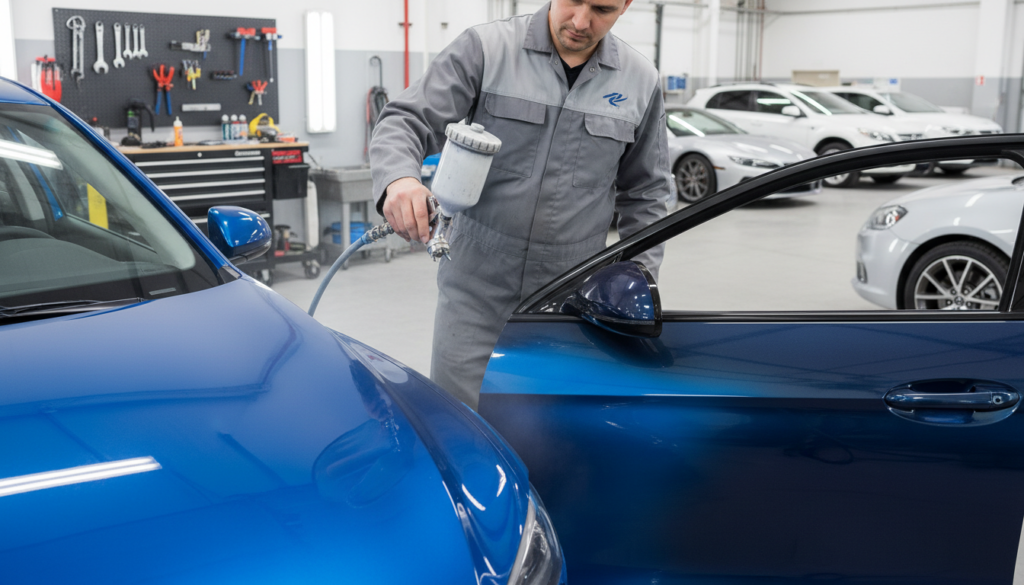
By thinning the coverage as we go, we ensure there is no identifiable line where the factory finish ends. It creates a soft transition that makes the matching process successful. Without this step, even a 99% color match would look like a different shade when viewed side-by-side.
How Blending Creates Invisible Color Transitions
The distance we need to blend depends heavily on your vehicle’s specific color. Solid shades are usually easier to manage. However, complex metallic or pearl finishes often require us to extend our application across one or two adjacent panels.
We often use a special “reducer melt” method to further soften the boundaries. This involves applying a diluted solution to the edge of the work area. It helps the fresh pigments lay down smoothly against the original surface for a seamless result.
- Invisible Borders: Feathering removes the visual “jump” between different paint batches.
- Light Reflection: Proper blending ensures that metallic flakes lay at the same angle across the whole side of the car.
- Professional Standards: Shops that refuse to blend are often cutting corners on quality and longevity.
Our goal is to make the repair disappear completely. We evaluate each car individually to decide how much area we need to cover. This careful planning is what separates a “good enough” job from a factory-quality restoration.
| Paint Type | Blend Requirement | Matching Complexity |
|---|---|---|
| Solid White or Black | 12 to 18 Inches | Moderate |
| Silver or Grey Metallic | Entire Adjacent Panel | High |
| Three-Stage Pearl | Multiple Neighboring Panels | Very High |
Why Metallic and Pearl Finishes Are Harder to Match
Matching the shimmer of metallic pearl finishes is one of the biggest challenges we face in the paint booth. While a solid color like flat white or black is straightforward, a metallic pearl finish relies on light reflecting off tiny particles suspended in the liquid.
If these particles do not align perfectly, the repair will stand out under the sun. This creates a visual mismatch that can be frustrating for any car owner.
Challenges with Metallic Paint and Flake Orientation
With metallic paint, the orientation of aluminum flakes determines the final look. These flakes can lay flat, stand on edge, or cluster together depending on the spray environment.
“The angle of the flake determines the ‘flop,’ which is how the color changes when you walk around the car.”
If the flakes do not lay exactly as they did at the factory, the repaired panel will look darker or lighter from different angles. We must carefully match the flake size and density to ensure the metallic pearl particles reflect light consistently across the entire surface. Even a tiny variation in air pressure can cause the metallic flakes to settle incorrectly.
Tricoat and Pearl Finish Complexity
Modern luxury vehicles often use pearl finishes that require a tricoat process. Instead of one layer of color, we apply a ground coat, a translucent mid-coat containing mica or pearl particles, and then a final clear coat.
Matching these layers is difficult because the mid-layer is sensitive to the number of passes we make. Adding just one extra layer can make a pearl white look too creamy or warm. We provide high-end custom paint restoration to ensure these finishes blend perfectly.
How Application Technique Affects the Final Appearance
Even with a perfect formula, the application technique changes the result. Variables like the reducer selection affect how quickly the solvent evaporates. This dictates how the metallic pearl particles settle as the paint dries.
A slight change in spray distance or overlap can alter the color depth significantly. Achieving an invisible match on metallic pearl finishes requires a level of technique that only experts possess. This ensures the paint matches the factory finish.
A poor technique leads to a visible mismatch in color. We use high-quality paint to achieve the right color and handle every pearl job with care. Finally, we verify that these pearl finishes meet our standards and that the final finishes look original.
Why Your Paint Code Alone Won’t Give You a Perfect Match
We often see owners surprised when the manufacturer’s paint code doesn’t produce the exact shade needed for their car. That code identifies the color as it existed the day your vehicle rolled off the assembly line. It doesn’t account for the years of environmental exposure and chemical changes your finish has endured since then.
Relying on a professional oem color matching process involves much more than just looking up a sequence of numbers. Without measurement and validation, a shop risks a visible mismatch that ruins the aesthetic of your repair.
UV Fade and Oxidation Over Time
The sun is the biggest enemy of your car’s finish. Over time, intense UV rays cause the paint to bleach and lose its original vibrance. Reds, blacks, and certain metallics tend to dull faster than lighter shades, creating a significant shift from the factory standard.
Additionally, surface oxidation can create a chalky, dull layer on top of the clear coat. If we scan an area affected by oxidation without proper preparation, the equipment reads the degraded surface rather than the actual base color. Environmental wear makes a static code an unreliable reference for older vehicles.
Factory Batch Variations Between Vehicles
Even two identical models produced in the same factory might have subtle differences. Factors like humidity levels or spray booth temperatures can alter how pigment and metallic flakes disperse during application. This is known as a factory batch variation.
Because of these shifts, the standard formula might not be the right fit for your specific vehicle. We must use digital tools to identify which variant of the code actually matches your panels. This ensures the new finish flows seamlessly into the original surfaces.
“A paint code is a starting point, but the eyes of a technician and precision digital tools provide the finish line for a quality repair.”
Previous Repairs and Surface Treatments That Alter Color
Previous collision repairs might have used a slightly different formula or application technique years ago. If a shop scans near an old repair, the results will be skewed, leading to a compounding error. We always investigate the history of the panels before mixing any paint.
Modern treatments like ceramic coatings, heavy waxes, and polishing compounds also change how light reflects off the surface. These layers alter the optical properties that digital equipment reads. We properly clean and prepare the scan area to ensure we match the real paint, not the product on top of it.
Shops that offer quotes in minutes based only on a paint code are revealing a major shortcut. They skip the spectrophotometer measurement and spray-out validation steps that professional color matching absolutely requires.
| Factor | Impact on Match | Professional Solution |
|---|---|---|
| UV Exposure | Bleaches pigments over time | Custom tinting adjustments |
| Batch Variation | Subtle shade differences from factory | Digital formula selection |
| Surface Oxidation | Creates a chalky, dull appearance | Preparation and polishing before scan |
| Ceramic Coatings | Alters light reflection and depth | Decontamination and surface cleaning |
How to Choose a Collision Repair Shop for Paint Matching
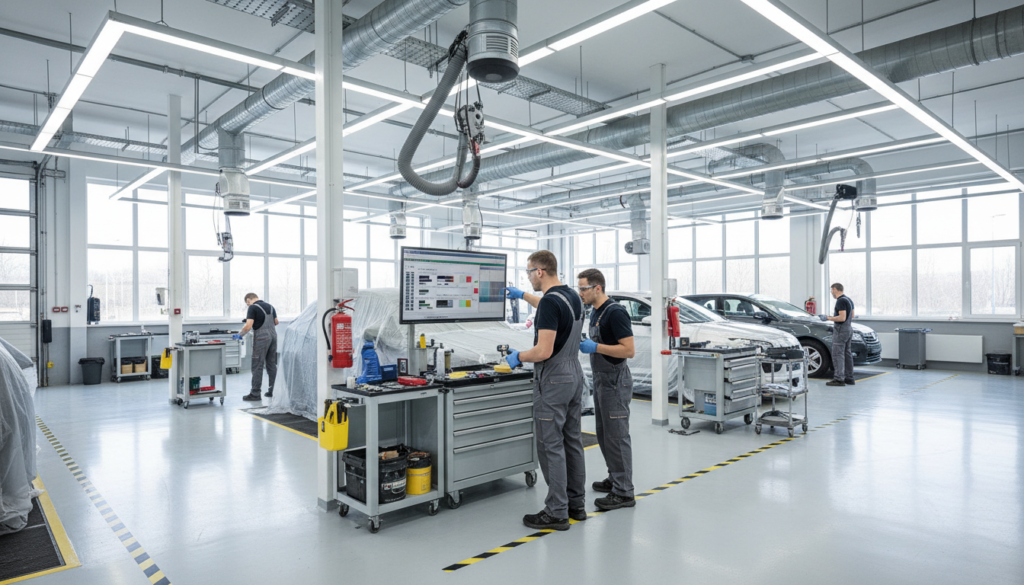
When your vehicle needs a flawless finish, you need to know exactly how to vet a potential repair facility. Choosing the right shop ensures your car returns to its original glory without visible evidence of the accident. We want you to feel confident that the paint on your car will look identical to the factory color once we finish the job.
Critical Questions to Ask Before Committing to a Shop
The first thing you should ask is what kind of spectrophotometer the auto body facility uses. We believe a professional facility must use a multi-angle device to capture how paint looks from different directions. If they seem unfamiliar with this technology, they may struggle with modern metallic or pearl finishes.
Next, ask if they perform spray-out card tests for every job before applying any product. This is the only way to verify the color and matching accuracy before the liquid touches your vehicle. You should also ask how they handle blending on adjacent panels to ensure the transition remains completely invisible.
Working across multiple panels requires a steady hand and a deep understanding of light reflection. If a technician suggests painting only the damaged area to a hard edge, it is a sign they are skipping vital steps. A true professional will always explain the blending process to protect the car’s resale value.
Red Flags That Indicate Poor Quality Control
A quick walkthrough of the auto body facility can tell you a lot about their quality standards. Look for a clean and organized paint mixing area with clearly labeled tints and calibrated digital scales. If the mixing station is chaotic or disorganized, the formula they mix for your car likely won’t be accurate.
Pay attention to how the shop staff answers your technical questions about difficult finishes. Vague generalizations about “matching by eye” are a major red flag for complex modern repairs. A reputable shop will explain their validation steps and offer a written warranty on the matching work.
OEM-Approved Paint Systems and What They Mean
A professional shop relies on a high-end system to achieve factory-level results. We use OEM-approved brands like PPG, Axalta, BASF, or Sherwin-Williams because they provide massive formula databases. These manufacturers offer the technical support needed to replicate the exact look of your original paint.
Using these top-tier tools means the technician is following a proven recipe that accounts for specific chemistry. They use these tools to ensure a precise matching outcome every time. This commitment to quality is what separates a standard repair from a truly invisible color restoration.
How Long Does Professional Paint Matching Take?
Understanding the clock behind the spray gun helps set realistic expectations for your vehicle’s stay in our shop. We prioritize a perfect finish over a rushed job because we perform measurement, testing, and validation steps that some shops simply skip. This extra time ensures the color on your car looks factory-fresh once the repair is complete.
Timeline for Solid Colors vs. Metallic Finishes
Solid colors are usually the simplest to match. For these vehicles, the matching process—including scanning with a spectrophotometer and mixing—typically adds just a few additional hours to the total repair. We still perform a spray-out card validation to ensure the paint aligns with the existing panels, but it remains a straightforward task.
Basecoat/clearcoat metallic finishes require a bit more patience from both the technician and the owner. We must perform multi-angle scanning and run several test cycles to ensure the flakes lay exactly right within the finish. This careful blending technique takes moderate additional time but is necessary to prevent a visible patch in the sun.
Why Tricoat and Pearl Colors Require Extended Booth Time
A pearl or tricoat finish is the most labor-intensive challenge we face in the refinishing department. Each layer, from the ground coat to the pearl mid-coat and final clear, must be applied and evaluated independently. We often spend several extra hours on these complex jobs to ensure every angle looks correct under different lighting conditions.
“Quality is never an accident; it is always the result of high intention, sincere effort, intelligent direction and skillful execution.”
If a shop promises a fast turnaround on a multi-stage paint job, they might be cutting critical corners. We allow for proper flash time between each coat to guarantee a durable and accurate color result. Taking the time for proper color matching is the difference between a repair you can spot and a paint job that truly vanishes.
What Paint Matching Costs After Collision Repair
When we discuss repair budgets with our customers, the cost of matching the paint is often the biggest question. It is important to understand that you are not just paying for a liquid coating. Investing in a professional shop means paying for the technology and specialized training required for a perfect result.
Key Factors That Influence Final Expenses
The total cost depends heavily on the complexity of your vehicle color. Solid finishes are the most affordable, but tri-coat paint requires much more labor and materials. The number of panels needing a blend also changes the final estimate significantly.
If we must apply a specific formula to adjacent areas, the price increases to ensure consistency across the car. Properly calibrated scales and digital software also factor into the hourly rate. These tools are essential for achieving the precision we demand for every job we finish.
| Finish Type | Complexity Level | Typical Labor Impact |
|---|---|---|
| Solid Finish | Standard | Base Rate |
| Metallic | Moderate | +15-20% Labor |
| Tri-Coat Pearl | High | +30-40% Labor |
How Insurance Claims Handle Color Restoration
Most insurance policies cover the steps necessary for a proper repair. This includes scanning the color with a spectrophotometer and using a professional blend technique on adjacent panels. Reputable shops document these specific line items clearly for the adjuster.
This transparency ensures that the insurance company understands why certain procedures are vital for the vehicle. These steps are not optional add-ons. They are industry standards that ensure the repair is invisible to the naked eye under any lighting condition.
Why Cheap Quotes Often Mean Compromised Results
If a shop provides a quote that is significantly lower, they may be skipping the proper matching process. They might avoid the spray-out test or use a low-quality paint system with a generic formula. Cutting these corners often leads to a visible line where the new finish meets the old.
“The bitterness of poor quality remains long after the sweetness of low price is forgotten.”
An obvious color mismatch can lower your car’s resale value by thousands of dollars. We believe that professional paint work is the only way to protect your automotive investment. Properly applied paint ensures a seamless finish that lasts for many years to come.
When to Call a Professional for Paint Matching
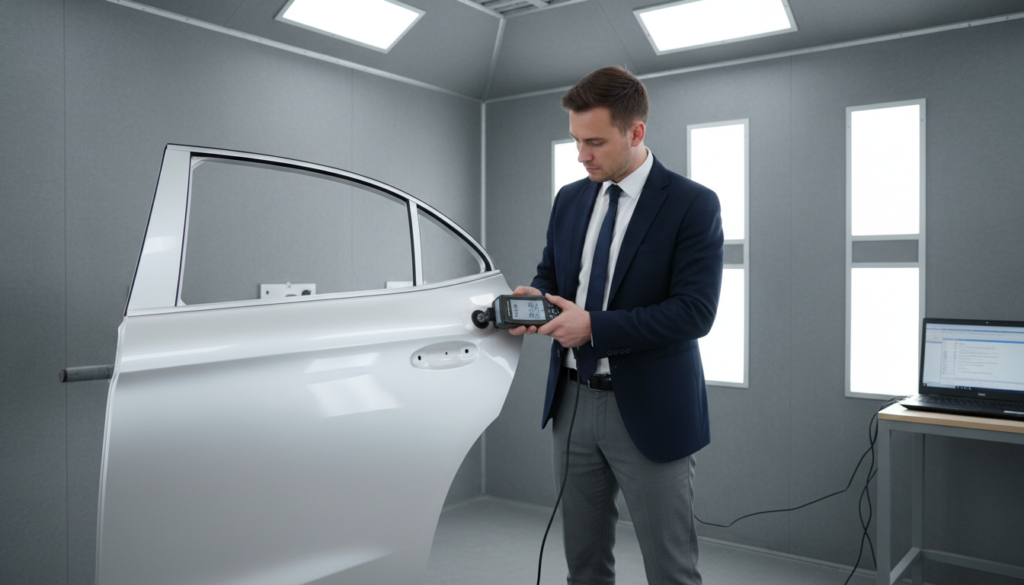
When your vehicle sustains damage to visible body panels, the choice to hire experts becomes clear. We know you want your car to look like the accident never happened. Recreating a factory look requires a level of precision that goes beyond basic touch-up kits.
Signs Your Repair Absolutely Needs Expert Assistance
If the damage sits on a door, fender, or hood, you need high-quality auto paint services. These large surfaces catch light in ways that make even a tiny color error stand out to the naked eye. Even a slight variation becomes obvious when viewed from a normal distance.
Metallic or pearl finishes are especially complex because their appearance shifts based on the viewing angle. This makes a perfect matching result nearly impossible to achieve without specialized training. We also suggest expert help if you care about the resale value of your investment.
Why At-Home Efforts Usually Fail on Modern Surfaces
Most DIY attempts fail because retail kits only provide a generic factory formula. They do not account for how your paint has aged or faded over several years in the sun. We use advanced digital tools to create a custom mix for your unique vehicle.
Application technique also changes how the auto paint looks on the panel. Even with the right formula, a standard spray can often leads to a dull finish or uneven texture. Proper atomization and environment control are necessary for a smooth transition.
Our technicians perform multiple tests to ensure the matching is perfect before the job begins. They adjust the color manually until it blends seamlessly with your existing paint. Finally, we verify the color and paint under different lights to ensure a consistent color.
Risks of Delaying Proper Paint Matching After Collision Repair
Many drivers think a slight color mismatch is just a cosmetic annoyance. However, we know that putting off a professional auto fix leads to structural and financial problems. Delaying these repairs often causes more trouble than the original accident itself.
It is tempting to wait when the car still drives fine. We want to help you understand why finishing the paint job correctly matters right now. These risks affect your wallet and the long-term health of your vehicle.
Direct Impact on Vehicle Resale Value
Your vehicle finish heavily influences its resale value. When potential buyers see a visible mismatch, they assume the repair was low quality. They might even worry about hidden structural damage beneath the surface.
Professional appraisers and dealerships look for these exact inconsistencies. A poor color match can drop your trade-in price by thousands of dollars. Buyers often walk away entirely when they see uneven paint on a used car.
Long-Term Paint Deterioration and Protection Issues
Properly applied paint provides more than just a shiny color. It acts as a vital layer of protection for the metal panels underneath. When a body repair is left unfinished, it leaves your car vulnerable to the elements.
Exposed primer or filler absorbs moisture from the air almost immediately. This often leads to hidden rust and rapid paint deterioration. Without a strong clearcoat, UV rays will quickly destroy the surrounding finish and lead to expensive repairs.
| Risk Factor | Consequence | Financial Impact |
|---|---|---|
| Visible Inconsistency | Reduced Buyer Trust | Lower Resale Value |
| Exposed Primer | Moisture Absorption | Surface Rust |
| Poor Preparation | Clearcoat Peeling | Repaint Costs |
Insurance Documentation and Future Claim Complications
Poor repairs also cause major issues with your insurance company. If you have another accident later, adjusters will notice the old, low-quality work. They may label new damage as “pre-existing” because of the previous bad repair.
This creates a complicated paper trail that can reduce your future settlements. We always recommend getting the job done right the first time to keep your records clean. Quality work today prevents massive headaches tomorrow.
How to Verify Your Paint Match Is Accurate Before Leaving the Shop
Verifying the quality of a professional paint job requires more than a quick glance inside the garage. We suggest moving the vehicle into direct natural daylight before you sign the final paperwork. Natural lighting conditions often expose subtle issues that indoor bulbs might hide.
Lighting Conditions to Check the Repair Under
Midday sun is the harshest test for any automotive color. We encourage you to inspect the vehicle under multiple light sources, including shaded areas. Shaded light reveals “value shifts,” showing if the new finish is too dark or light.
Different lighting conditions like dusk or overcast skies can also change how we see a match. It is wise to inspect the surface one last time under the light of a clear sky. Always ensure the finish looks consistent under every available light before driving away.
Viewing Angles That Reveal Hidden Mismatches
A proper color match must look seamless from every direction. Check the panel from a straight-on view first to see the “face” of the finish. Then, move to a 45-degree angle where metallic flakes tend to shift most dramatically.
Viewing the panel at extreme shallow angles helps you find “banding” or texture issues. If the shop did the job right, you won’t see where the original paint ends. We want the transition to be completely invisible to the naked eye.
What to Do If You Notice a Mismatch After Vehicle Pickup
Sometimes a mismatch only becomes visible once you get home to your own driveway. If this happens, document the color difference with photos taken in bright daylight. Use various light sources to capture how the match changes at night or under streetlights.
Contact the shop immediately to discuss your findings and schedule a re-evaluation. A quality paint job is backed by a warranty to ensure your car looks its best. We value your satisfaction and want the final color to be perfect.
| Inspection Step | Light or Angle | What to Look For |
|---|---|---|
| Direct Sunlight | Midday Sky | Reveals hue accuracy and flake sparkle. |
| Shaded Area | Diffuse Natural Light | Shows if the repair is too dark or light. |
| Oblique Angle | 45-Degree Side View | Checks for consistent metallic orientation. |
| Shallow Angle | Eye-Level Profile | Ensures uniform gloss and smooth texture. |
Conclusion
Understanding the complex work behind a perfect finish helps you choose a shop that truly values quality over speed. This process is more than just reading a factory code; it is a disciplined routine that combines digital tools with skilled manual application. We want you to feel confident that your repair will look original.
We know that your vehicle likely has a current color that differs from its original factory state. Factors like UV fade and environmental exposure mean that a standard paint code won’t provide an invisible result on its own. Every repair requires a custom approach to account for these aging variations.
Achieving a quality result requires a focus on these critical technical steps:
- Multi-angle spectrophotometers to measure the auto paint on your specific car.
- Digital software for precise formula generation and matching.
- Careful blending across adjacent panels to ensure the paint looks uniform.
- Spray-out validation to confirm the final color before application.
“Precision matching is the difference between a repair that looks like new and one that damages your vehicle value.”
We encourage you to ask about the auto paint system and warranties offered before the work begins. While metallic or pearl finishes require more paint layers and testing, the results protect your investment from thousands in lost resale value. Understanding color matching ensures your paint repair delivers total peace of mind and a vibrant color.
Frequently Asked Questions About Auto Paint Matching After Collision Repair
Clear communication is the foundation of every successful restoration we perform at our shop. We know you likely have specific questions about how we achieve a perfect color match. Our goal is to provide honest answers so you can feel good about your vehicle again.
Can’t the shop just use my paint code to match the color?
Your paint code identifies the factory formula used when the car was brand new. However, it cannot account for how your paint has faded from UV exposure and weathering over the years. To get an invisible result, we measure the current state of your auto paint using a digital spectrophotometer for precise matching. (Learn more about Factory forumula for cars here)
Why does paint matching cost more on my metallic silver or pearl white vehicle?
Metallic and pearl finishes require more advanced technology and extra time. A painter must use multi-angle sensors to track how light hits the pigment and metallic flakes. This process involves multiple test cycles and a wider blend across adjacent panels to ensure the color depth looks perfectly natural.
How long does professional matching add to my repair timeline?
Solid colors are usually quick and only add a few hours to the process. Standard metallics may require an extra day for scanning and spray-out testing. A complex tri-coat or pearl finish can add two days because we must test every layer under different lights before we proceed.
What should the repaired area look like if the color match was done correctly?
You should be unable to identify where the new auto paint meets the original surface. The color should look consistent in bright sunlight, deep shade, and indoor lighting. The gloss level should be uniform across the vehicle without any blurry spots or changes in the surface texture.
What if I notice the paint doesn’t match after I pick up my car?
We recommend inspecting your car in natural daylight before you leave the facility. If you notice a match issue later, document it with photos and contact us the same day. Reputable shops warranty their auto paint matching and will re-evaluate the formula to correct the paint until it is perfect.
| Comparison of Paint Matching Complexity by Finish Type Finish Type | Relative Effort | Key Matching Requirement |
|---|---|---|
| Solid Colors | Standard | Matching UV fade and oxidation levels |
| Metallic | Moderate | Precise flake size and orientation |
| Pearl/Tricoat | High | Layer depth and translucent pigment control |