Nearly 80% of minor body issues come from low-speed impacts in a parking lot. Walking back to your car and seeing a fresh ding from a runaway shopping cart is a stressful experience. It feels even worse when the paint is still perfect, but the metal surface is no longer smooth.
We often recommend this specialized technique for these specific situations. This method carefully restores the metal to its original shape from behind the panel without using harsh chemicals. It is the ideal way to fix your car while keeping the factory finish completely intact.
This approach works best for shallow damage or round dings caused by hail. We use it to avoid the need for sanding, fillers, or repainting the area. In this guide, we provide paintless dent repair explained so you can make the best choice for your vehicle.
Key Takeaways
- Preserves the original factory finish on your automobile.
- Ideally suited for shallow surface dings and hail impact.
- Requires no sanding or toxic body fillers.
- Offers a much faster turnaround than traditional bodywork.
- Cost-effective solution for common street-side incidents.
- Helps maintain the resale value of your automobile.
Paintless Dent Repair Explained: What It Is and How It Works
We often get asked how we can remove a dent without touching the car paint at all. Paintless dent repair is a specialized method we use to fix minor damage while keeping the vehicle original surface intact. Our team focuses on gently massaging the metal back to its original shape without needing heavy sanding or fillers.
The Science Behind PDR Technology
When your car was first manufactured, the metal was stamped into a specific form. This creates a “memory” in the material that we can leverage to fix common dents.
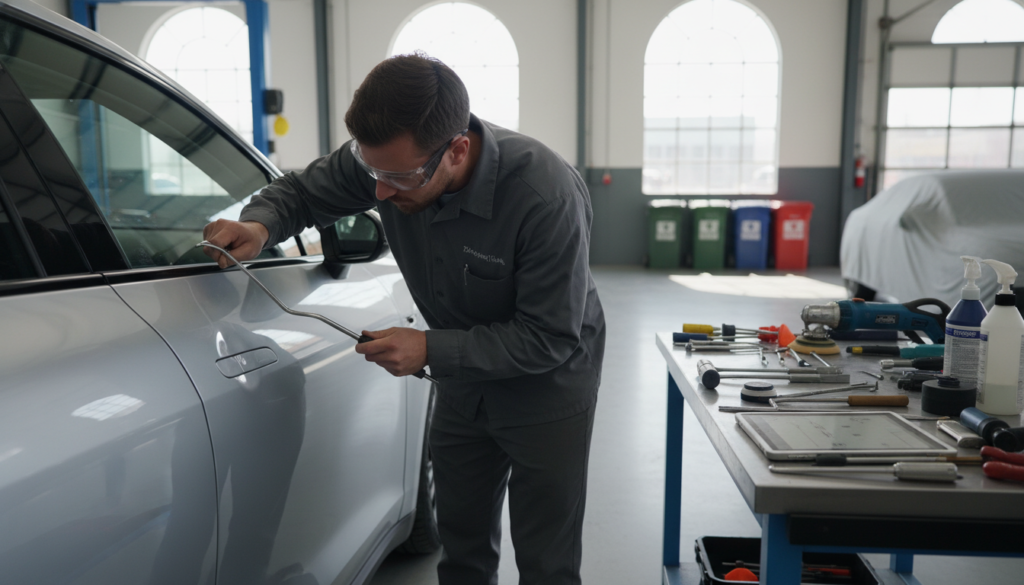
To achieve this, technicians use specialized metal rods and precision tools to apply controlled pressure from behind the panel. By carefully pushing on specific points, we guide the material back to its original shape without cracking the surface.
Types of Damage PDR Can Fix
We can successfully perform dent removal on both aluminum and steel. This technique is highly effective for various real-world scenarios you might face on the road.
- Small door dings from crowded parking lots.
- Widespread hail damage on hoods and roofs.
- Shallow creases that have not stretched the material too far.
- Minor collision damage where the paint is still perfect.
Why PDR Preserves Your Factory Paint
Maintaining your factory finish is the best way to protect your car’s resale value. The paint applied at the original factory is cured under very specific conditions that are hard to replicate in a local shop.
By using paintless dent removal, we ensure the exterior stays as durable as the day you bought it. Technicians use this approach because it honors the integrity of the paint while removing unsightly dents. It is a permanent fix that keeps your car looking great for years.
The Step-by-Step Paintless Dent Repair Process
We believe in transparency, which is why we want to show you the meticulous steps we take to restore your vehicle’s exterior. The professional dent repair process is a blend of art and engineering that requires extreme patience. By understanding our workflow, you can see how we protect your car’s value without using body fillers.
Most minor dings take between one and three hours to complete. However, complex repair jobs, such as heavy hail damage, may require several days of focused work. We treat every vehicle with the same level of precision, regardless of the damage size.
Step 1: Initial Damage Assessment and Inspection
First, a technician examines the damage to see if it is a candidate for PDR. We look for paint cracks or stretched metal that might prevent a perfect finish. This step is vital to ensure the repair will meet our high standards.
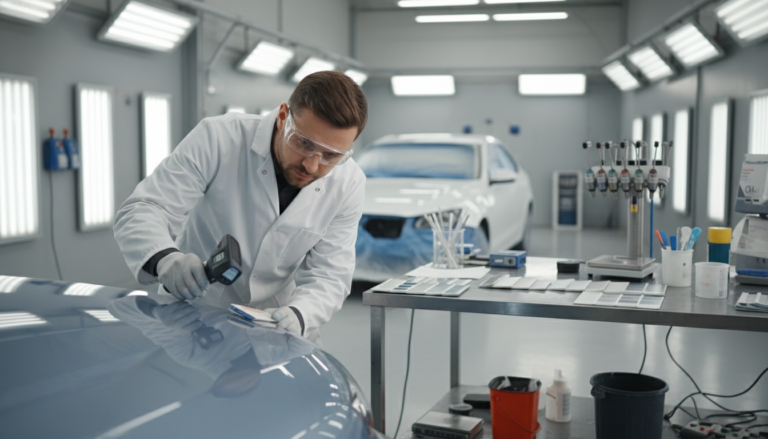
To see every detail, technicians use specialized LED lights or reflective boards. These lights reveal tiny distortions in the panel that are invisible to the naked eye. We determine if we can guide the metal back original without causing any surface stress.
Step 2: Gaining Access to the Dent Area
Once we have a plan, we must reach the backside of the damaged area. This often requires careful disassembly of various vehicle components. We work methodically to ensure no secondary damage occurs during this phase.
- Removing interior door trim or trunk liners.
- Taking out tail lights or headlamps for better reach.
- Peeling back wheel well covers or side panels.
Creating a clear path to the area is essential for success. This access allows us to place our instruments directly behind the center of the impact.
Step 3: Selecting and Applying Specialized PDR Tools
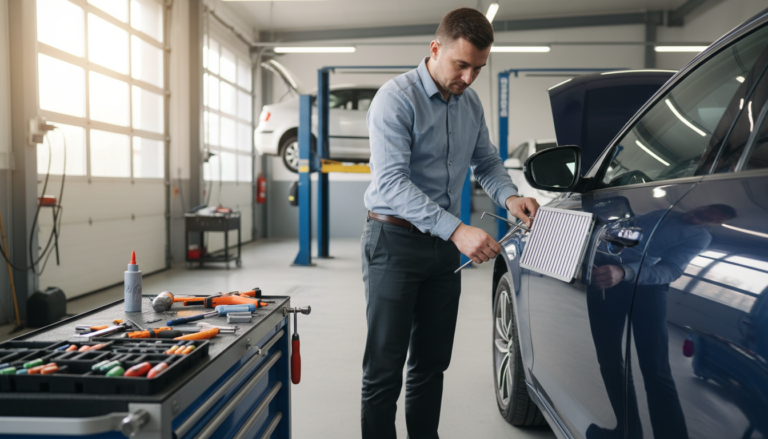
Next, we choose the right equipment for your specific vehicle model and dent location. Technicians use specialized tools including stainless steel rods, hooks, and wire picks. Each tool has a specific curve to reach tight spaces.
These tools allow us to apply gentle, controlled pressure from behind the panel. Sometimes, we also use glue-pulling systems for areas where backside access is impossible. Using these specialized tools correctly is what separates a professional repair from a DIY attempt.
Step 4: Carefully Reshaping the Metal Back to Original Form
This is where the transformation happens. The technician will push dent by dent with incredible precision. We work slowly to move the metal back into its factory position in small, careful increments.
We constantly monitor the light reflections to see how the metal reacts. Our goal is to guide the metal back original so the surface is perfectly flat. By working the metal back slowly, we ensure the panel returns to its back original shape without stretching.
“The secret to a perfect finish is patience; we don’t force the metal back original, we persuade it.”
Step 5: Final Quality Check and Component Reassembly
After we push dent and crease marks away, we perform a final inspection. We view the panel from multiple angles to ensure it has reached its back original shape. We look for any remaining high spots or tiny irregularities.
Once the panel is in its original shape, we begin reassembling your car. Every clip and screw goes back original to where it belongs. Finally, we clean the surface, leaving the car in its original shape with no signs of a dent repair.
| Repair Phase | Action Taken | Estimated Time |
|---|---|---|
| Assessment | LED light inspection | 15-30 Minutes |
| Access | Removing trim and liners | 30-60 Minutes |
| Manipulation | Reshaping the metal back | 1-2 Hours |
Technicians use these steps to provide a seamless repair experience. When the job is done, your vehicle looks as if the damage never happened.
Key Benefits of Choosing Paintless Dent Repair
We believe that understanding the specific advantages of paintless dent repair helps you make the most informed decision for your car’s long-term health. This modern repair method offers several perks that traditional shops simply cannot match. We want to protect your investment while saving you from unnecessary stress.
Preserves Your Original Factory Finish
Your vehicle has a unique factory finish applied under strictly controlled temperature and humidity conditions. This original factory coating is much more durable than any paint applied in a standard shop. By using PDR, we keep the surface intact and prevent concerns about mismatched colors or visible lines.
Faster Repair Times Than Traditional Body Work
A standard car repair often takes several days because of the extensive sanding and curing process. Most PDR jobs take only one to three hours of time to complete from start to finish. You can often drop your car off and have the repair finished before your lunch break ends.
Since the repair does not require new paint, you do not have to wait for chemicals to dry. This efficiency means you can return to your normal routine without the hassle of a rental car.
More Cost-Effective Than Conventional Repairs
Because we do not use expensive materials like body filler, primer, or layers of paint, the total price stays low. These repairs typically cost 50% to 70% less than traditional body work for the same damage. It is an affordable way to fix common door dings without a huge car repair bill.
Maintains Your Vehicle’s Resale Value
Dealerships and private buyers pay premium prices for cars that still have their vehicle original paint. Since paintless dent repair restores the metal from behind the panel, it leaves no evidence of a repair. This keeps your car looking brand new and prevents the repair from flagging on vehicle history reports.
Beyond the technical perks, choosing PDR offers several lifestyle and environmental advantages:
- No environmental waste: This process generates zero paint overspray or harmful chemical runoff.
- Insurance friendly: Many insurance companies prefer this method because lower costs mean lower claims.
- Minimal disruption: You avoid the long-term transportation challenges associated with week-long shop visits.
When Does Paintless Dent Repair Work Best?
We often get asked when a paintless dent is actually fixable versus when it requires a full body shop visit. Generally, this dent repair method works best when the damage hasn’t cracked the surface finish. If the metal can return to its original shape without repainting, you are likely a great candidate for this dent removal service.
Ideal Dent Types and Sizes for PDR
We typically achieve the best results on shallow to medium-depth impacts. These usually range from the size of a quarter up to a grapefruit. As long as the metal isn’t severely creased or stretched, we can usually massage it back original shape.
Hail Damage and Door Dings: Perfect PDR Candidates
Hail damage is often the perfect scenario for a professional paintless dent specialist. A storm can leave dozens of small impacts across a panel, yet the paint remains completely intact. Similarly, dings from a parking lot are usually isolated and easy for us to access for a quick dent removal.
Paint Condition and Metal Type Requirements
The paint must be in good condition with no chips or flaking over the dent area. We perform this dent repair on both aluminum and steel panels, though each reacts differently. Our goal is to ensure the panel looks back original by carefully pushing the surface back to the original shape.
Real-World Scenarios Where PDR Excels
Imagine returning to your car in a grocery store lot and finding a shopping cart dent. Or perhaps you backed into a pole at low speed, leaving a round dent on your fender. These common mishaps are exactly when this paintless dent method helps you get your car back original.
Professional PDR is also the standard for widespread hail damage and minor collision damage that doesn’t require invasive structural work. We find that body line creases often respond well because the engineered lines have a defined memory. When we apply this dent repair technique, your vehicle maintains its integrity and appearance.
| Impact Scenario | Repair Suitability | Desired Result |
|---|---|---|
| Hail damage | Excellent | back original shape |
| Parking dent | Excellent | back original shape |
| Round dent | High | back original shape |
When Paintless Dent Repair Is Not the Right Solution
We cannot solve every impact on your car using only specialized rods and glue pulling techniques. While we love the efficiency of paintless methods, we believe in being honest about the physical limits of the material. Some situations require a traditional approach to ensure your vehicle remains safe and looks its best.
Damage with Cracked, Chipped, or Peeling Paint
If an impact cracks the surface of your vehicle, PDR is usually out of the question. We avoid manipulating the metal underneath broken surfaces because the pressure often causes the damage to spread or flake off entirely.
Once the protective layer fails, the only way to prevent future rust is a traditional body shop refinish. We prioritize the long-term health of your vehicle over a quick fix that might leave the underlying structure exposed to the elements.
Stretched Metal and Sharp Creases
A severe hit can actually stretch the metal beyond its original stamped dimensions. This creates more surface area than the panel originally had, much like how pulling on plastic wrap leaves a permanent, thin distortion that cannot shrink back.
Sharp creases also create a “work-hardened” line where the material has been folded rather than just bent. Attempting to unfold these deep lines often results in visible stress marks or even deep cracks in the paint, even if the general shape returns.
Previously Repainted or Body-Filled Panels
We always check if someone previously fixed your panels before we begin. Aftermarket repair finishes often lack the flexibility and extreme adhesion found in a factory-baked finish from the original manufacturer.
If we try to use glue pulling on a repainted surface, we face a much higher risk of the paint lifting away from the panel. This is why we carefully inspect every surface to ensure our dent repair process will actually succeed without causing more harm.
Dents on Panel Edges and Reinforced Areas
Location matters just as much as the depth of the hit on your vehicle. Dents located on the very edge of a door or near reinforced structural seams are often inaccessible to our specialized hand tools.
The double-layered body structure in these specific zones prevents the surface from moving back into its original shape. In these cases, we will recommend alternative repair methods that involve traditional disassembly or structural replacement to maintain safety.
When to Call a Professional for an Honest Assessment
You should call us the moment you notice a “pointy” dent or a deep scratch inside a ding. We see many real-world scenarios where a simple door ding looks easy, but it actually sits directly over a side-impact reinforcement bar.
Professional car repair experts can tell within minutes if a panel is a valid candidate for our techniques. If we find that a repair isn’t right for your specific damage, we will explain the physics behind the decision and help you find a specialist for matching the car paint perfectly.
We treat every vehicle as if it were our own, which means we never perform a repair that we know won’t last or look professional.
| Condition Type | PDR Suitability | Recommended Action |
|---|---|---|
| Intact Factory Paint | Excellent | Proceed with Paintless Repair |
| Cracked or Peeling Paint | Not Recommended | Traditional Refinishing |
| Sharp Crease or Stretch | Limited/Poor | Professional Consultation |
| Reinforced Edge/Seam | Inaccessible | Conventional Body Work |
Professional PDR vs DIY Dent Repair Kits
We often see vehicles arrive at our shop with more damage from a DIY attempt than from the original impact. While store-bought kits look like a bargain, they often turn a minor fix into a major headache for your car. The technicians use logic and experience that a retail box simply cannot replace.
Why DIY Kits Rarely Deliver Results
Most generic kits sold online lack the precision engineering found in the specialized tools we employ. These consumer-grade products often lack the proper leverage or tip shapes required to reach specific areas.
Online videos make dent removal look like a simple “pop” and you are done. In reality, metal has memory and requires a gentle, controlled massage to return to its original shape.
Common Risks of Attempting the Fix Yourself
A major risk is applying too much pressure and creating “high spots” or waves in the metal. If you force the metal back too quickly, the paint can crack or spiderweb around the impact point.
Cracked paint leads to rust and a much higher repair bill because the panel will eventually need sanding and painting. You might think you are saving a lot of money, but a single mistake can double the final cost.
The Value of Training and Expert Equipment
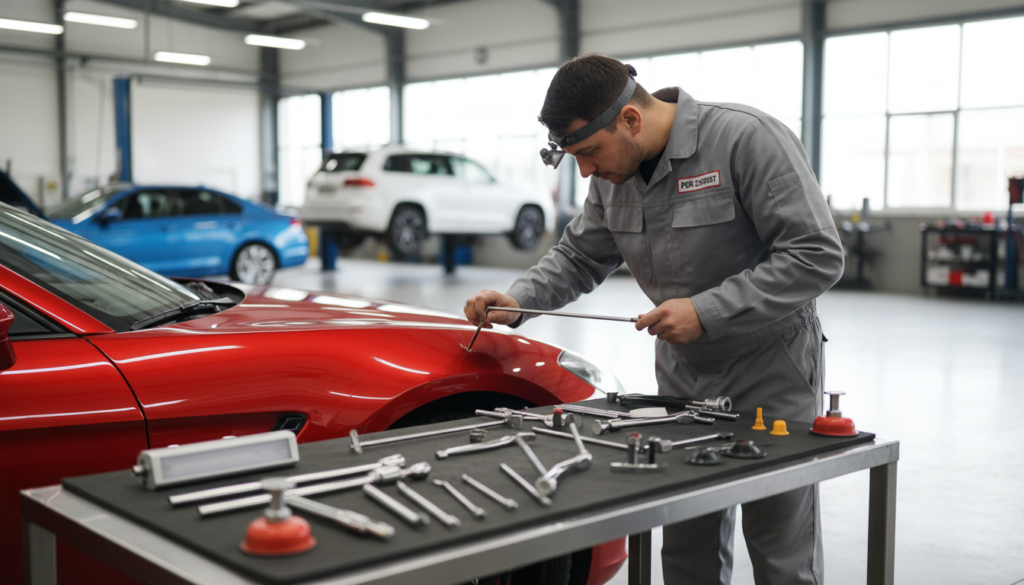
Professional paintless dent repair requires years of hands-on practice to develop tactile sensitivity. We use dozens of different rods and high-end lighting to see every micro-movement in the metal surface.
The specific lighting boards that technicians use reveal tiny distortions that are invisible to the naked eye. Without this equipment, a DIY attempt usually leaves the surface looking uneven or rippled when viewed from an angle.
| Feature | DIY Kit | Professional PDR |
|---|---|---|
| Tool Quality | Generic plastic or thin metal | High-carbon steel tools |
| Lighting | Natural or garage light | Specialized LED reflection boards |
| Outcome | Often visible or uneven | Restores factory appearance |
When to Seek Professional Assistance
Knowing when to put the kit down and call for help will save your car and your sanity. If you are unsure about the damage, it is always better to get a professional opinion before touching the metal.
- The dent is located on a sharp body line or the edge of a panel.
- You see any tiny cracks, chips, or scratches in the paint finish.
- The damage was caused by a large, heavy object like a falling branch or a baseball.
- You are dealing with a luxury vehicle or a car with aluminum body panels.
If you want to ensure a clean repair, follow these practical steps before making a decision. Assessing the situation properly is the first step toward a perfect result.
- Clean the area thoroughly to see the full extent of the dent.
- Look at the damage from several different angles to check for creases.
- Contact us for a professional dent removal assessment to guarantee the results.
“The bitterness of poor quality remains long after the sweetness of low price is forgotten.”
How Much Does Paintless Dent Repair Cost?
We know that cost is a major concern for any car owner, so we want to be transparent about what goes into a professional estimate. Choosing the right repair methods shouldn’t be a guessing game based on internet rumors.
While a traditional body shop might charge a premium for paint and fillers, choosing paintless dent repair often provides a more streamlined repair option. We focus on restoring the metal without unnecessary overhead.
Factors That Influence PDR Pricing
Pricing depends heavily on the specific nature of the damage. We look at several variables to ensure we provide an accurate and fair quote for your vehicle.
- Size and Depth: Larger impacts take more time and expertise to massage back into place.
- Access Points: The location of the dent on the panel determines if we need to remove interior trim or headliners.
- Metal Type: A metal like aluminum is more rigid than steel and requires specialized tools and extra care.
- Quantity: We offer better value when we can address multiple dings during a single appointment.
Typical Cost Ranges for Common Repairs
To help you plan your budget, we have compiled realistic ranges for common dent repair scenarios. These figures reflect the expert labor required to achieve a flawless look without using materials like body filler.
| Type of Damage | Estimated Cost | Repair Time |
|---|---|---|
| Small Door Ding | $75 – $150 | 1 – 2 Hours |
| Medium Crease | $150 – $300 | 2 – 4 Hours |
| Large Single Dent | $200 – $450 | 4 – 6 Hours |
| Extensive Hail Damage | $1,500 – $5,000+ | 1 – 3 Days |
Keep in mind that hail damage estimates vary based on the total number of hits per panel. We always provide a detailed repair breakdown before we start any work.
Insurance Coverage for Hail Damage and PDR
Most comprehensive insurance policies fully cover paintless dent repair. Because this dent repair method is efficient and preserves your factory finish, insurers often recognize it as the preferred choice.
The process is straightforward: you file a claim, and an adjuster inspects the vehicle. Once they issue an estimate, we work directly with them to manage the repair details. Your only out-of-pocket expense is typically your deductible, while the insurance covers the remaining repair bill.
We believe in honest expertise and helping you make the best decision for your car. Our team is here to guide you through the 100% transparent dent repair process from start to finish.
When to Call a Professional and the Risks of Delaying Repair
We often see how a simple dent turns into a major headache because a repair was ignored. Taking action within two to four weeks protects your car from future issues. A quick assessment today keeps your factory finish safe for the long run.
Clear Signs You Need Professional Paintless Dent Repair
You should seek help if you find any dent repair needs larger than a quarter. Multiple small marks from a hail storm are also a clear sign you need an expert. Even small door dings can hide deeper structural damage that needs professional eyes.
Creases along the body lines of your vehicle are especially tricky for DIY attempts. If you were involved in a parking lot incident, we suggest getting a professional quote immediately. This ensures the damage is documented correctly for any potential insurance claims.
What Happens When You Delay Dent Repair
A damaged area acts like a magnet for dirt, road salt, and moisture. Over time, these elements settle into the micro-fractures of the paint. Even if the metal looks fine now, seasonal temperature shifts cause it to expand and contract.
This constant movement can cause the compromised area to crack further. You might face a lot of complications if the metal begins to stretch or warp. Delaying the service only makes the eventual paintless dent process more difficult for a technician.
How Delayed Repairs Can Lead to Rust and Paint Damage
Tiny stress cracks in the paint allow moisture to reach the bare metal. Within weeks, oxidation begins to spread like a hidden infection under the surface. Once rust starts, it is very hard to stop without expensive sanding and repainting.
A simple $150 paintless dent fix can quickly turn into an $800 body shop job. This often happens when owners wait six months and allow corrosion to develop. You can avoid this by scheduling a fender or quarter panel repair before the metal suffers permanent harm.
Impact on Insurance Claims and Vehicle Value
Most insurance policies have strict time limits for filing repairs after a storm. If you wait too long, the insurer may deny your claim. They cannot verify when the damage happened if you wait months to report it.
Furthermore, buyers will offer much less for a car that shows signs of neglect. Visible dents suggest the owner did not take good care of the mechanical parts either. Prompt repairs maintain the highest possible resale value for your investment.
Frequently Asked Questions About Paintless Dent Repair
To help you feel more confident in your decision, we’ve gathered answers to the questions we hear most often at our shop. We believe that providing honest expertise is the best way to help you manage car damage issues. Dealing with a paintless dent can be stressful, but the right information makes the process much smoother.
How long does paintless dent repair take?
The time required for a repair depends heavily on the severity and location of the damage. For a single small dent, we usually need only 1 to 2 hours to finish the work. If your vehicle has sustained significant hail damage, the long paintless dent restoration might take between 2 to 5 days.
| Damage Type | Repair Complexity | Estimated Time |
|---|---|---|
| Small Door Ding | Low | 1-2 Hours |
| Large Grapefruit Dent | Medium | 3-5 Hours |
| Severe Hail Damage | High | 2-5 Days |
Can PDR fix large dents or just small dings?
We can successfully fix large dents up to the size of a grapefruit as long as the metal is not creased. While small dings are simple, a larger dent removal session requires more precision to reshape the panel. These long paintless dent projects take more effort but still provide a factory-quality result.
Will paintless dent repair work on my aluminum vehicle panels?
Yes, this modern technique works effectively on aluminum panels found in many new trucks and SUVs. Aluminum is stiffer than steel, so we utilize specialized long paintless techniques and unique tools to move the metal safely. Our technicians are trained to ensure the metal does not crack during the process.
Does insurance cover paintless dent repair?
Most comprehensive insurance policies cover hail damage through a paintless dent claim. Many insurers actually prefer this paintless dent repair method because it is faster and keeps your original paint intact. You usually only pay your deductible while the insurance company covers the remaining repair costs.
Can I tell where the dent was after PDR is complete?
When our team finishes the job, the results are completely invisible to the eye. You will not see any color mismatch, texture changes, or evidence of the repair on your car. Professional dent removal ensures your vehicle maintains its full resale value without the need for fillers or repainting.
Since this method restores the original metal to its factory shape, the long paintless results are permanent. The metal will not pop back out or fail over time, providing you with total peace of mind for the life of your vehicle.
Conclusion
We believe that protecting your investment’s value starts with knowing the best ways to fix a minor dent. Choosing paintless dent repair is the best way to fix a small dent because it keeps your factory paint untouched. This method saves you time and money while helping your vehicle keep its worth over time.
Not every bit of damage works with this tool, especially if the paint cracks or the metal stretches. Attempting a DIY fix on these spots can lead to costly errors that need a real body shop fix. Our expert crew can look at your car in minutes to give an honest, fair repair price.
Fixing a dent fast stops rust and keeps your insurance options open. We are here to lead you through every step of the repair job with clear transparency. Visit our body shop today for a free look to see if this repair is the right choice for your specific dent.
| Repair Method | Best Used For | Top Benefit |
|---|---|---|
| Paintless Dent Repair | Minor dings and hail damage | Preserves original paint |
| Conventional Repair | Deep creases or chipped paint | Restores structural safety |