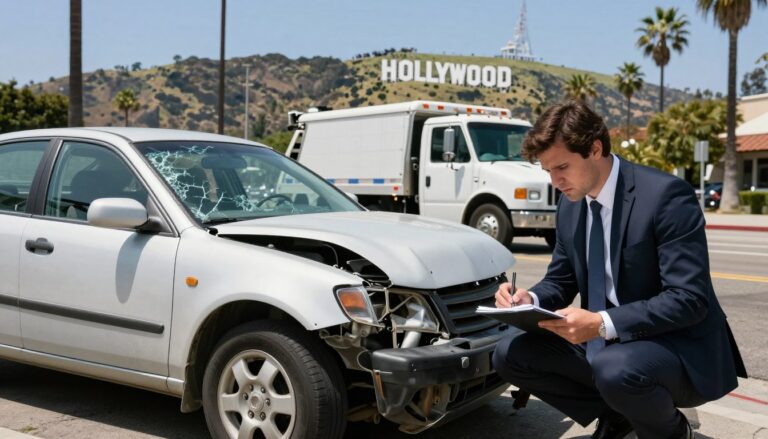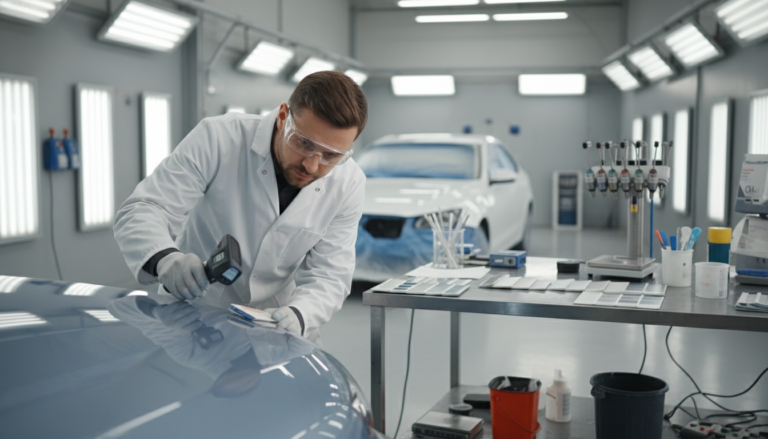
In 2021, over 26 percent of road fatalities in the United States occurred in collisions with fixed objects. This startling statistic highlights why maintaining structural integrity is essential for every vehicle. After a recent accident, you likely feel stressed while assessing the visible impact on your panels. (To learn more about the source of this statistic, click the link to learn more)
We understand the heavy anxiety that hits right after a collision. You are standing there looking at the dented metal and wondering if the issues go deeper than the surface. Think of the chassis as a skeleton that supports the whole body and protects everyone inside.
Even a small bump can cause structural problems that stay hidden from your view. We want to help you identify the signs of frame damage car owners often miss during a quick glance. Your safety remains our top priority during every step of the professional repair process.
This guide gives you the practical knowledge to make smart choices about your vehicle. We explain how to perform basic checks and when to seek a professional inspection at our shop. Understanding these complex repairs helps you protect your family and navigate insurance claims with total confidence.
Key Takeaways
- Structural integrity is vital for ensuring passenger safety during future impacts.
- Minor fender benders often hide significant foundational issues beneath the surface.
- The vehicle frame acts as a protective skeleton for all mechanical components.
- Professional assessments are necessary to find alignment shifts that the eye misses.
- Knowing the state of your car reduces stress and helps with insurance decisions.
- Hidden structural issues can compromise the long-term reliability of your suspension.
What Is Car Frame Damage and Why It Matters
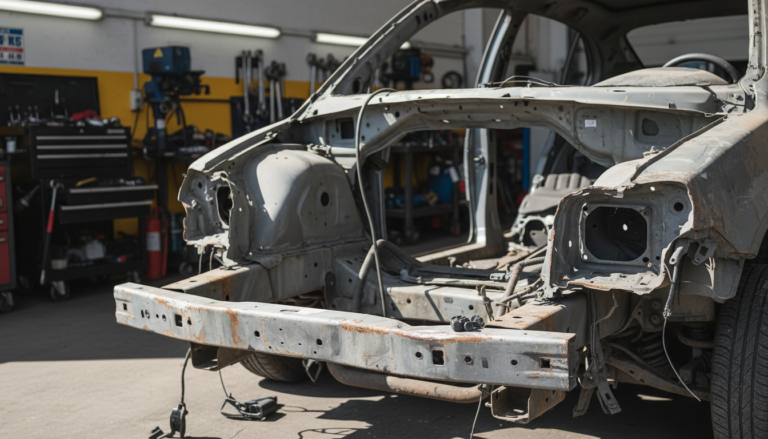
When we talk about car frame damage, we refer to any harm or deformation to the chassis. This part acts as the structural skeleton that supports your entire ride. We often describe the car frame as the backbone of the machine.
It holds the weight of the engine and suspension. It also provides the mounting points for all external body panels. If this structure is bent, the whole car loses its balance and protection.
Understanding Your Vehicle’s Structural Foundation
The car frame serves as the fundamental base for every mechanical part. We see it as the primary defense system for you and your passengers. It is designed to absorb and distribute the force of an impact during a collision.
By managing this energy, the frame ensures the cabin remains intact. Without a solid foundation, the mechanical components cannot function correctly. Even a small shift can lead to major alignment problems or safety issues.
Unibody vs. Ladder Frame Construction
Most modern cars use a unibody design. In this setup, the frame and the body are welded together into one piece. This makes the vehicle lighter and more fuel-efficient while offering great rigidity.
Trucks and large SUVs usually feature ladder frame construction. This consists of two symmetrical beams connected by cross-members. While the unibody is common for city driving, ladder frames are built for heavy-duty towing and off-road durability.
How Frame Damage Compromises Vehicle Safety
When car frame damage occurs, the vehicle no longer distributes stress evenly. This compromise in structural integrity affects how the car handles on the road. It can also cause suspension components to wear out much faster than normal.
The most critical risk involves your safety in a future accident. A weakened structure may fail to protect the cabin if another crash happens. We recommend professional frame straightening and structural repair to restore the integrity of your vehicle.
| Feature | Unibody Construction | Ladder Frame Construction |
|---|---|---|
| Design Style | Integrated frame and body | Separate body on steel rails |
| Common Usage | Sedans, Coupes, Crossovers | Pickup trucks and heavy SUVs |
| Primary Benefit | Lighter weight and better safety | High towing capacity and strength |
| Impact Handling | Uses specific crumple zones | Resists twisting under heavy loads |
Signs of Frame Damage Car Owners Should Watch For
We often tell our customers that signs of frame damage hide in plain sight if you know where to look. While some wrecks leave a car looking like a crushed soda can, others leave behind subtle signs. You should check your vehicle thoroughly after any impact to ensure your driving safety isn’t at risk.
Visible Deformities and Structural Changes
Start your inspection with what you can see directly. Look for obvious crumpling or a fresh dent on the metal rails near the impact zone. Any bending or buckling in these areas is a major red flag that indicates frame damage.

Door and Window Alignment Issues
Have you noticed your doors suddenly require extra force to latch or stay closed? When the body shifts even slightly, windows might stick and the trunk may not line up properly. This usually happens because the mounting points moved due to structural damage.
Try opening and closing every entrance multiple times. If the doors rub against the frame or feel “off,” the chassis is likely twisted. It is vital to address these fitment issues before they become permanent.
Uneven Body Panel Gaps
Walk around the car and check the gaps between the body panels. If the space between the hood and the fender is wider on one side, the frame has likely moved. These signs suggest the internal structure is no longer square or balanced.
| Symptom | What to Check | Potential Impact |
|---|---|---|
| Visual Gaps | Space between panels | Shifted frame damage |
| Closing Issues | Latching doors | Misaligned structure |
| Rubber Rubbing | Window seals | Twisted chassis signs |
Unusual Tire Wear Patterns
Pay close attention to your tires for uneven tire wear patterns like bald spots or cupping. This wear suggests that your wheel alignment is off because of frame damage. This type of tire wear can drastically reduce the lifespan of your expensive rubber.
Poor Handling and Steering Problems
Behind the wheel, you might notice your steering pulling to one side on a flat road. If the vehicle feels unstable during highway performance, the suspension geometry is likely compromised. This handling issue makes the car much harder to control in an emergency.
You should feel a consistent weight in the steering wheel at all times. If the handling feels loose or unpredictable, do not ignore it. Your safety depends on a straight and true chassis.
Strange Noises and Vibrations
Listen for new noises like creaking, squeaking, or rattling when you drive over bumps. These noises often mean metal components are rubbing because of frame damage. You might also feel vibrations through the seat, indicating the frame is out of alignment.
“Even a minor shift in a vehicle’s frame can lead to cascading safety failures over time.”
How to Inspect Your Car for Frame Damage: Step-by-Step
Determining if your car’s structure is weakened doesn’t always require a computer right away. We believe every owner should know how to perform a basic DIY check for hidden structural issues after a collision. While some issues hide deep inside the vehicle, these practical steps help you spot the most common warning signs from your own driveway.
Always remember that your safety is the priority. If your car feels unsafe to drive or the impact was severe, skip these steps and call a professional tow service immediately.
Step 1: Perform a Visual Walk-Around Inspection
Get down low and use a flashlight to scan the undercarriage of the vehicle thoroughly. We recommend looking for creases, rust where paint has flaked, or fresh scratches on the metal rails. These are often the first visible signs of frame stress.
Take your time to look for any distortions or wrinkles on the frame horns. Small wrinkles often signal that the metal rails absorbed a heavy impact. Even minor kinks can affect the overall safety of the chassis.
Step 2: Test Your Vehicle’s Alignment
Find a safe, flat, and empty road to test how the vehicle handles. Drive at a steady, moderate pace and briefly loosen your grip on the wheel. If the car pulls sharply to one side, it indicates a serious alignment issue rooted in structural shifting.
Step 3: Check the Tire Track Test
We often use the tire track test in our shop to spot “crab walking” quickly. Wet all four tires and drive the car straight over a patch of dry pavement. If the rear tire tracks do not follow directly behind the front ones, you likely have frame damage.
Step 4: Inspect Doors, Windows, and Trunk
Open and close every door, the hood, and the trunk multiple times. If they stick, rub against the body, or require extra force to latch, the internal frame has likely moved. This shift creates uneven gaps that make standard parts fail to line up correctly.
During this check, you might also find surface issues that need scratch and minor damage repair. Document every sticking point and gap with clear photos. This evidence is very helpful when you file an insurance claim later.
Step 5: Look for Unusual Wear on Suspension Components
Inspect the shock absorbers and mounting points for signs of stress or new damage. Frame damage often transfers heavy force to these suspension parts. If you see leaking oil or cracked mounts that were fine before the crash, the frame likely took a hit.
While these steps help you find obvious problems, they cannot replace a professional inspection. We use specialized equipment to detect signs car frame misalignments that are totally invisible to the naked eye.
| Inspection Area | What You Can See | Professional Tool Used |
|---|---|---|
| Visual Check | Cracks and large bends | 3D Laser Measuring |
| Drivability | Drifting and pulling | Computerized Alignment |
| Body Gaps | Sticking doors or trunk | Factory Spec Comparison |
| Underbody | Fresh rust or scrapes | Ultrasonic Thickness Gauge |
Common Types of Frame Damage From Collisions
In our shop, we typically categorize structural issues into distinct types based on the accident. Knowing how these failures occur helps you recognize the signs car owners might overlook when vehicles experience a heavy impact. We use precise measuring tools to find these hidden issues after major collisions.
Mash Damage From Head-On or Rear-End Impacts
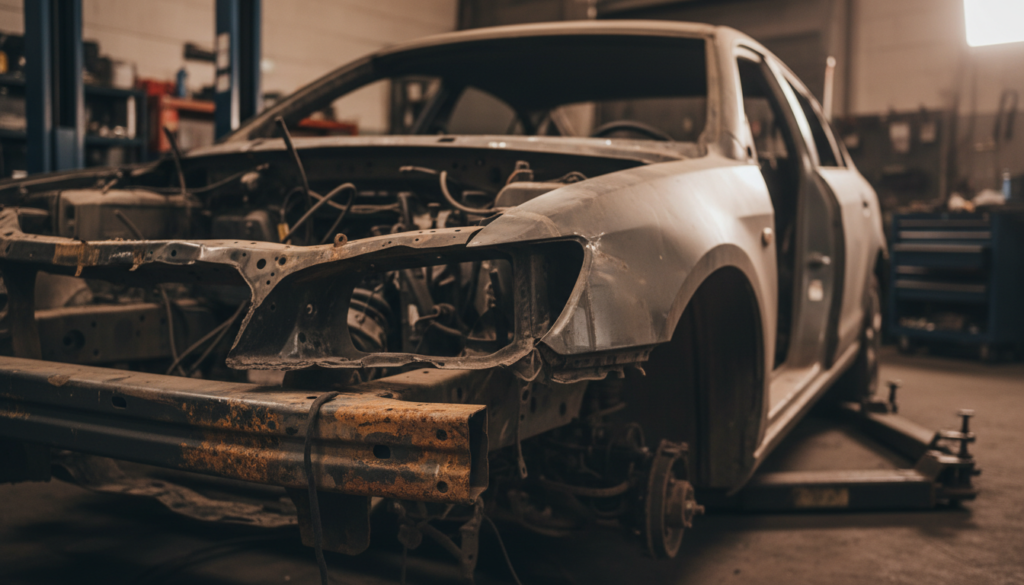
Mash frame damage occurs when a vehicle hits an object directly from the front or back. This collision causes the main rails to crumple inward like an accordion. As the frame shortens, you will see visible wrinkles on the hood, fenders, and frame horns.
Sway (Corner) Damage From Side Impacts
Sway damage is a frequent result of a collision that hits the corner of your car. This force pushes the car frame out of square, which makes the vehicle pull to one side while driving. You might also notice the cabin sits at an odd angle or feel strange vibrations through the floor.
Sagging or Twisted Frame Damage
A sagging frame happens when the middle of the structure bends downward due to stress or a severe impact. This often creates uneven gaps in the body panels and causes parts like doors to lean. A twisted frame is harder to spot but makes vehicles feel very unstable at highway speeds.
After we complete structural repairs, we always ensure that your safety technology is still working. We highly recommend checking your ADAS calibration after collision to keep your sensors accurate. This step is essential for modern safety and your insurance claim requirements.
- Mash damage: This compresses the frame inward, making the car shorter than factory specs.
- Sway damage: This damage results from a corner impact, leading to severe alignment and steering problems.
- Sagging: This creates a “swayback” look that causes doors to stick and puts extra damage on suspension coils.
- Twisted frame: This rotates the metal along its length, which makes the car difficult to control during emergency turns.
When to Call a Professional for Frame Inspection and Repair
We understand that deciding to bring your vehicle into a shop can be stressful after an accident. Our team is here to guide you through the process with honesty and technical expertise.
After Any Collision, Regardless of Severity
We tell every customer the same thing: after any collision—*even minor parking lot bumps*—you should have a professional frame inspection. Even low-speed impacts can shift a vehicle’s structure in ways you cannot see. Our shop experts look for hidden frame damage that could compromise your safety during even minor incidents later.
When You Notice Any Warning Signs
If your car pulls to one side or you see uneven tire wear, do not wait for the problem to vanish. These issues often signal a serious need for frame repair. Bring your vehicle to us so we can diagnose the actual issue using specialized tools.
Before Filing an Insurance Claim
We suggest getting an estimate before you finalize your insurance claim. This documentation ensures the insurance adjuster accounts for all necessary repair costs. A quick visual assessment by an adjuster often misses deep structural problems that we find during a full check.
What Professional Inspection Involves
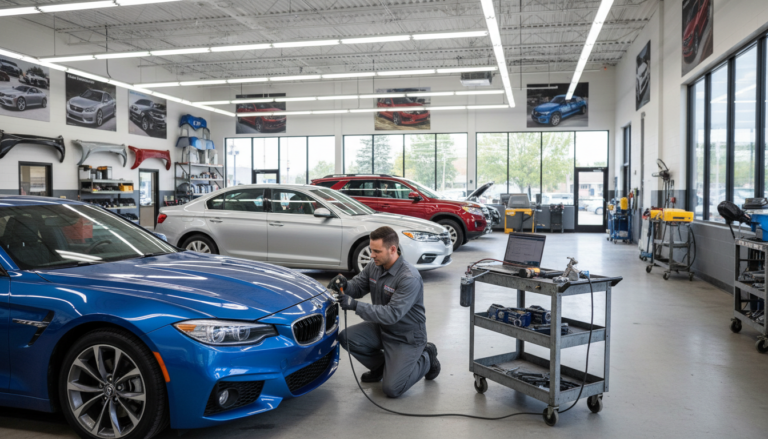
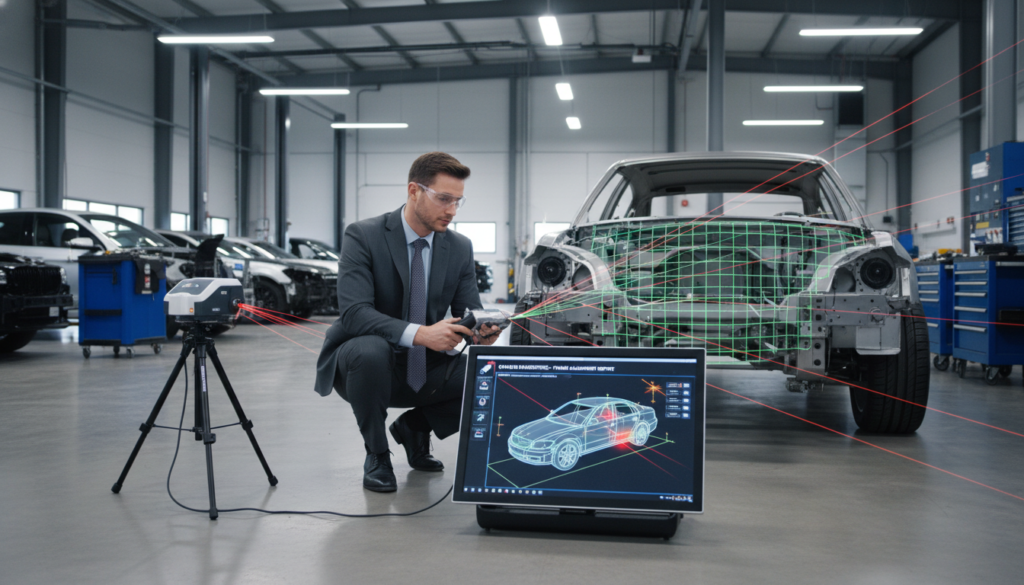
Professional inspection involves using computerized measuring systems to analyze your car. These tools compare your current state to factory measurements down to the millimeter. When you bring your car to our shop, we use sensors and a frame rack to reveal frame damage that is invisible to the eye. Choosing a reputable repair shop with certified technicians ensures your insurance provider receives accurate data for your case.
Risks of Delaying Frame Damage Repair
We often see how delaying structural repairs turns a manageable fix into a total loss for many cars. When a car frame is bent or twisted, the vehicle no longer absorbs energy as engineers designed it to. This creates serious performance issues that only get worse with time.
Ignoring these signs is a gamble that rarely pays off for your wallet or your well-being. We understand that deductibles create financial pressure, but waiting can lead to dangerous outcomes. Addressing the problem early is the only way to ensure your car remains reliable.
Compromised Safety for You and Your Passengers
Your safety depends on the structural integrity of your car during an impact. A compromised frame means crumple zones may fail or airbags might not deploy correctly on the road. Driving with these problems puts everyone in the cabin at greater risk for their safety.
A weakened structure also leads to sudden breakdowns of critical components. Parts like the drivetrain or engine mounts may fail unexpectedly because they are under constant stress. We have seen too many cases where a second accident caused much more harm because the first wasn’t fixed.
Insurance and Legal Complications
Dealing with insurance can become a nightmare if you ignore structural damage. If you are in another collision, your insurance company might deny or reduce your claim. They often argue that the issues were pre-existing and you failed to maintain a safe vehicle.
You could also face legal liability if your car’s mechanical problems cause a loss of control. Driving a car that violates safety standards puts you in a difficult legal position. It is always better to have a professional repair on record to protect yourself.
Escalating Repair Costs and Value Loss
What starts as a $2,000 frame repair can balloon into an $8,000 bill if you wait. Cascading issues spread to the suspension and steering systems over time. Misalignment ruins tires quickly and forces you to spend more on fuel due to poor handling. Contact us at Naz Motorsport to get a realistic quote.
Resale value also takes a massive hit when structural damage is found during a pre-purchase inspection. Buyers typically walk away, and dealers will only offer wholesale prices for the car. Addressing the damage promptly preserves the equity you have in your car.
| Impact Factor | Immediate Action | Delayed (6+ Months) |
|---|---|---|
| Estimated Cost | $2,000 – $3,500 | $5,000 – $8,500+ |
| Tire Longevity | Standard (50k miles) | Poor (15k miles) |
| Resale Value | Maintained | 20% to 40% Loss |
| Structural Integrity | Restored | Risk of Metal Fatigue |
Conclusion
Managing the aftermath of a collision is stress, but understanding your car’s structural integrity shouldn’t be. Your vehicle‘s frame serves as an indispensable backbone, supporting everything from passenger weight to driving performance.
We have walked through the signs car frame problems may exist, such as door alignment issues or uneven tire wear. Whether your cars use a modern unibody repair solution or traditional frames, ignoring force-related frame damage leads to high maintenance costs over time. Every car needs a solid foundation to protect its occupants effectively.
Don’t let a small dent or poor handling compromise your safety on the road. Our team uses specialized tools and inspections to identify frame damage in modern vehicles. We are here to provide the honest expertise and quality workmanship you need to drive with confidence again.
| Frequently Asked Questions | Professional Answer |
|---|---|
| Is my car totaled if it has frame damage? | Not necessarily. Many modern vehicles can be safely repaired using precision alignment equipment if the cost does not exceed the car’s value. |
| Can I drive with a bent frame? | We strongly advise against it. A compromised frame affects steering, tire wear, and your car’s ability to protect you in another accident. |
| How long does a frame repair take? | A standard repair typically takes a few days to a week, depending on the severity of the damage and parts availability. |
| Will my insurance cover frame repairs? | Yes, most collision insurance policies cover frame restoration. We can help you navigate the claim process to ensure your vehicle returns to factory specs. |