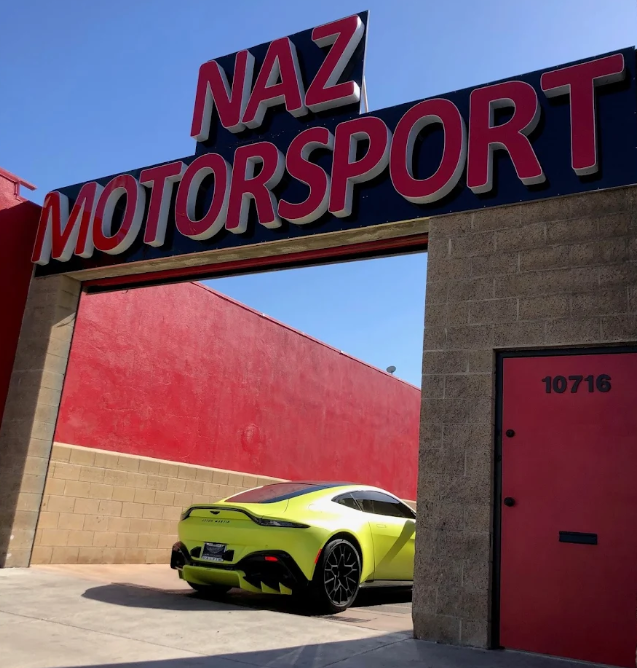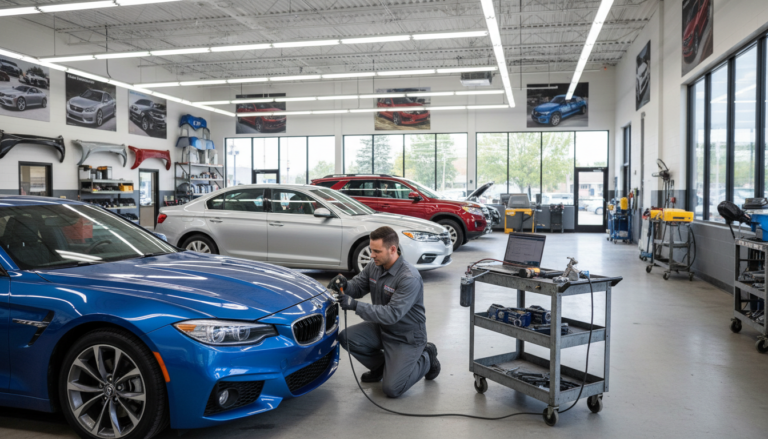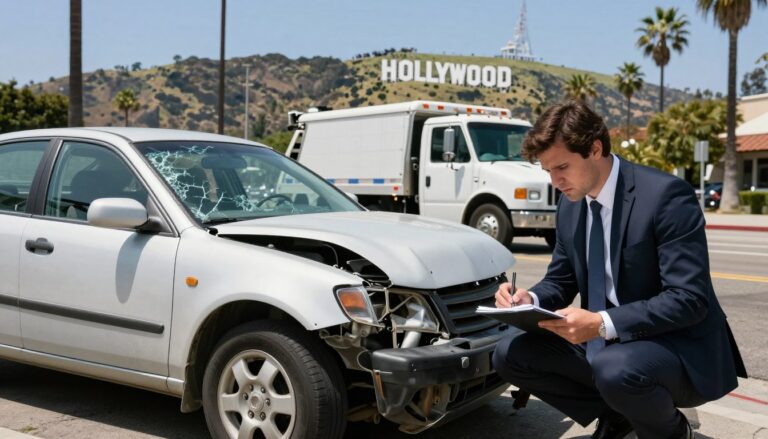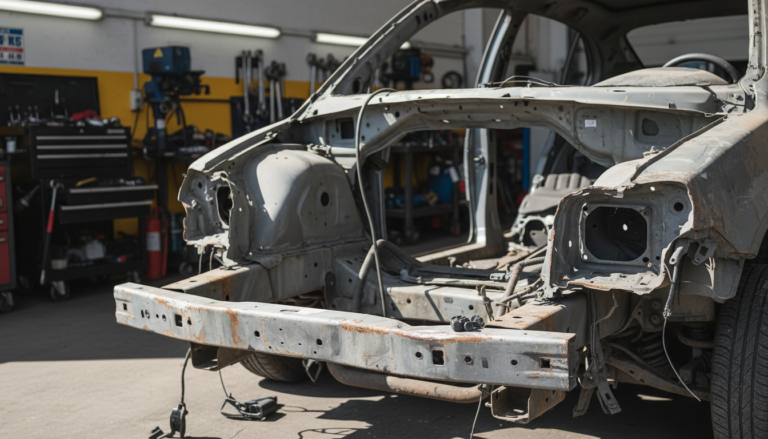
Getting into an accident in Los Angeles is stressful, and the first shock often comes when your insurance estimate covers less than the full repair cost.
At Naz Motorsport of North Hollywood we see this every week — especially with Tesla owners. The short explanation: insurance companies frequently price only visible damage, apply lower labor rates, or push aftermarket parts. That creates a gap between the carrier’s number and the real work a qualified body shop must perform to restore your vehicle safely to manufacturer standards.
Los Angeles and the San Fernando Valley commonly show higher-than-average labor and parts costs compared with national estimates — a difference that shows up in North Hollywood claims. For electric vehicles like Teslas the gap can widen further because of ADAS sensors, aluminum body panels, and high-voltage battery or enclosure work that require OEM parts and special procedures. You pay insurance premiums expecting fair repairs; when an initial estimate looks low, question it and get a documented teardown so the full scope is visible to your adjuster.
At our North Hollywood facility we guide customers through negotiations, produce itemized teardown documentation that highlights hidden damage, and explain repair options clearly so you understand the difference between the insurer’s figure and the shop’s estimate. For technical detail on panel repair and radius work, see our note on secondary outer radius. If you bring your Tesla or other vehicle to Naz Motorsport of North Hollywood we will prepare a free VE‑Teardown packet you can present to your adjuster — specifically tailored for EVs when needed.
Key Takeaways
- Insurance estimates often show visible damage only; that initial number frequently understates the true repair scope.
- Local market rates in Los Angeles / North Hollywood can push repair costs above insurer averages — ask for local labor-rate data.
- Don’t accept the first check as final—teardowns commonly reveal hidden damage that requires supplements.
- Naz Motorsport documents, negotiates, and helps ensure repairs meet manufacturer procedures and safety standards, especially for ADAS and battery-related items.
- As a policyholder you can question low offers and choose a certified body shop to protect your vehicle’s safety, warranty, and resale value.
Understanding the Gap Between Estimates
What looks minor at first glance often hides complex repair needs that only a professional inspection and teardown will reveal—this is especially true for Teslas and other modern vehicles with ADAS and high-voltage systems.
An adjuster from an insurance company may record visible dents and scratches and produce a quick estimate using automated estimating software. That estimate is a starting point, not the final bill—particularly in North Hollywood, where local labor and parts costs frequently exceed national averages and insurer databases.
When Naz Motorsport of North Hollywood inspects a vehicle we perform a controlled teardown of the affected area. Teardown reveals structural issues, alignment needs, sensor or bracket damage, high-voltage wiring or battery enclosure concerns on EVs, and parts that must be replaced rather than repaired—items an adjuster’s visual review or software line item can miss.
Many insurers and estimating platforms (CCC, Mitchell, Audatex) rely on national or regional averages and algorithmic pricing that may not reflect certified shop procedures or local labor rates. That mismatch between insurer assumptions and a shop’s documented process is a primary reason estimates and final repair costs differ.
We document every hidden item—photos, part numbers, and required procedures—so you and the insurer see why professional repairs cost more and why safety matters.
| Typical SourceCommon FindingsWhy Numbers Differ | ||
| Adjuster review | Visible dents, paint scratches | Quick appraisal using estimating software and national averages |
| Professional shop (Naz Motorsport) | Mounts, structural damage, sensor brackets, hidden parts | Teardown uncovers hidden damage; certified repair procedures and local labor rates applied |
| Regional shops | Higher labor rates, specialized tools, OEM part sourcing | Market and quality-focused pricing that reflects local costs |
In our North Hollywood shop, a teardown leads to a supplement on roughly one-third to one-half of claims (Naz Motorsport can provide exact figures from our records on request). To make the gap concrete for adjusters and policyholders, we recommend adding a simple chart comparing the insurer’s initial estimate (visible-only), Naz Motorsport’s post-teardown estimate, and the North Hollywood market average for similar repairs — this visual makes differences immediately clear.
What to do next (North Hollywood Tesla owners): request a VE‑Teardown from your shop, ask for OEM part quotes (and an aftermarket alternative), and deliver the photo packet to your adjuster. Need help? Request Naz Motorsport’s free teardown photo packet and itemized supplement template tailored for Tesla vehicles to accelerate insurer review and increase the chance of approval for OEM parts and proper manufacturer procedures.
Why Your Insurance Estimate Is Lower Than the Repair Cost
A quick walk-around rarely uncovers the hidden costs that follow a collision. Initial inspections are useful, but true repair needs often only appear after controlled disassembly and diagnostic checks—especially on modern vehicles and Teslas with ADAS and high-voltage components.
Initial Visual Appraisals
An adjuster from the insurance company may note visible dents and paint scratches and produce a fast estimate. That number frequently misses mounts, sensor brackets, internal supports, and subsystems (cooling, lighting, ADAS) that sit behind panels and require additional parts and labor. Insurance estimating platforms and databases are a starting point, not a final repair scope.
Illustrative example: a recent North Hollywood drive-in appraisal produced an insurer’s initial estimate of $2,200 for visible front-end damage. After teardown and diagnostic scans at Naz Motorsport the documented repair plan totaled $3,500 because a sensor bracket, hidden mount damage, and a radiator line required replacement. We submitted an itemized supplement with photos, part numbers, and labor hours so the repair shop could complete safe, manufacturer‑specified repairs. (If you want exact case details from our files, Naz Motorsport can provide records on request.)
Repair shops document every hidden item—part numbers, labor time, photos, and required manufacturer procedures—so supplements clearly show the real work and the parts needed. That documentation is the primary tool to close the gap between an adjuster’s visible-only estimate and the full repair total.
Policy Limitations
Policy language, limits, and deductibles shape how much an insurance company will pay. Low property damage limits for an at-fault driver, restrictive replacement-parts clauses, or depreciation rules can cap a claim regardless of actual vehicle needs.
Many insurance companies recommend or allow aftermarket/recycled parts to control costs. California law requires disclosure in certain circumstances, but insurers can still prefer aftermarket options. If your policy or preference specifies OEM parts, Naz Motorsport documents that requirement and includes OEM part quotes and manufacturer procedure notes to support the claim.
“We document every piece of damage so customers can challenge low offers and get safe, complete repairs.”
Policy checklist (what to look for):
- Parts clause: does the policy allow aftermarket, aftermarket substitution, or require OEM for safety items?
- Deductible and limits: what maximum will the insurer pay for property damage?
- Total-loss threshold: at what point does the insurer consider the vehicle a total loss?
- Salvage rules and depreciation: how are used parts and prior damage handled in valuation?
Want help reviewing your policy language? Naz Motorsport of North Hollywood offers a free policy-review checklist specifically for Tesla owners that highlights OEM/aftermarket clauses, deductible impacts, and steps to preserve your right to OEM parts and certified repairs. Call us to get the checklist and a short consultation about your claim.
The Role of Hidden Damage in Collision Repair
Hidden problems inside a damaged panel are the single biggest reason repair costs rise above an insurer’s initial estimate. This is particularly true for Teslas and other modern vehicles where sensors, aluminum structures, and high-voltage components sit behind exterior surfaces.
Hidden damage—cooling lines, sensor brackets, mounting points, frame rails, and EV-specific items like battery enclosure mounts or HV wiring—often sits behind exterior panels and is not visible in a quick walk‑around. At Naz Motorsport of North Hollywood, hidden damage is the most common reason we submit a supplement after teardown.
Our repair shop performs a controlled, documented disassembly of the affected area: technicians remove bumpers, fenders, trim, and subcomponents to inspect mounts, welds, and internal supports. That teardown uncovers structural or mechanical issues that change the scope of repairs, parts required, and labor hours—especially when manufacturer repair procedures require OEM parts or special tooling.
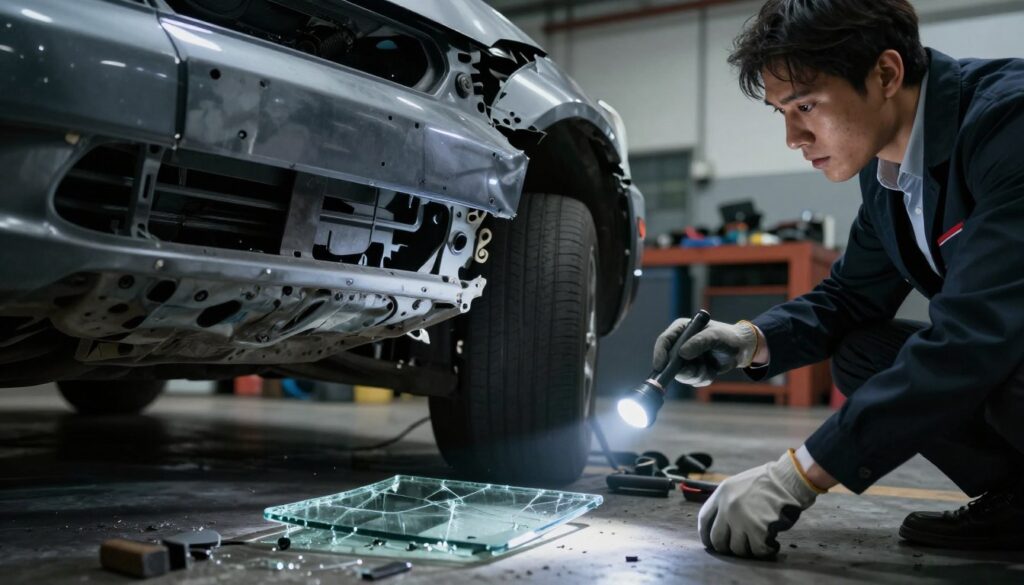
We take high-resolution photos, record part numbers (OEM vs aftermarket options), log diagnostic scan results, and note required manufacturer procedures such as ADAS recalibration or HV-system safety steps. That teardown packet is delivered to you and the insurer so the carrier clearly sees why supplemental repairs and additional parts are necessary.
“We document every step so owners know the work is necessary and their vehicle is safe.”
- Many drivers are surprised when structural damage appears only after panels come off—teardown reveals issues that a visual estimate misses.
- Without teardown, an initial estimate will often fall short of the real repair total because internal parts and labor time aren’t included.
- Naz Motorsport documents everything—photos, parts, labor time, and required manufacturer repair procedures—so you don’t get stuck paying for missed repairs later.
Ignoring hidden damage risks driving a vehicle that is not structurally sound and can compromise safety systems like airbags and ADAS. For North Hollywood Tesla owners, our EV-specific checklist includes high-voltage isolation verification, battery enclosure inspection points, ADAS sensor location photos, and recommended diagnostic scans.
To help customers and adjusters, Naz Motorsport provides a free teardown packet you can give your adjuster plus a downloadable checklist showing the photos and data points insurers expect (what to photograph, where to capture VIN/part numbers, and what diagnostic scans to run). If you want a local statistic or an illustrative infographic showing the percentage of claims with hidden damage discovered after teardown, request our North Hollywood data set and we’ll include it with your packet.
Navigating Labor Rates and Parts Disagreements
Differences in part selection and hourly labor charges are two of the most common reasons a repair stalls between an insurance company and a shop. Understanding how those lines are built helps you make informed decisions quickly and preserve your vehicle’s safety, warranty, and resale value.
Parts matter. Naz Motorsport of North Hollywood insists on OEM parts whenever the manufacturer requires them for fit, crash performance, or warranty preservation. Aftermarket or recycled parts can reduce upfront costs, but they may have fitment variances or omit safety features that modern cars — and Teslas in particular — rely on.
OEM vs Aftermarket Parts
OEM parts match what came on your car from the factory and generally preserve long‑term value and crash performance. Aftermarket parts vary in quality: some meet or exceed OEM standards, many do not. For Tesla owners, common OEM items that affect safety and fit include sensor modules, ADAS brackets, and aluminum body panels. When an insurance company pushes aftermarket or recycled parts, Naz Motorsport documents fitment differences, provides OEM part quotes, and explains the safety and resale implications so you can make an informed choice.
Prevailing Labor Rates
Labor rates are another frequent dispute. Many insurers apply a “prevailing” or averaged rate that may not reflect local market conditions, certified technicians, or the specialized equipment needed for modern repairs (welders, fixture tables, paint booths, ADAS calibration rigs).
At Naz Motorsport we provide certification records (I‑CAR, OEM training), published local rate comparisons, and rate sheets to justify our labor lines when an adjuster questions them. In North Hollywood the shop labor rate for certified structural or ADAS work commonly runs higher than the insurer’s database average; we include that market data in supplemental requests.
Manufacturer Repair Procedures
Manufacturer procedures frequently add labor and sublet requirements: scans, module programming, sensor calibrations, weld testing, and specific torque/welding processes. Skipping these steps can leave ADAS systems uncalibrated and compromise occupant safety.
“We document required procedures so carriers see why certified repairs cost more—and why your safety depends on them.”
- We supply photos, OEM procedure references, and part numbers when parts or labor lines are questioned.
- We offer a parts-preference checklist (OEM vs aftermarket) and will provide OEM part quotes you can include with a supplement.
- If an insurer refuses OEM coverage, we document the safety risks and provide clear next steps and cost comparisons so you can decide.
Practical packet items to request from your shop: an OEM part quote, an aftermarket alternative quote, the added labor hours for manufacturer procedures (scans/calibrations), and the specific certification that justifies the labor rate. Naz Motorsport can prepare that packet for your adjuster; including those items increases the likelihood of approval for OEM parts and the correct labor rate.
Example (illustrative): an insurer’s assumed part price for a front sensor assembly might be $450 (aftermarket), while a Tesla OEM sensor and bracket (with required calibration sublet) could total $1,250 once parts, labor, and calibration are included. Ask Naz Motorsport for local OEM vs aftermarket examples specific to your Tesla model — we can produce a small comparative table or bar chart for your claim packet.
What to ask your adjuster: request the labor rate they used, whether they allow OEM parts for safety items, and whether calibration/sublet costs were included. What to ask your shop: provide an OEM parts quote, an aftermarket alternative, certification evidence (I‑CAR, OEM training), and a line-by-line labor explanation that includes manufacturer procedures.
Assessing Your Rights as a Policyholder
You do not have to accept a low payout or be forced to use a particular repair facility after an accident in California. Learn more about your rights by clicking the link here.
As a policyholder you generally have the legal right to choose your repair shop. Your insurer’s obligation is to reasonably restore your vehicle to its pre-accident condition; that obligation includes paying for necessary parts, repairs, and manufacturer‑specified procedures consistent with your policy language. For Tesla owners, double-check warranty or dealer program language that may affect required OEM procedures or approved repair sources.
If you believe an insurance company or adjuster is not acting in good faith, request a formal review and gather documentation. Naz Motorsport of North Hollywood helps customers prepare photos, teardown notes, OEM parts lists, and labor breakdowns to support a supplement, formal dispute, or appraisal with the insurer.
“Read your policy documents carefully so you understand parts and repair choices.”
We stand with customers who refuse low offers. Our team documents required work, cites manufacturer procedures, and submits clear evidence so insurers understand why full repairs are needed to preserve safety and your vehicle’s value.
| RightWhat It MeansHow We Help | ||
| Choose repair facility | Select a certified shop (you are not required to use the insurer’s shop) | Naz Motorsport provides credentials, certifications, and photos to the adjuster |
| Restore pre-accident condition | Vehicle returned to prior safety, fit, and function | We document hidden damage and required manufacturer procedures |
| Formal review | Dispute claim valuations or pricing decisions | We compile evidence, prepare supplements, and submit supporting documentation |
Sample script to your adjuster: “I understand my policy requires restoration to pre‑accident condition. I have a certified shop estimate and a VE‑Teardown packet showing OEM parts and necessary calibrations — please advise how these will be reviewed and the expected timeline.” Ask the adjuster to confirm the labor rate used and whether OEM parts and calibration sublets were included.
Need help? Naz Motorsport offers a free, Tesla‑specific policy‑review checklist for North Hollywood residents that highlights OEM/aftermarket clauses, deductibles, and steps to preserve your right to OEM parts and certified repairs — call us to request the checklist and a short consult.
Practical Steps to Request a Supplemental Claim
Documenting repairs quickly and thoroughly gives you the strongest basis to request additional payments. Take action shortly after teardown so the carrier can see why extra work is needed and approve the supplement — this is particularly important for Teslas where ADAS calibrations and HV‑system checks are involved.
Documenting the Repair Process
Naz Motorsport begins with an itemized report listing all hidden damage found during disassembly. The itemized list must show part numbers, OEM vs aftermarket options, labor hours, and manufacturer procedures required for safe repairs — these details are essential when submitting a supplement to an insurance company or adjuster.
Next, we compile time‑stamped photos, diagnostic scan reports (including ADAS and HV checks for EVs), OEM procedure citations, and any manufacturer position statements. These materials form strong evidence for the insurer and speed review.
- Ask your repair shop for a detailed, itemized estimate that includes hidden damage discovered during teardown and lists OEM part numbers where applicable.
- Keep time‑stamped photos and diagnostic scan reports. Save copies of all shop reports and the teardown packet (Naz Motorsport provides EV‑specific photo checklists).
- Contact your adjuster with the updated repair plan and formally request a supplement based on the shop’s findings.
- Keep a written communication log of every call, email, and name of the representative you spoke with at the insurance company.
- Do not agree to pay the difference out of pocket until you’ve exhausted appeals and supplement discussions (consult Naz Motorsport for help submitting documentation first).
| What to ProvideWho Provides ItWhy It HelpsExpected Result | |||
| Itemized estimate with hidden damage | Repair shop / body shop | Shows full scope of repairs, parts, and labor | Basis for supplement approval |
| Photos and scan reports (ADAS/HV where applicable) | Technicians | Visual and diagnostic proof of internal damage and system faults | Faster adjuster review |
| Manufacturer statements / OEM procedure notes | Shop / OEM documents | Proves certain repairs or calibrations are mandatory for safety | Stronger claim with insurer |
| Communication log | Vehicle owner / shop | Documents dates, names, and insurer responses | Useful if disputes escalate |
“We handle the supplement process for you and send the insurer every piece of documentation needed to authorize full repairs.”
Downloadable templates Naz Motorsport can provide for Tesla and other EV owners:
- Sample itemized estimate format with Tesla part-number examples and labor lines (illustrative).
- Cover email template to submit to your adjuster with attachments (estimate, photo packet, OEM procedure notes).
- Communication‑log template to record calls, dates, and representative names.
- EV checklist: ADAS calibration receipts, HV isolation verification, battery enclosure inspection points, and required diagnostic scans.
Naz Motorsport of North Hollywood offers a downloadable supplement checklist and will prepare and submit the supplement on your behalf if you choose—contact us to learn how we can represent you with the adjuster and reduce paperwork and delays.
When to Call a Professional for Help
When an adjuster’s answers leave you with questions, a professional advocate can step in and cut through the confusion — especially when dealing with local North Hollywood insurers and body shops.
Call Naz Motorsport of North Hollywood if the carrier repeatedly denies necessary repairs, rejects your repair shop’s teardown findings, or pressures you to use an unfamiliar facility. We move quickly to document teardown results, prepare an itemized supplement packet, and present clear technical reasoning so your case can move forward.
If the claims process feels overwhelming, we can represent you in communications with the adjuster and insurer (note: we provide technical and administrative representation, not legal counsel). Our team will handle calls, paperwork, and technical explanations, saving you time and reducing stress.
Pressure to use a shop you don’t trust or to accept aftermarket parts for safety items is a clear sign to call us. We verify certifications, provide OEM vs aftermarket comparisons, and explain why certain repairs or calibrations matter for safety and resale value. For Tesla owners, immediate triggers include battery/enclosure work, ADAS sensor disputes, or aluminum structural weld questions — call before agreeing to repairs.
When safety concerns involve frame damage, HV‑battery work, or sensor calibration, don’t delay—professional action protects you on the road.
- Denied repairs or disputed findings from your insurer
- Overwhelmed by claims steps and paperwork
- Pressure to use an uncertified shop or accept non‑OEM parts
- Significant safety items (frame, airbags, ADAS, battery) are in dispute
| TriggerWhat We DoExpected Outcome | ||
| Carrier denies teardown items | Provide photos, itemized labor and parts, OEM procedure notes, and local labor rate justification | Supplement approval or clarified scope |
| Pressure to use an unfamiliar shop | Verify credentials, certifications (I‑CAR, OEM), and explain risks of non‑certified repairs | You choose a certified repair provider |
| Safety systems disputed (ADAS, battery, frame) | Document required calibrations, scans, and tests with OEM references | Repairs completed to manufacturer standards |
“We step in to present facts, protect your rights, and make sure repairs meet proper safety and quality standards.”
North Hollywood residents: if you need immediate help, call Naz Motorsport at (747)444-0040 to request an evening or weekend consult — we prioritize cases involving ADAS, battery, or frame safety issues.
Risks of Delaying Necessary Vehicle Repairs
Waiting after an accident can increase parts, labor, and the total cost required to make a vehicle safe. Small issues that are left unaddressed often worsen into larger mechanical or structural problems, driving up final repair costs.
Postponing repairs can also create coverage issues: an insurer may question neglect if new damage appears while the vehicle sat unrepaired, which can complicate or reduce your claim payment. Prompt documentation of the vehicle’s condition helps protect your position with the insurer.
Driving with hidden faults is a major safety risk. Airbags, sensors, and ADAS features may fail or behave unpredictably in a subsequent collision if calibrations and manufacturer procedures aren’t completed.
- Secondary problems like corrosion, electrical shorts, or water intrusion can develop and dramatically raise repair costs—especially on EVs where battery and high‑voltage components are exposed.
- Labor and parts prices may increase over time, changing previously quoted rates and widening the gap between insurer estimates and shop costs.
- Unfixed damage can cause new mechanical issues that make the vehicle unsafe or unusable.
“We prioritize quick inspections and clear documentation so long-term issues don’t grow into larger safety problems.”
For North Hollywood Tesla and EV owners: delays can increase the risk of battery-pack issues, connector corrosion, and ADAS misalignment. Get your car checked as soon as possible by a qualified team to limit additional damage and preserve coverage.
For fast, documented action, see our services so repairs start before costs and issues get worse. Naz Motorsport of North Hollywood offers a no‑charge initial consultation to review your estimate, explain likely supplements, and recommend next steps.
Negotiating with Insurance Adjusters and Repair Shops
Precise documentation reduces insurer pushback. Start every conversation with teardown photos, an itemized list of parts (OEM part numbers where applicable), labor hours, and manufacturer procedure notes so the carrier has less reason to deny valid work or lowball the payment.
Stay calm and fact‑focused. An evidence‑first tone helps when speaking to an adjuster or insurance company representative; emotional debates rarely change technical findings and can slow progress.
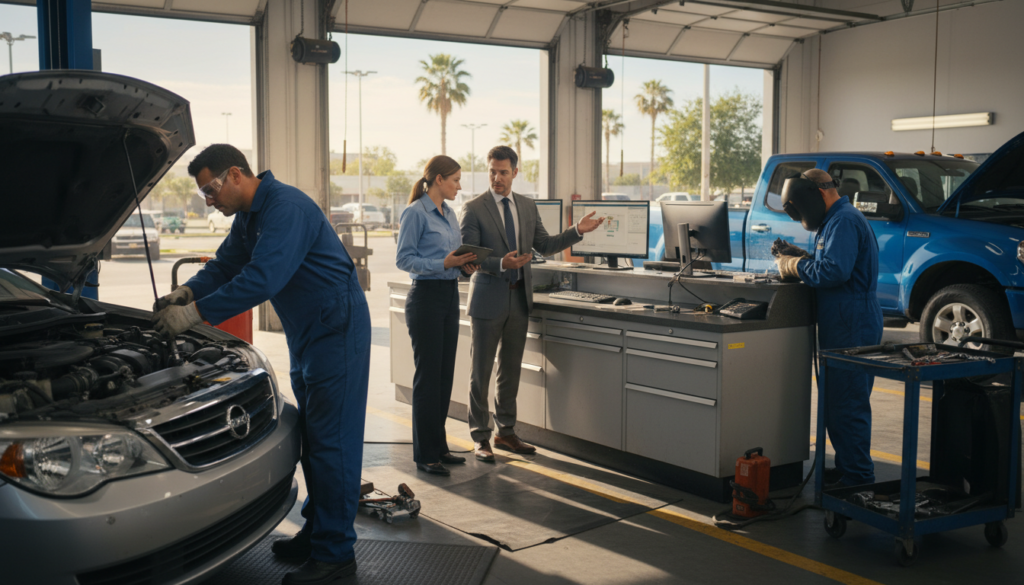
We act as your advocate: Naz Motorsport explains why specific repairs and calibrations are needed and shows evidence when an insurance company questions a line item. If an insurer pushes back, we send photos, OEM procedures, and time‑stamped logs to reduce back‑and‑forth and strengthen your claim.
What to include in your packet
- Teardown photos with captions and timestamps (show VIN/part location where possible).
- Itemized estimate with OEM part numbers and a labeled aftermarket alternative.
- Diagnostic scan logs and ADAS/HV test results (for Teslas, include battery/HV isolation checks and sensor calibration records).
- Manufacturer repair procedure citations and any OEM technician certification proof (I‑CAR, OEM training).
- Communication log of calls/emails with the insurer and adjuster names/dates.
Sample negotiation script (adapt for your case)
To the adjuster, via email:
“Attached is the Naz Motorsport VE‑Teardown packet and a revised itemized estimate showing OEM part numbers, required manufacturer procedures (including ADAS calibration), and diagnostic logs. Please confirm the labor rate and whether calibration/sublet costs are included. We request a supplemental review based on the documented hidden damage. Please advise the expected review timeline.”
- Keep conversations focused on documented damage and required repairs; always reference OEM procedures.
- Present shop notes and manufacturer guidance together as a single packet to the adjuster.
- Let Naz Motorsport handle the calls and documentation if you prefer to avoid confusion and stress.
“We combine evidence and experience to secure full approvals and get your vehicle repaired correctly.”
Handling Total Loss Valuations
A total loss notice can arrive suddenly, and the math an insurance company uses may not match your car’s actual market value in North Hollywood. That difference matters more for vehicles with high‑value options or EV-specific systems (battery condition, Full Self‑Driving/FSD, long-range batteries).
Actual Cash Value (ACV) is the insurer’s valuation of the vehicle at the time of loss — it’s what the company pays, not the repair cost. That gap between ACV and repair estimates is the main reason owners dispute total‑loss decisions.
Disputing Actual Cash Value
We assisted a local North Hollywood owner whose vehicle was declared totaled with an initial payout well below local market comparables. By compiling nearby listings, OEM parts receipts, recent maintenance records, and documented repair estimates, we negotiated with the insurer until the valuation better reflected the vehicle’s condition and options.
You have the right to challenge ACV. Carefully review the insurer’s valuation report for errors in trim level, optional packages (Autopilot/FSD, battery upgrades), mileage, or inaccurate damage history. Small corrections—an omitted option or mistaken mileage—can materially change the payout.
- Gather local listings (Craigslist, AutoTrader, CarGurus) that match your vehicle’s year, trim, mileage, and condition in the North Hollywood / Los Angeles market.
- Document optional packages, recent maintenance, and OEM parts or upgrades (receipts and invoices help prove a higher pre‑loss value).
- Request a formal review, independent appraisal, or arbitration if the insurer won’t adjust the figure after you present comparables and documentation.
Remember: the deductible and any salvage value are subtracted from the final payout. Our goal is to secure a fair settlement so you can replace the vehicle, cover legitimate repair costs if repair is possible, or preserve your equity after a collision.
Tesla-specific items to document for ACV disputes: battery health or recent battery service, documented software/upgrade purchases (FSD), recent OEM parts or service invoices, and any non‑factory options that increase market value. Naz Motorsport can help compile a comparables worksheet and supporting paperwork to present to your adjuster.
“We collect comparables and paperwork so you can dispute low valuations confidently.”
Conclusion
Acting quickly with clear photos, teardown notes, OEM procedure citations, and local market comparables protects your vehicle and your wallet.
Naz Motorsport of North Hollywood helps close the gap between initial insurer estimates and the full repair work your vehicle needs. Choose a reputable body shop so every part and required procedure is logged to meet manufacturer standards and preserve safety and resale value.
Insurance companies often give low figures up front, but documented supplements, calm factual communication, and local comparables can correct that. For Tesla owners, insist on OEM procedures, certified technicians, and documented ADAS and high‑voltage work — these items materially affect repair cost and vehicle safety.
If you have questions or need help with your claim, call Naz Motorsport of North Hollywood at (747)444-0040 or visit our shop to get a free consultation and a downloadable supplement packet. We offer a free Tesla VE‑Teardown and supplement packet for North Hollywood drivers — call now and we’ll guide you from first estimate to final delivery so costs are clear and repairs are done right.